
Xiaomi has unveiled its latest homegrown 3-nanometer chip, showcased alongside a broader wave of hardware and technology announcements from Chinese firms on August 25, 2026. The reveal underscores the continued push by major Chinese electronics companies to build internal semiconductor design capabilities amid ongoing global tensions around chip supply chains and export controls.
Xiaomi's continued investment in in-house chip design follows a pattern the company has pursued for several years, building internal semiconductor capabilities incrementally rather than attempting to leapfrog directly to the most advanced process nodes without first establishing a track record of successful chip design and deployment at less advanced nodes.
Developing a 3-nanometer chip represents one of the more advanced tiers of current semiconductor manufacturing technology, a process node that requires access to some of the most sophisticated chip fabrication capabilities in the world. Xiaomi's move to showcase a homegrown chip at this process node signals continued investment in semiconductor design as Chinese technology companies work to reduce reliance on foreign chip suppliers amid geopolitical uncertainty around access to advanced fabrication and design tools.
It is important to distinguish between chip design and chip fabrication in assessing announcements of this kind: designing a 3-nanometer chip demonstrates significant in-house engineering capability, but actually manufacturing that design at scale still depends on access to advanced fabrication facilities, the vast majority of which remain concentrated among a small number of foundries outside mainland China, meaning design progress alone does not fully resolve the supply chain dependencies at the heart of ongoing chip tensions.
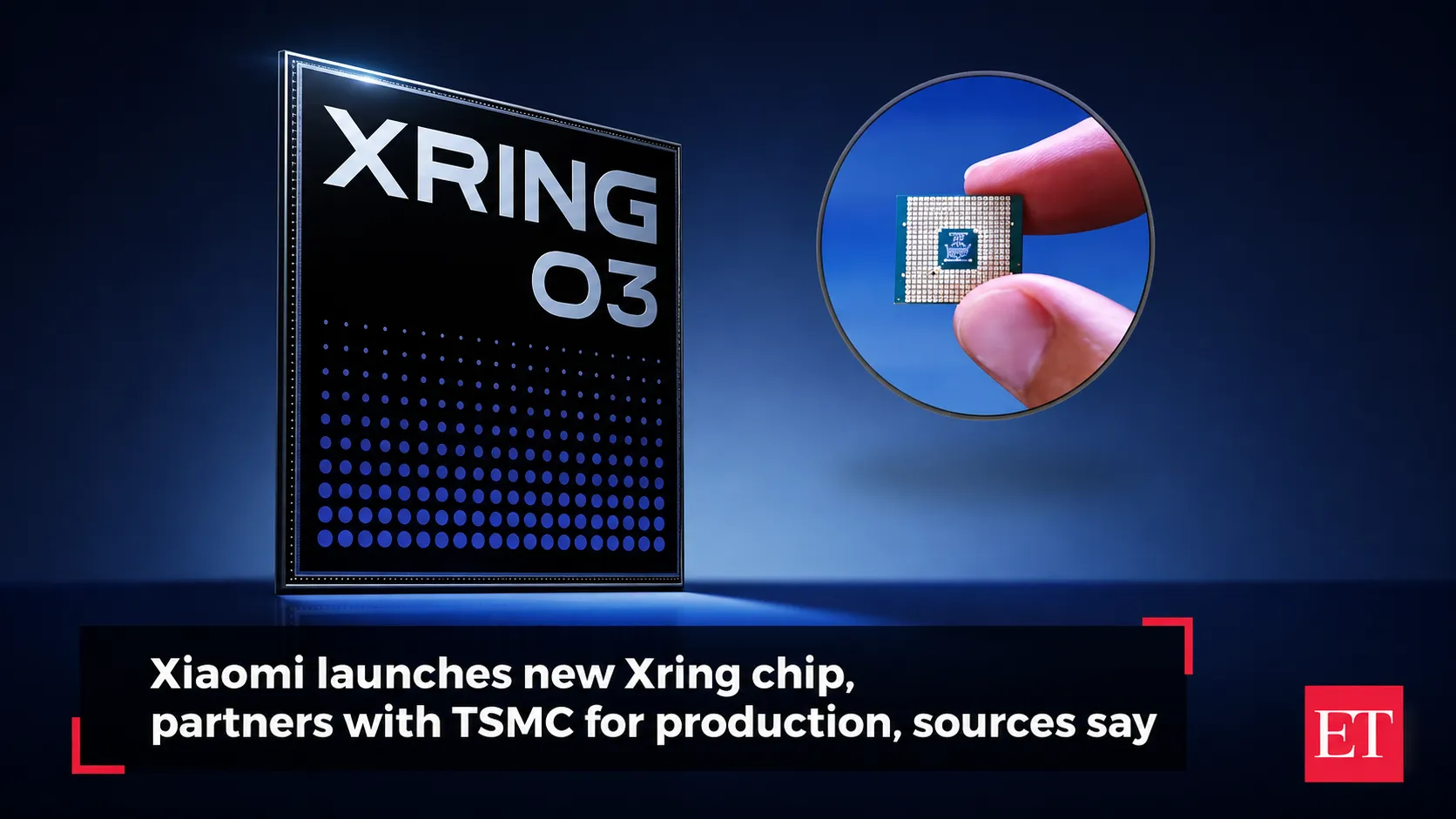
The announcement arrives against a backdrop of broader chip industry developments, including Taiwanese prosecutors bringing charges against individuals involved in illegal AI server shipments to China, and continued scrutiny of cross-border chip supply chains between the United States, Taiwan and China. Xiaomi's chip reveal, occurring in this environment, reflects the increasing strategic weight Chinese technology firms are placing on demonstrating domestic semiconductor design progress, even as questions remain about their access to the most advanced overseas fabrication facilities needed to actually manufacture such chips at scale.
The timing of high-profile domestic chip announcements alongside enforcement actions targeting illicit chip transfers has become a recurring pattern over the past two years, with Chinese technology companies frequently using such announcements to signal resilience and self-sufficiency narratives to both domestic audiences and international observers monitoring the effectiveness of existing export control regimes.
For Xiaomi, a homegrown chip announcement also carries commercial significance, potentially reducing the company's dependence on external chip suppliers for future devices while reinforcing its positioning as a technology company capable of vertical integration across hardware and semiconductor design. How quickly Xiaomi can move from chip design and showcase to mass production and deployment across its device line-up will be an important indicator of the broader trajectory of China's semiconductor self-reliance push.
Vertical integration of this kind -- spanning device design, software and now increasingly chip design -- has become an increasingly common strategic priority among the largest global consumer electronics companies, offering both potential cost advantages and greater control over product roadmaps, though it also requires sustained, multi-year capital investment that has historically been feasible only for the largest and best-capitalised technology firms.


