Funding7 MIN READ

Yulu Raises $93 Million Series C as Quick-Commerce Boom Fuels India's E-Bike Demand

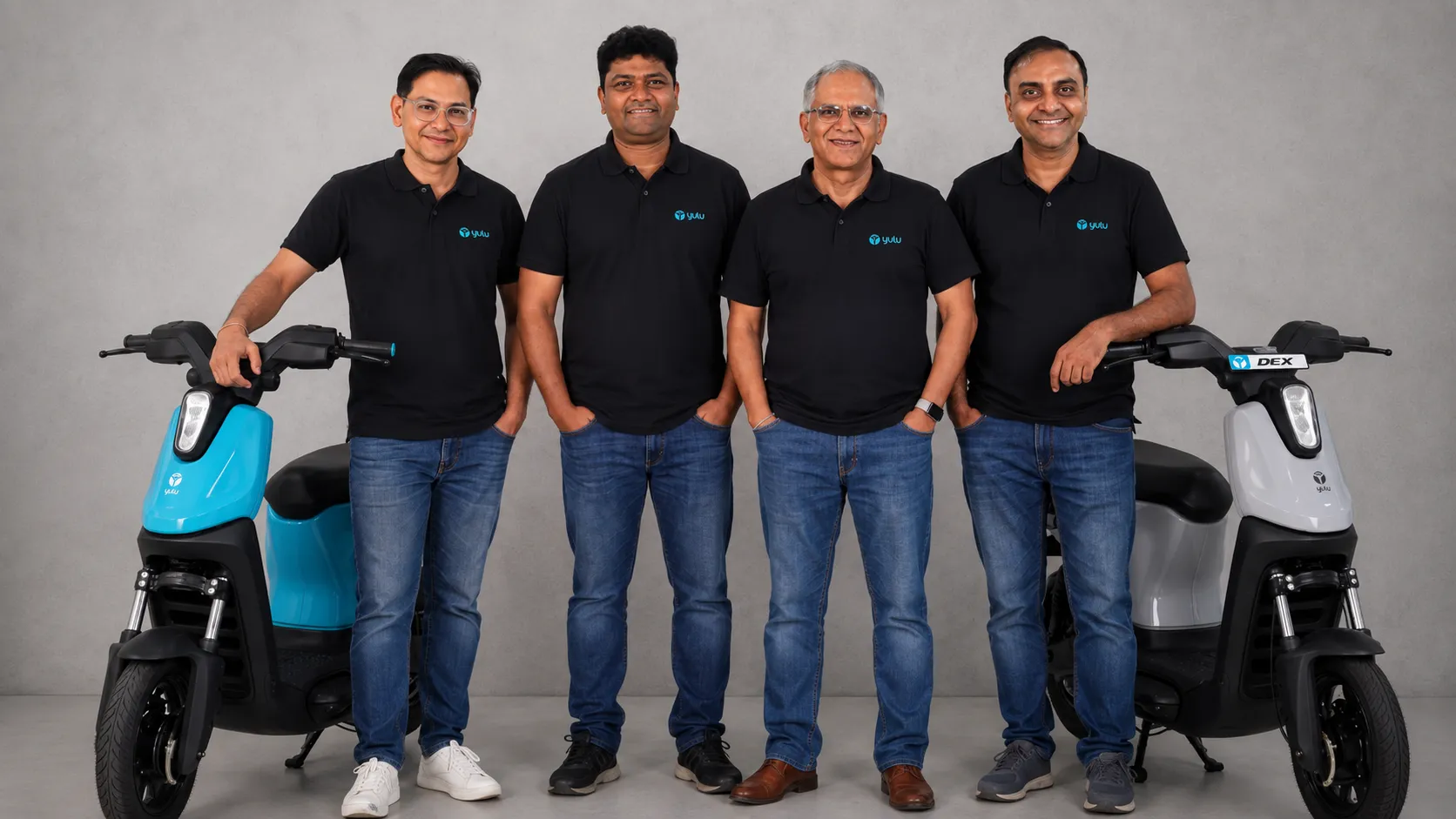
Electric mobility platform Yulu has raised $93 million in what it expects to be its final equity round before a public listing, aiming to quadruple its fleet to 200,000 EVs and cement its role in India's quick-commerce delivery economy.

By Shaym Kumar · Author13 August 2026New
Yulu Raises $93 Million Series C as Quick-Commerce Boom Fuels India's E-Bike Demand

As India's quick-commerce platforms race to deliver groceries and everyday essentials within minutes, the electric two-wheeler startup powering many of those last-mile deliveries has secured a fresh war chest of its own. Bengaluru-based Yulu has raised $93 million in a Series C round — a mix of $63 million in equity led by GEF Capital Partners and $30 million in debt — marking the largest capital raise in the company's history.

The company, which offers electric two-wheelers on weekly subscription plans that let delivery drivers start earning without owning a vehicle, currently operates a fleet of roughly 50,000 electric vehicles that together log around 1.6 million miles a week and power more than 750,000 deliveries a day. Yulu plans to use the new capital to nearly quadruple that fleet to 200,000 EVs over the next two years.

About $5.5 million of the equity component was used to buy out shares from seed investors whose funds were approaching the end of their investment life, co-founder and CEO Amit Gupta said, a structural detail that clears the company's capitalisation table ahead of a potential future listing. Notably, existing investors Bajaj Auto and Magna International did not participate in the round, waiving their pre-emptive rights to allow GEF Capital to acquire its target ownership stake — a deal that people familiar with the matter said valued Yulu at approximately $170 million post-money.

“Yulu was built on the conviction that hyper-local mobility requires purpose-built vehicles along with suitable infrastructure, deep technology integration, and uncompromising unit economics,” Gupta said. “Securing this Series C capital is a validation of our business model, a massive headroom for demand, our execution capability, and the platform maturity we have built.” Gupta added that he expects this to be Yulu's final equity fundraising before an eventual public listing, with future fleet expansion financed primarily through debt and lease structures rather than additional equity dilution.
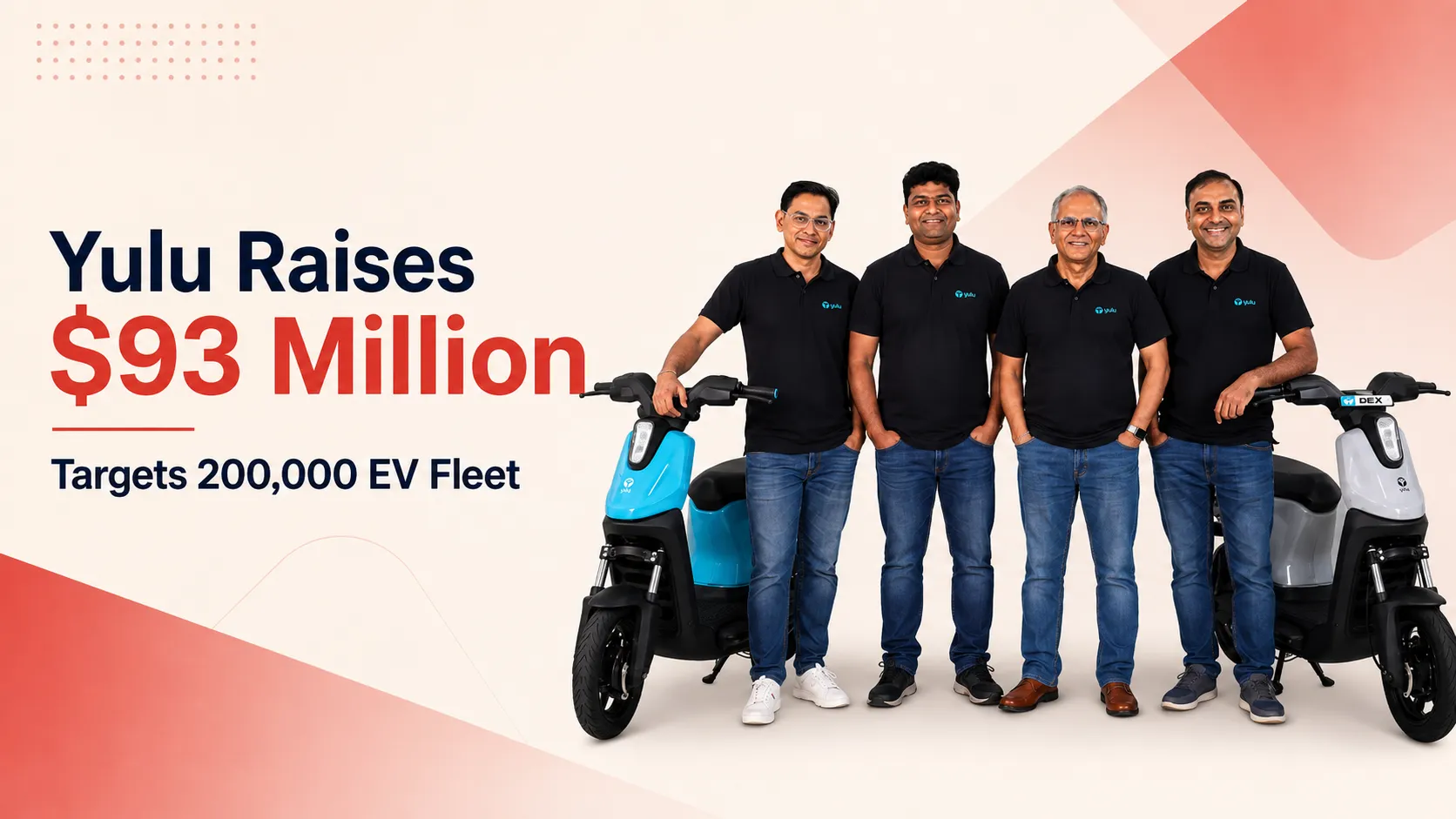

Yulu was built on the conviction that hyper-local mobility requires purpose-built vehicles along with suitable infrastructure.
Amit Gupta, Co-founder & CEO, Yulu
ChatGPT Image Aug 13, 2026, 11_31_29 AM.png

The fresh capital will fund more than fleet expansion. Yulu plans to enter adjacent intra-city mobility segments through Yulu Express, a full-sized, high-payload electric scooter built specifically for e-commerce logistics, bike taxis and express parcel delivery — with roughly a third of the planned 200,000-vehicle fleet expected to comprise the new model. The company operates across 12 primary metros, including Bengaluru, Mumbai, Delhi-NCR and Hyderabad, alongside eight franchise-operated regional markets, and claims its vehicles support more than 15% of quick-commerce deliveries across India's top four cities.

Financially, Yulu has moved from a company burning cash to one demonstrating unit-economics discipline: operating revenue nearly doubled to ₹237.4 crore in FY25 from ₹120 crore in FY24, while net losses declined 12% to ₹126 crore. The company has reported positive EBITDA since April 2025 and says revenue grew sevenfold between FY2023 and FY2026 — a trajectory that helps explain why GEF Capital was willing to lead a round explicitly positioned as a pre-IPO capital raise rather than another growth-stage venture round.

Beyond the balance sheet, Yulu frames its model in sustainability terms as well: the company estimates its operations avoid roughly 2 million kilograms of carbon dioxide emissions each month, positioning its fleet expansion as both a commercial and environmental bet. Alipt Sharma, Partner at GEF Capital, said Yulu has demonstrated that sustainable, purpose-built mobility infrastructure can scale profitably within India's hyperlocal delivery economy — a thesis the firm is now backing with one of the largest single cheques written into India's electric two-wheeler sector this year. With quick-commerce demand showing no signs of slowing and Yulu positioning itself as the backbone powering it, the company's next milestone — a public listing — now looks less like an aspiration and more like a stated roadmap.

TagsYuluElectric MobilitySeries CGEF CapitalQuick CommerceEVSustainability

Reader reviews

Sign in to rate and review this article.
Loading reviews…