AirTrunk Is Betting $30 Billion on India — And It Could Change the Future of AI Infrastructure Forever
Six weeks ago, AirTrunk didn't even operate in India. Now it's writing a $30 billion check. That's not a business decision — that's a statement.
Six weeks ago, AirTrunk didn't even operate in India. Now it's writing a $30 billion check. That's not a business decision — that's a statement.
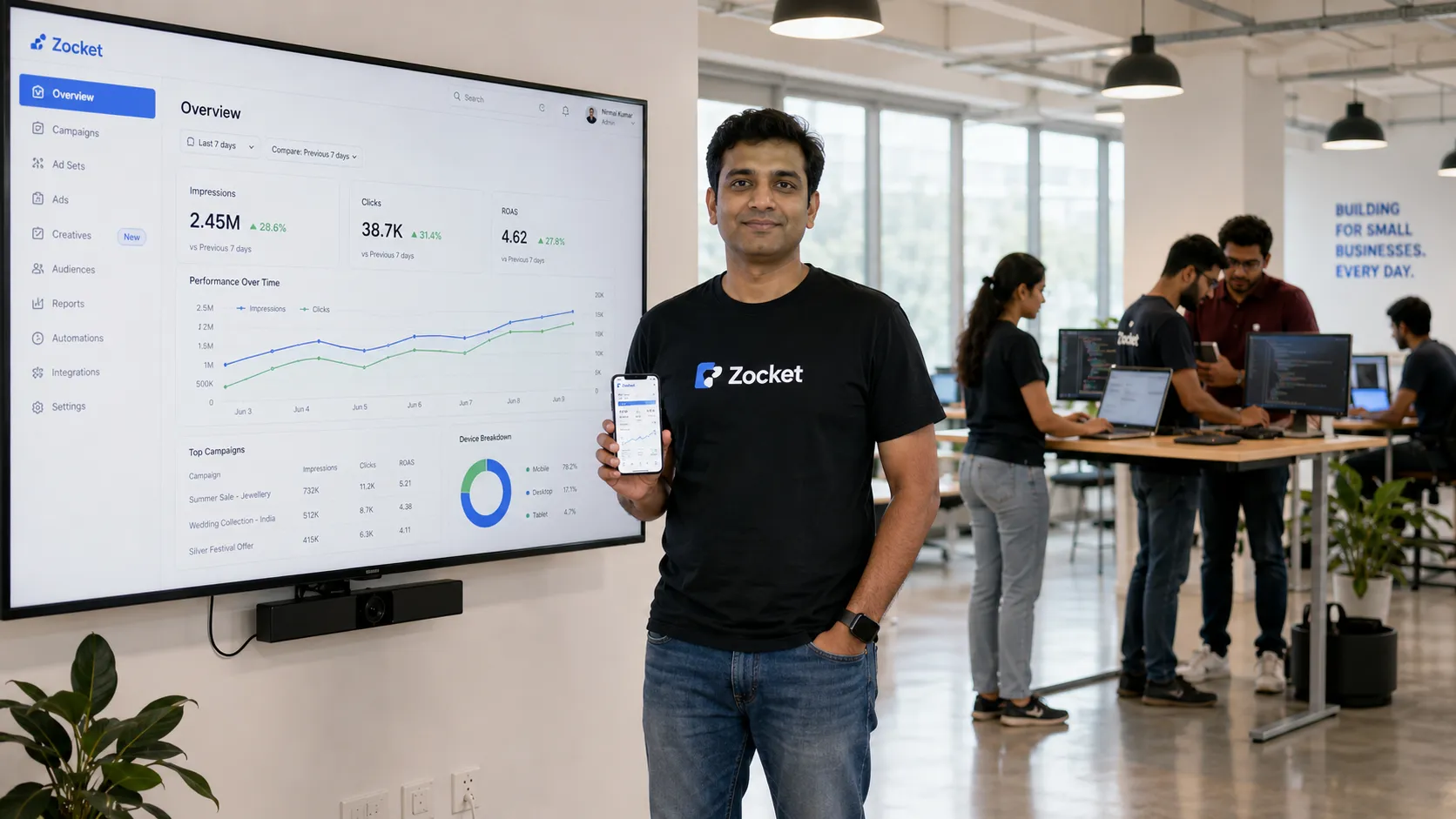
Excerpt: In a world where digital advertising is dominated by Google and Facebook, a Chennai‑born engineer spotted a gap: small and medium businesses (SMBs) want to run ads but lack the time, budget, or expertise to manage complex campaigns. Nirmal Kumar founded Zocket — an AI‑powered adtech platform that automates the creation, targeting, and optimisation of social media ads. From a small office in Chennai, Zocket has grown to serve over 10,000 businesses across India, raised $5 million in funding, and is now expanding into the Middle East. This research article traces Nirmal’s journey from a software engineer at Freshworks to a deep‑tech founder solving a real‑world problem for millions of SMBs. We analyze Zocket’s proprietary AI engine, its “self‑serve” model that lowers the barrier to entry, and its partnerships with major ad platforms. The piece also explores how Nirmal kept Zocket’s engineering and product teams in Tamil Nadu, building a global adtech company from Chennai — and why he believes the next wave of AI startups will come from Tier‑2 cities.

Excerpt: In the crowded landscape of Indian tech services, Prashanth Ranganathan chose a different path. Instead of competing on price, he built Payoda — a digital engineering and product development firm — on the promise of deep technical expertise, long‑term client partnerships, and a relentless focus on emerging technologies like AI, IoT, and cloud. From a small office in Chennai, Payoda grew into a global enterprise serving Fortune 500 clients, with delivery centres across the US and India. But Prashanth’s impact extends beyond his own company. As a founding member and active leader of Chennai Angels — one of India’s oldest and most successful angel networks — he has mentored and funded dozens of Tamil Nadu startups, channelling capital and expertise back into the local ecosystem. This research article traces his journey from a software engineer to a serial entrepreneur and ecosystem builder, analyzing his philosophy of “patient capital,” his bet on deep‑tech services over body‑shopping, and his role in transforming Chennai’s startup culture.

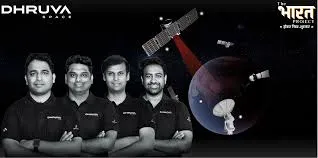
Excerpt: Long before the Indian government opened the space sector to private players, a young engineer from Chennai was already dreaming of building satellites. Sanjay Nekkanti, along with Chaitanya Dora Surapureddy, Abhay Egoor, and Krishna Teja Penamakuru, founded Dhruva Space in 2012 — at a time when the very idea of a private Indian space company seemed impossible. Over a decade later, the company has successfully launched multiple missions, secured a ₹450 crore order book, built one of India’s largest satellite manufacturing facilities, and is preparing to launch commercial payloads aboard SpaceX’s Falcon 9. This research article traces Dhruva Space’s journey from a Chennai apartment to a global space engineering leader, analyzing its vertically integrated “full-stack” model, its landmark Thybolt mission (India’s first private satellite), its ₹123 crore Series A funding, and its ambitious Polar Access programme. The piece also explores how these Tamil Nadu‑rooted founders persevered through 162 investor rejections to build the hardware powering India’s orbital future.

Excerpt: In an era where startup success is often measured in billion‑dollar valuations, Abhishek Goyal and Neha Singh took a different path. As former venture capitalists at Accel and Sequoia, they saw firsthand how the private markets lacked a reliable, searchable database of startups, investors, and funding rounds. So they built it themselves — from their home in Chennai. Their startup, Tracxn, began as a bootstrapped venture, grew with backing from Ratan Tata, and went public in 2022 at a valuation of over ₹100 crore. This research article traces Tracxn’s journey from a small Chennai apartment to a leading global market intelligence platform serving clients across 50+ countries. We analyze its unique “Bloomberg for private markets” business model, its asset‑light SaaS approach, and its post‑IPO transition to profitability. The piece also explores how this Tamil Nadu‑rooted couple balanced family, fundraising, and a pandemic‑era IPO — and why they remain committed to Chennai as their operational base.

It's the news no Indian household wanted to wake up to on a Sunday morning. Your cooking gas just got more expensive — again.

Excerpt: In a country where credit card penetration hovers below 5%, two former Wall Street professionals — Nitya Sharma and Chaitra Chidanand — returned to India to build a fintech platform inspired by the neighbourhood khata (ledger). Their startup, Simpl, began with a small office in Chennai and grew into one of India’s largest buy‑now-pay‑later (BNPL) platforms, partnering with over 26,000 merchants and serving more than 8 million users. This research article traces Simpl’s journey from a Chennai‑based idea to a $83 million funded venture, analyzing its “trust score” technology that replaced traditional credit checks, its one‑tap checkout innovation, and the regulatory challenges it faced during the 2025 RBI crackdown. The piece also explores how the founders kept their engineering and operations anchored in Tamil Nadu, building a fintech success story from Chennai while competing with Bengaluru‑based rivals.

Excerpt: In an era of venture capital frenzy and unicorn worship, Zoho Corporation stands as a quiet anomaly — a bootstrapped, profitable, $1 billion+ revenue SaaS company with over 75 million users worldwide, all built from a tiny village in Tamil Nadu. At its helm are siblings Sridhar Vembu (CEO) and Radha Vembu (product lead & largest shareholder), who together have defied every convention of the tech industry. This research article traces Zoho’s journey from a Chennai‑based network management services firm (AdventNet) to a global enterprise software giant competing with Salesforce and Microsoft. We analyze the “Zoho Way” — bootstrapping, rural development, product‑led growth, and a 48% ownership stake for Radha that makes her India’s richest self‑made woman. The piece also explores how the Vembus are transforming rural Tamil Nadu through Zoho’s village campuses and Zoho Schools of Learning, creating a replicable model for decentralized tech employment. Finally, we examine the unique sibling dynamic that has kept the company focused on long‑term value creation over short‑term hype.

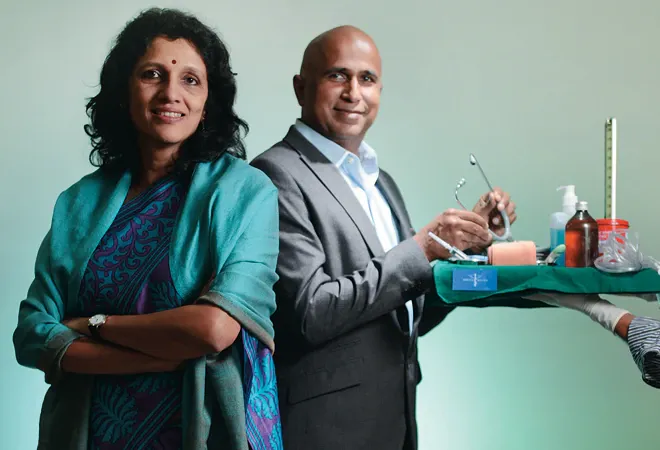
Excerpt: While telemedicine and healthtech apps grab headlines, the real revolution in Indian healthcare is happening inside patients’ homes — and a Chennai‑based startup, Portea Medical, is leading it. Co‑founded by serial entrepreneur K. Ganesh (known for TutorVista, BigBasket) and Dr. Srinivasan (a physician with a public health background), Portea provides in‑home doctor visits, nursing, physiotherapy, and chronic disease management across 40+ Indian cities. This research article traces the journey from a small pilot in Chennai to a company serving over 1 million patients annually, backed by investors like Accel, Temasek, and Sabre Partners. We analyze Portea’s technology‑enabled care model, its expansion into medical equipment rentals and tele‑ICU, and its critical role during the COVID‑19 pandemic. The piece also explores how Ganesh (a Tamil Nadu native) and Srinivasan (a Chennai‑based physician) combined business discipline with clinical rigour to build a trusted healthcare brand — without burning through venture capital.

Excerpt: While most electric vehicle (EV) startups chase the glamour of making scooters and cars, two Tamil Nadu engineers — Manoj Kumar and Naveen — identified a more foundational problem: the battery. Their startup, Neuron Energy, designs and manufactures lithium‑ion battery packs for electric two‑wheelers, three‑wheelers, and commercial fleets, filling a critical gap in India’s EV supply chain. This research article traces their journey from a small Chennai garage to a ₹200 crore business serving brands like Kinetic Green, Omega Seiki Mobility, and over 10,000 fleet operators. We analyze Neuron’s proprietary battery management system (BMS), its “battery‑as‑a‑service” (BaaS) model for last‑mile delivery fleets, and its expansion into battery swapping stations across Tamil Nadu. The piece also explores how these first‑generation entrepreneurs built a deep‑tech manufacturing business without any family background in engineering or business — and why Chennai is emerging as a hub for EV component innovation.