FundingMay 21, 2026
Student Founders Are Entering India’s Funding Story Earlier Than Ever Before
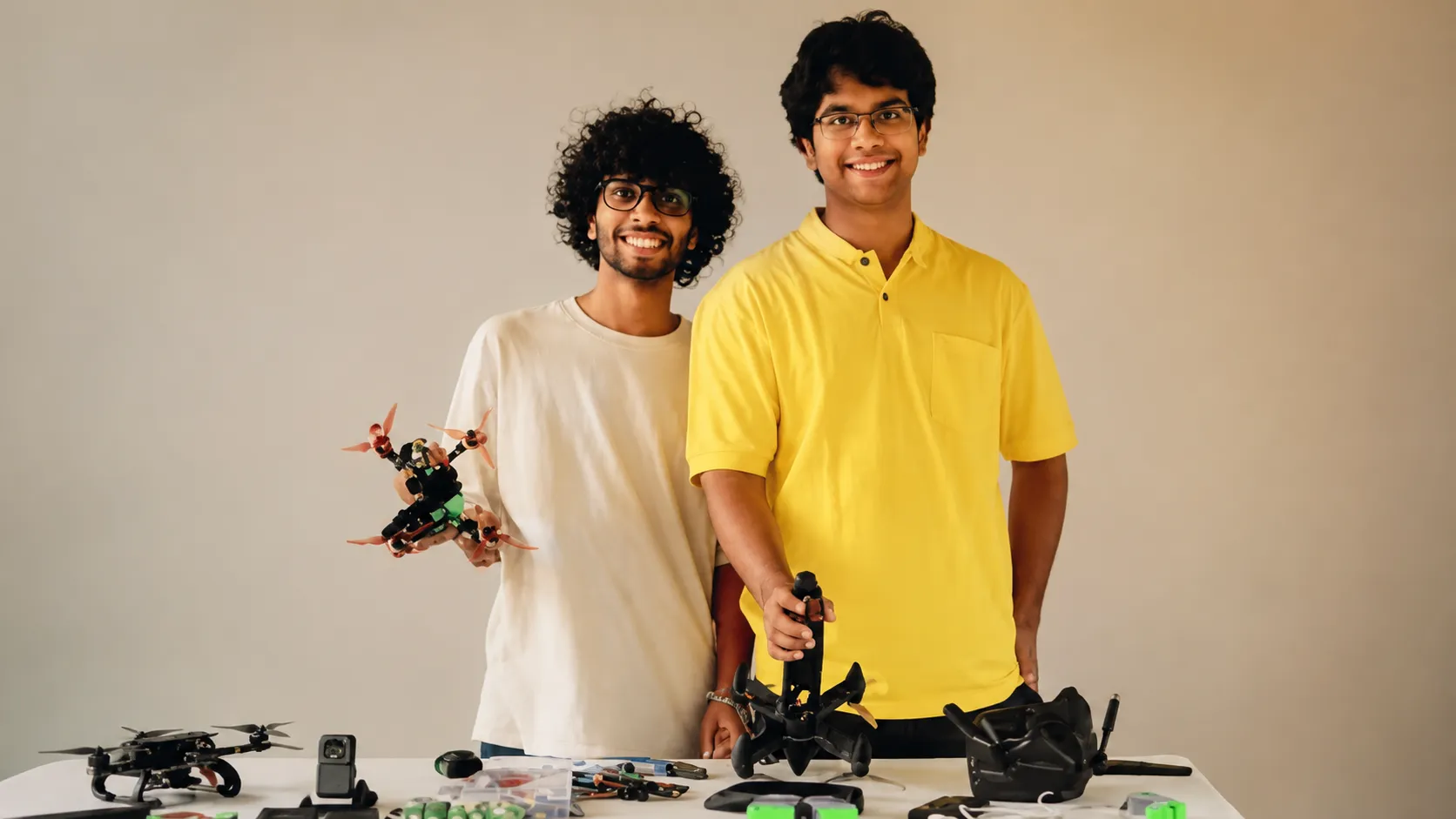
Apollyon Dynamics’ early funding round increasingly reflects a broader shift as student founders enter India’s startup ecosystem earlier than before.
Apollyon Dynamics’ early funding round increasingly reflects a broader shift as student founders enter India’s startup ecosystem earlier than before.

Scapia’s latest funding round increasingly signals renewed investor confidence around travel-fintech models built around experiences and consumer behavior.
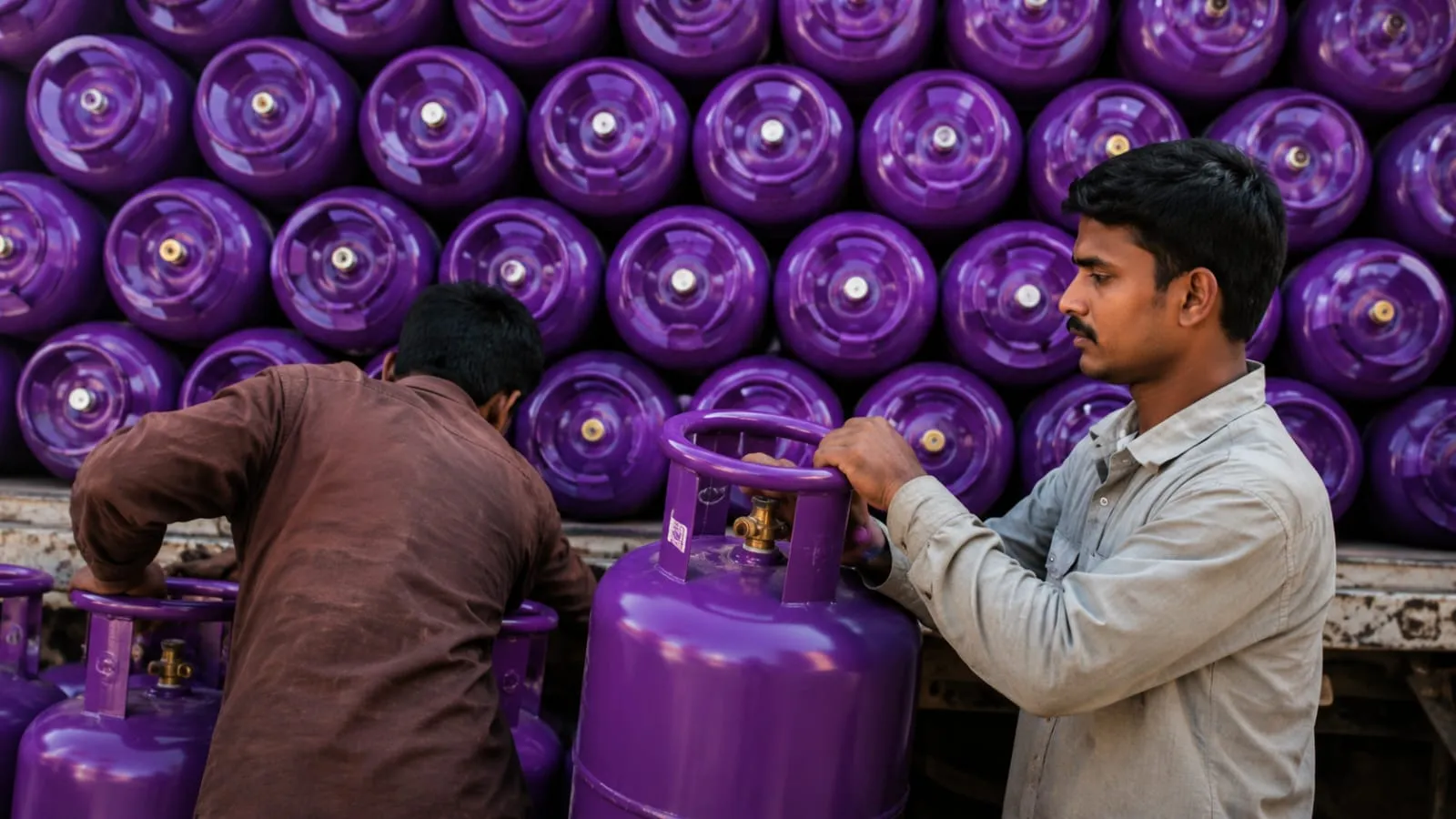
A cow-dung-based fuel innovation from Uttarakhand is opening broader conversations around affordability, sustainability and local problem-solving.
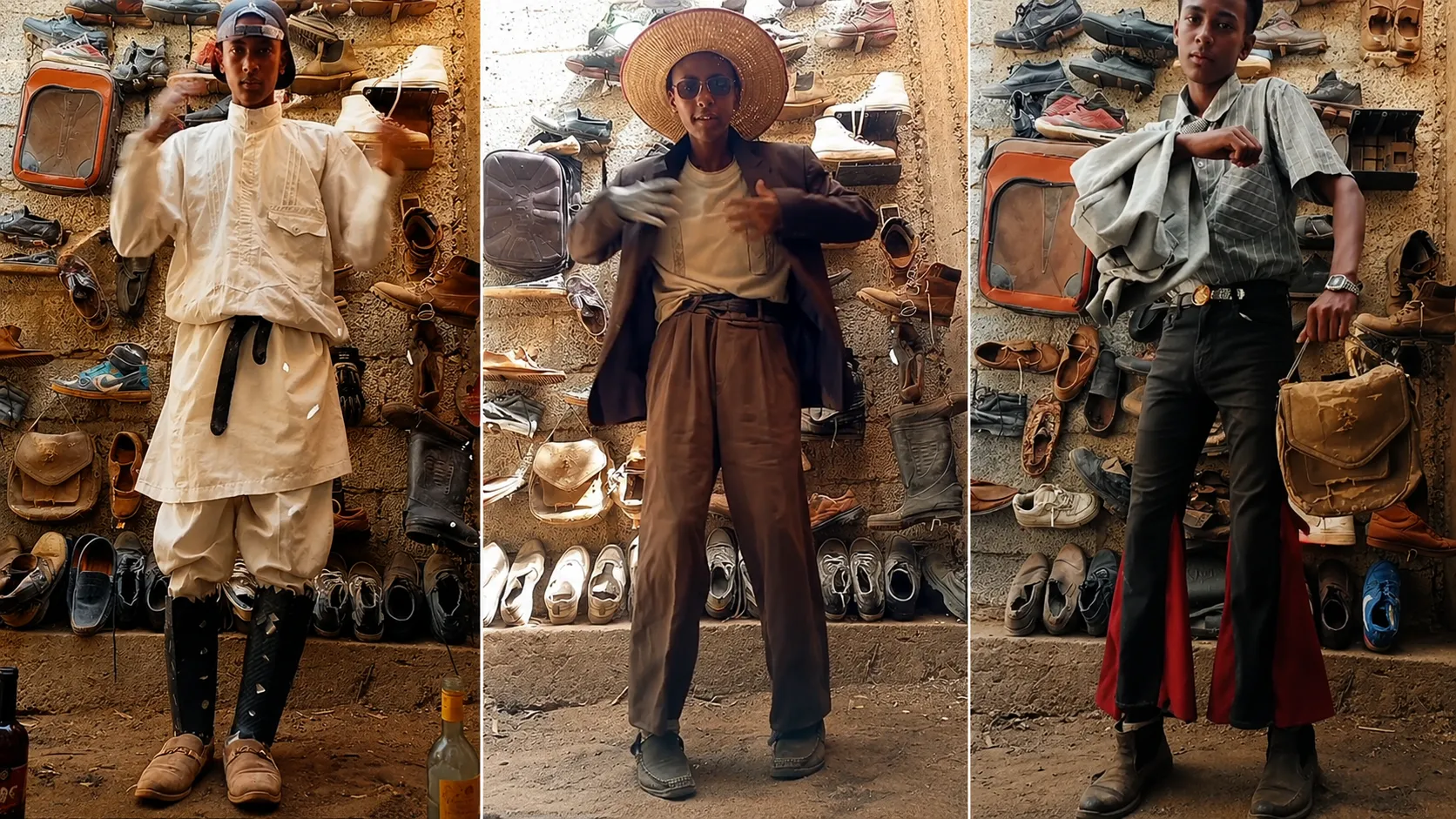
A young Ethiopian creator’s viral fashion journey is opening broader conversations around youth opportunity, sustainability and creativity emerging beyond traditional systems.

On a quiet suburban street in central Nebraska, Sarah Kleiner walks out of her front door at 10 p.m. and looks at her garden. There, among the petunias, something impossible is happening. The flowers are glowing. Not metaphorically, not in the way that poets describe flowers under moonlight, but literally, physically, emitting a soft green-white light from their petals and stems, visible to the naked eye, requiring no electricity, no UV lamp, no special conditions. Just a plant, doing what no plant on Earth has ever done in four billion years of evolution.
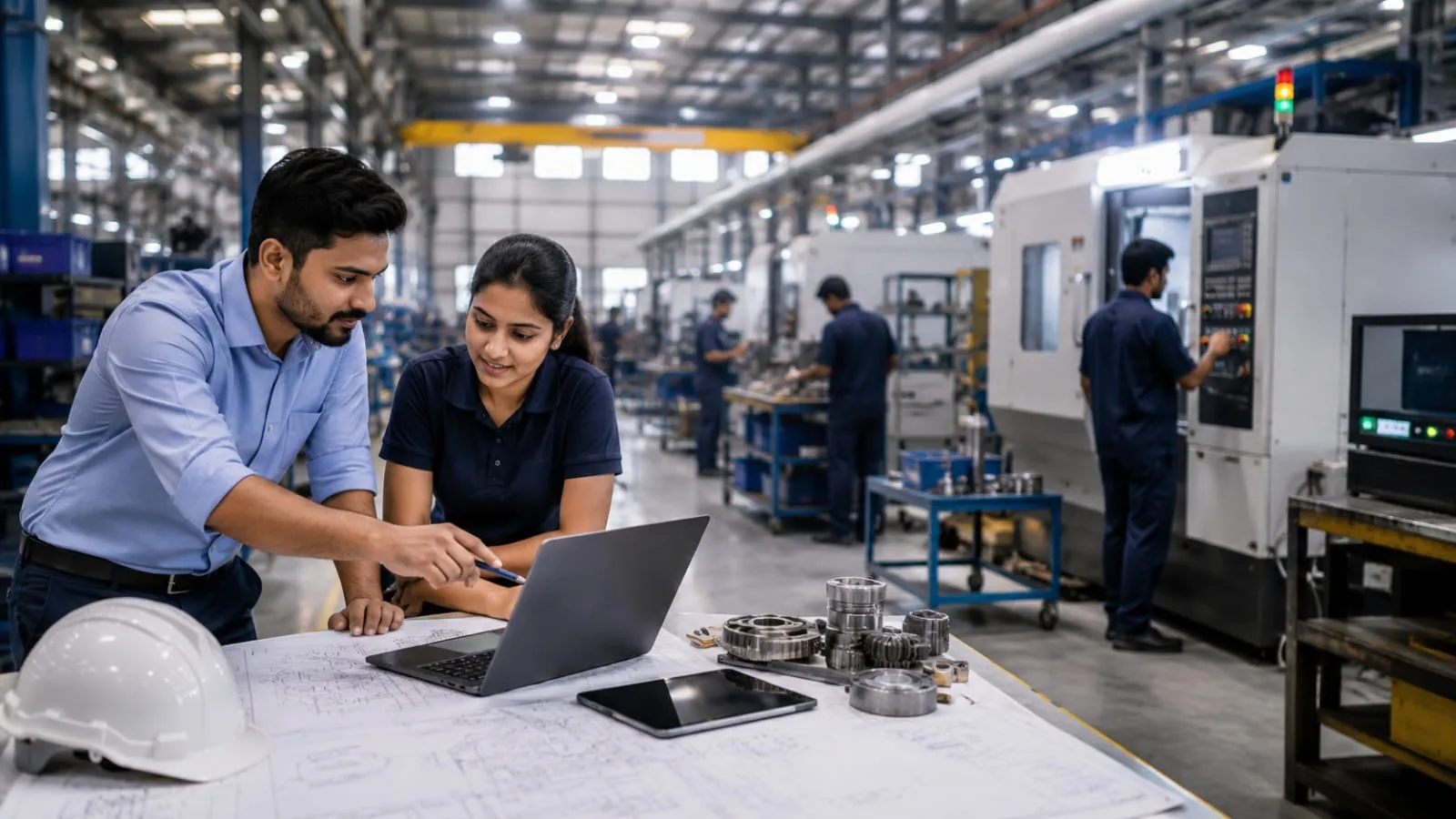
Bidso’s ₹63 crore raise increasingly reflects a broader shift as manufacturing startups attract stronger investor attention amid changing supply-chain realities.

Pee Safe’s latest funding round increasingly reflects a larger shift as women’s wellness brands evolve into one of India’s fastest-growing consumer categories.
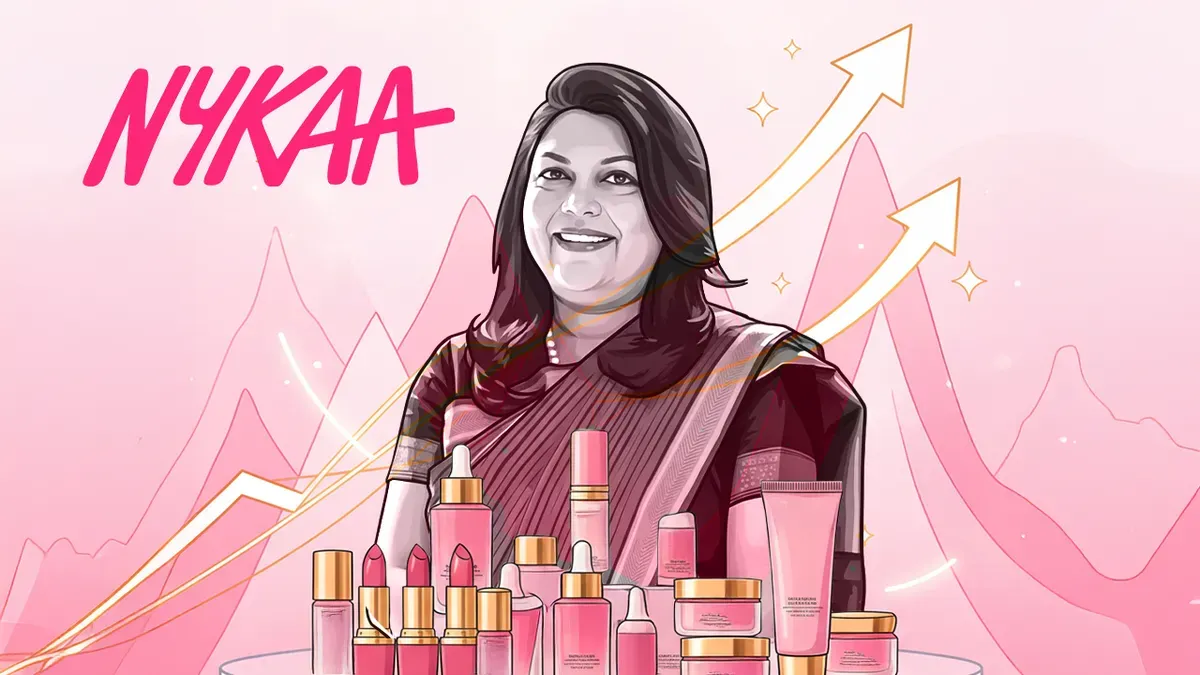
In 2012, Falguni Nayar did something that made no sense to anyone who knew her. She was 50 years old, the managing director of Kotak Mahindra Capital, one of India's most respected investment banks. She had spent nearly two decades advising companies on mergers, acquisitions, and public offerings. She had a corner office, a steady salary, and the kind of professional reputation that takes a career to build. She was, by any conventional measure, at the peak.

Kavin Bharti Mittal was born into one of India's great industrial families. His father, Sunil Mittal, founded Bharti Airtel, the telecommunications giant that connects over 500 million people across South Asia and Africa. He grew up in the rarefied world of legacy and expectation, where children of business dynasties are expected to join the family firm, learn the ropes, and eventually take over. The path was laid out for him. It was smooth, prestigious, and utterly predictable.
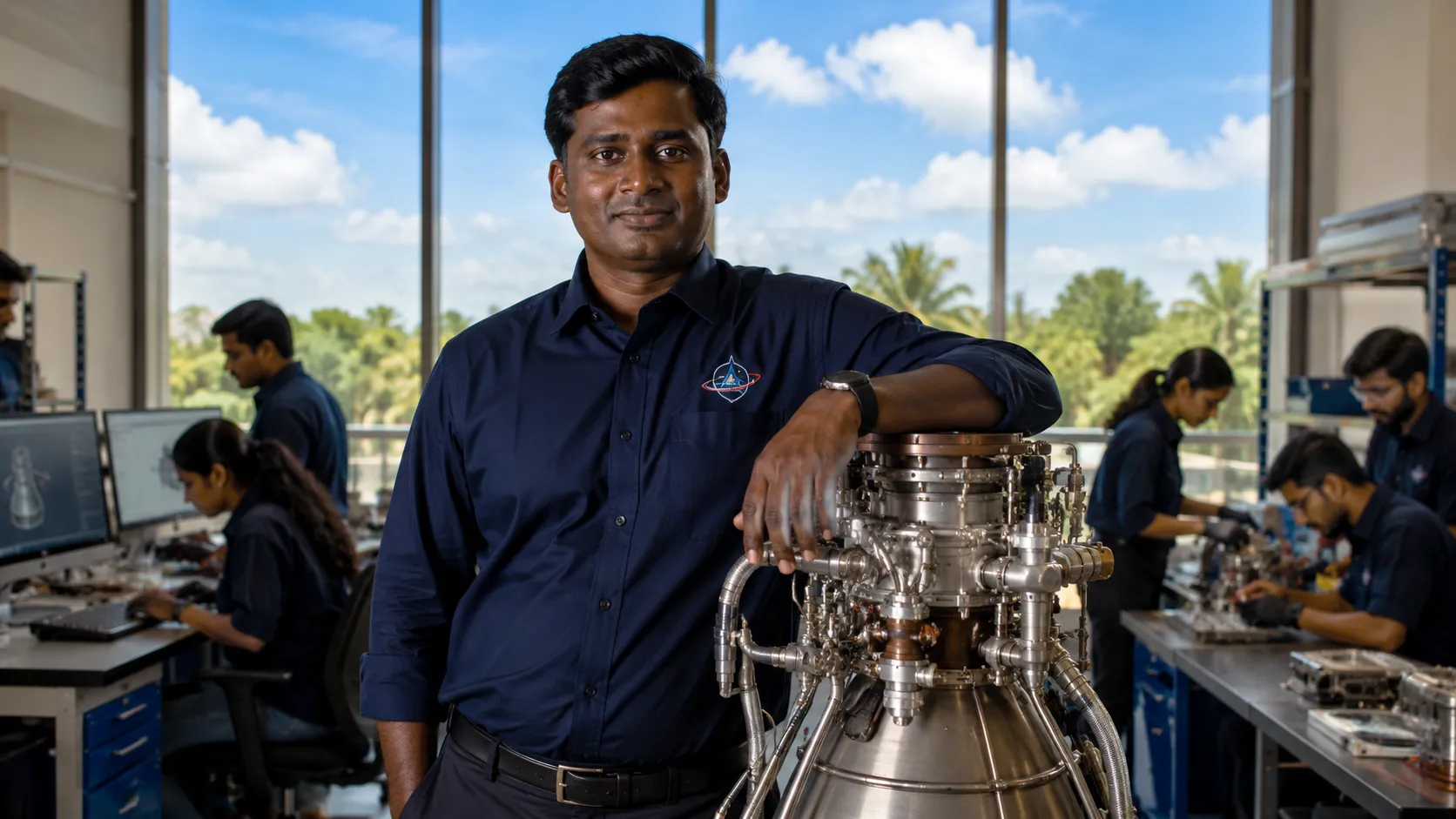
Anand Megalingam was six years old when he walked barefoot to school for the first time. The school was six kilometers from his home, a modest hut in a small village in Tamil Nadu's interior. His father drove a tractor for a living, earning just enough to feed the family and keep the children in school. The family had no connections, no wealth, and no reason to believe that any of its members would ever leave the village, let alone build rockets.