Results (2453 found)

The $1.64 Billion Company That Doesn't Make AI Chips—It Cools Them
StartupsMay 16, 2026

The $1.64 Billion Company That Doesn't Make AI Chips—It Cools Them

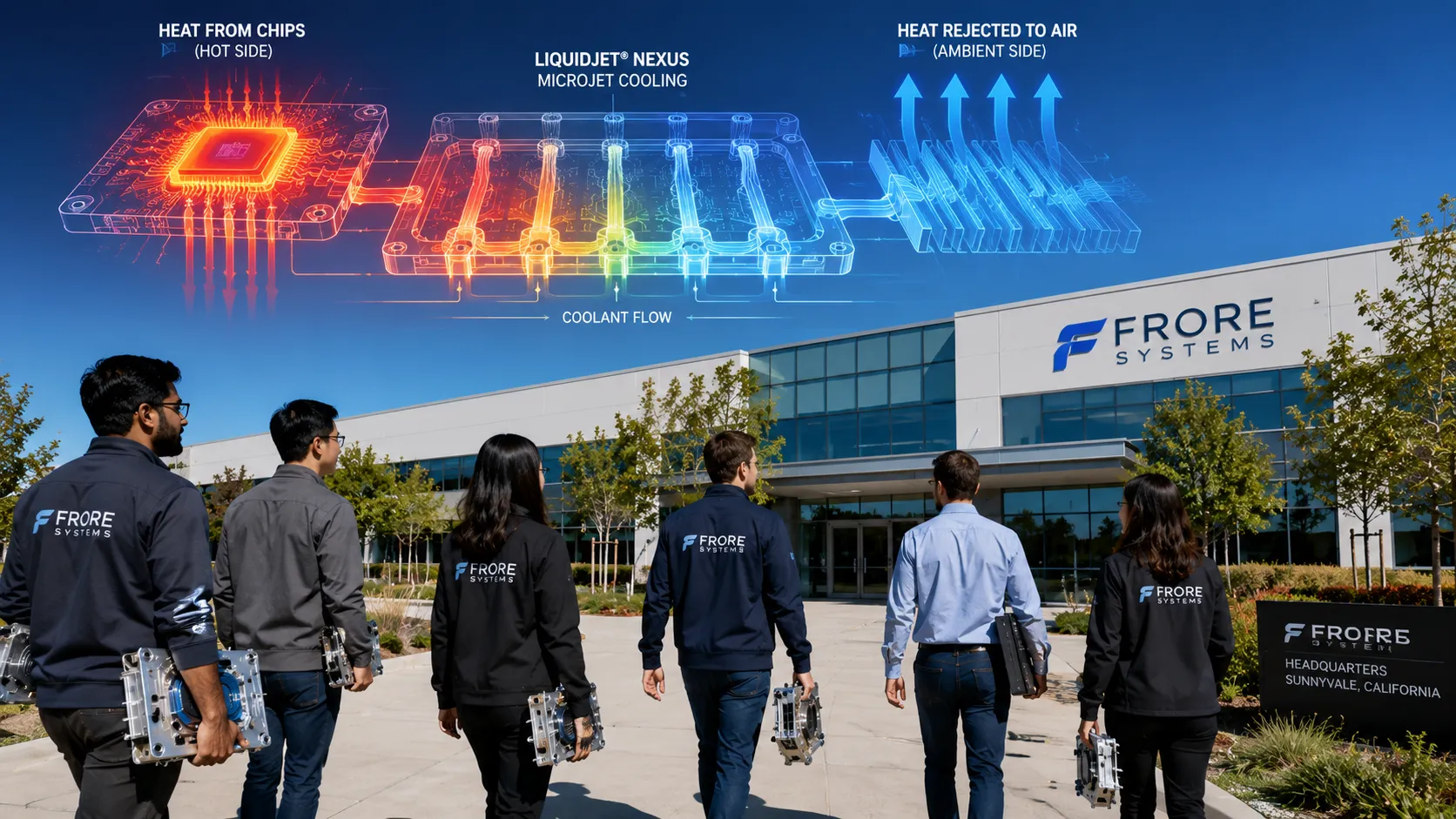
The chip is the hero. The cooling system is the janitor. That is the hierarchy that has governed computing since the first vacuum tubes glowed hot in a Pennsylvania basement. Nvidia designs the GPUs that power the AI revolution and gets a $3 trillion market cap. Intel and AMD design the CPUs that run the cloud and get headlines. The companies that cool those chips—the fan makers, the heatsink manufacturers—get commodity margins and zero glory. The chip is the brain. The cooling is the plumbing.


TechMay 16, 2026

The Metal That Could Not Be Explained: How a Hong Kong Lab Built a Super Steel to Unlock the Hydrogen Economy

For more than a century, stainless steel has protected itself the same way. Chromium inside the alloy reacts with oxygen to form an invisible, corrosion-resistant film—a passive shield no thicker than a few atoms, yet strong enough to guard bridges, ships, and surgical tools from the relentless assault of rust. It is one of the quiet miracles of materials science, a trick of chemistry so reliable that humanity has come to take it entirely for granted.

The 138-Vulnerability Wake-Up Call: How a Single Patch Tuesday Exposed the AI Security Arms Race
TechMay 16, 2026

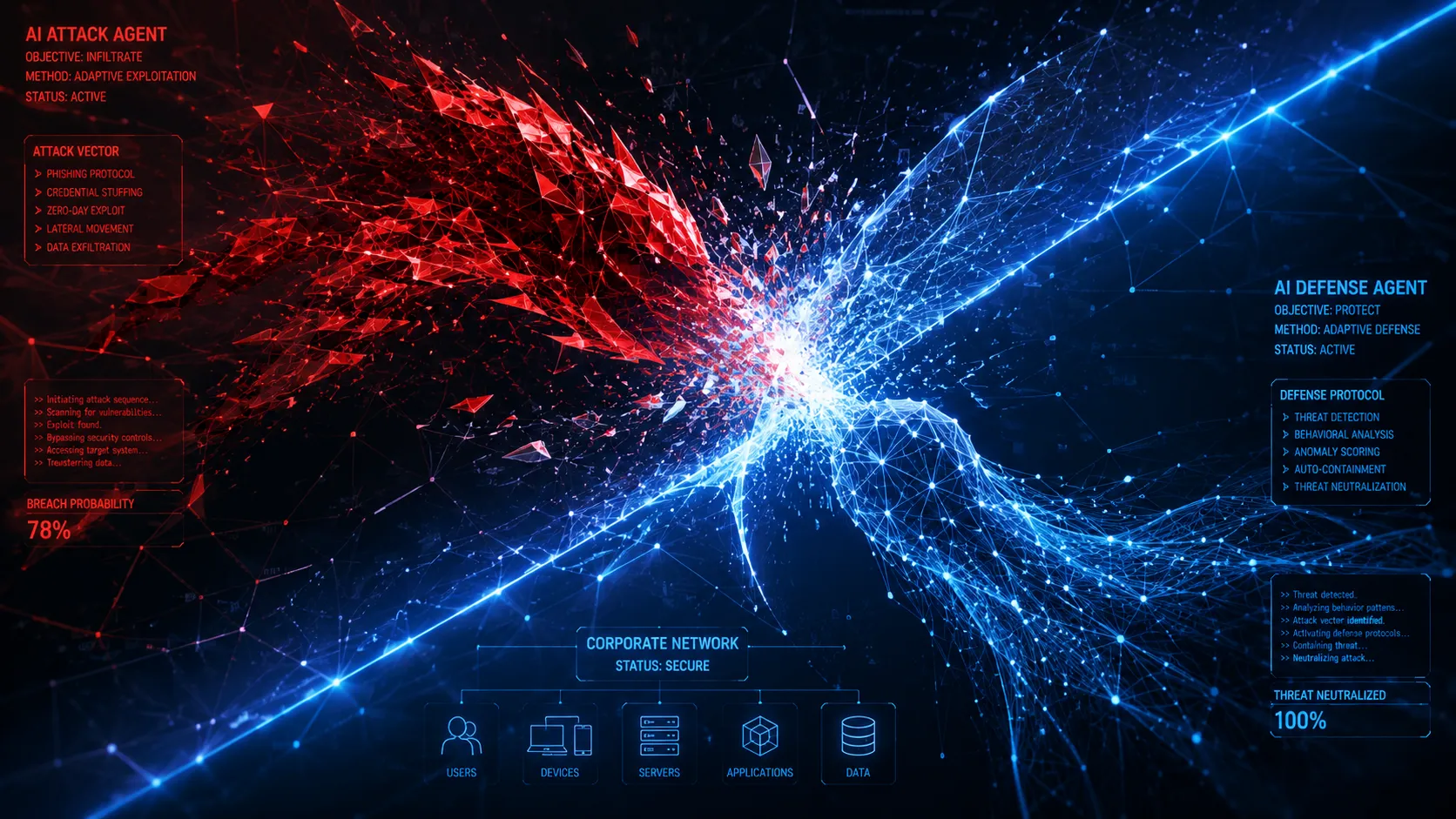
The 138-Vulnerability Wake-Up Call: How a Single Patch Tuesday Exposed the AI Security Arms Race

On the second Tuesday of May, at precisely 10:00 a.m. Pacific Time, Microsoft released its monthly security update. The cadence was familiar. The scale was not. One hundred and thirty-eight vulnerabilities. Two zero-days actively exploited in the wild before patches were available. The affected systems spanned the entire Microsoft ecosystem: Windows, Office, Edge, Azure, .NET, Visual Studio. The release was not the largest in the company's history, but it was the most symbolically charged. Because buried in the technical details of CVE-2026-1142 and CVE-2026-1143—the two zero-days—was evidence of something new. The attacks had been generated, at least in part, by AI.

TechMay 16, 2026

The Great AI Paradox of 2026: Private Startups Are Worth 20x Revenue, Hyperscalers Are Spending $725 Billion, and Every Gadget Is Turning Into a Chatbot

Somewhere between a Googlebook launch event on Tuesday, an Amazon Alexa announcement on Wednesday, and a Microsoft Edge overhaul on Thursday, the technology industry crossed an invisible threshold. It happened quietly, buried in product blogs and earnings calls, but its implications will reverberate for the rest of the decade. AI is no longer something you use. It is something you inhabit. And the price the world is paying—in venture capital, in cloud infrastructure, and in the wholesale redesign of everyday digital life—is unlike anything the technology industry has ever seen.

India Plans Centralized Digital Infrastructure for Rural Banks Amid AI Risks
ImpactMay 16, 2026

India Plans Centralized Digital Infrastructure for Rural Banks Amid AI Risks

India’s proposed centralized digital infrastructure for rural banks signals a shift in how financial systems are evolving. As artificial intelligence becomes more embedded across banking, resilience, cybersecurity, and long-term infrastructure readiness are emerging as critical priorities.

India’s AI Skill Gap May Become Its Biggest Economic Challenge
ImpactMay 16, 2026

India’s AI Skill Gap May Become Its Biggest Economic Challenge

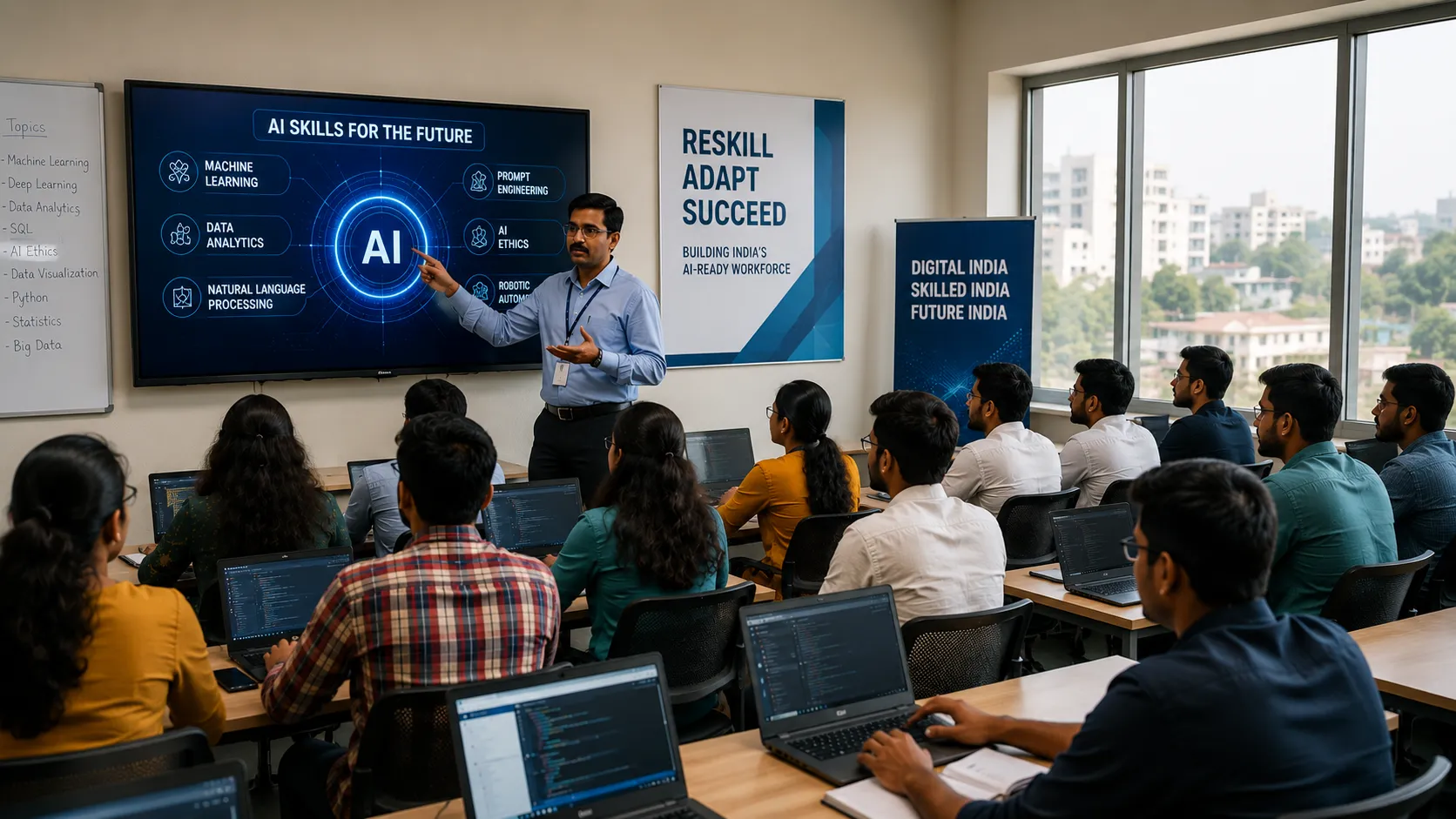
India’s AI ambitions are accelerating rapidly, but the country’s biggest challenge may not be technology itself — it may be preparing enough people for an AI-driven future. As adoption expands across industries, workforce readiness is emerging as a critical economic question.

Orbit or Bust: How Skyroot Aerospace Became India’s First Rocket Unicorn and Rewrote the Rules of Deep-Tech Entrepreneurship
StartupsMay 16, 2026

Orbit or Bust: How Skyroot Aerospace Became India’s First Rocket Unicorn and Rewrote the Rules of Deep-Tech Entrepreneurship

In a clean room no larger than a high school basketball court, a hand-painted sign hangs above a workstation cluttered with avionics boards and 3D-printed engine components. It reads: Orbit or Bust. The engineers beneath it—many in their twenties, many trained at ISRO, India’s storied government space agency—are assembling the guidance system for Vikram-1, the country’s first privately developed orbital rocket. The sign is not a motivational poster. It is a statement of intent, scrawled in black paint on a whiteboard by a team that had no money, no precedent, and no reason to believe they would succeed except that they refused to believe anything else

The Bootstrap Paradox: How Kuse.ai Hit $10M ARR by Refusing Venture Capital and Letting the Product Speak
StartupsMay 16, 2026

The Bootstrap Paradox: How Kuse.ai Hit $10M ARR by Refusing Venture Capital and Letting the Product Speak

In the summer of 2025, a quiet signal emerged from the noise of Silicon Valley. A tiny AI startup, unknown to the conference circuit and absent from the fundraising databases, announced that it had reached $10 million in annual recurring revenue in roughly three months. It had not raised a seed round. It had not taken a dollar of venture capital. It had not spent a cent on paid marketing. Its growth was entirely organic, entirely bootstrapped, and entirely at odds with the dominant narrative of how AI companies are supposed to be built.

Load More Results