WomenMay 27, 2026
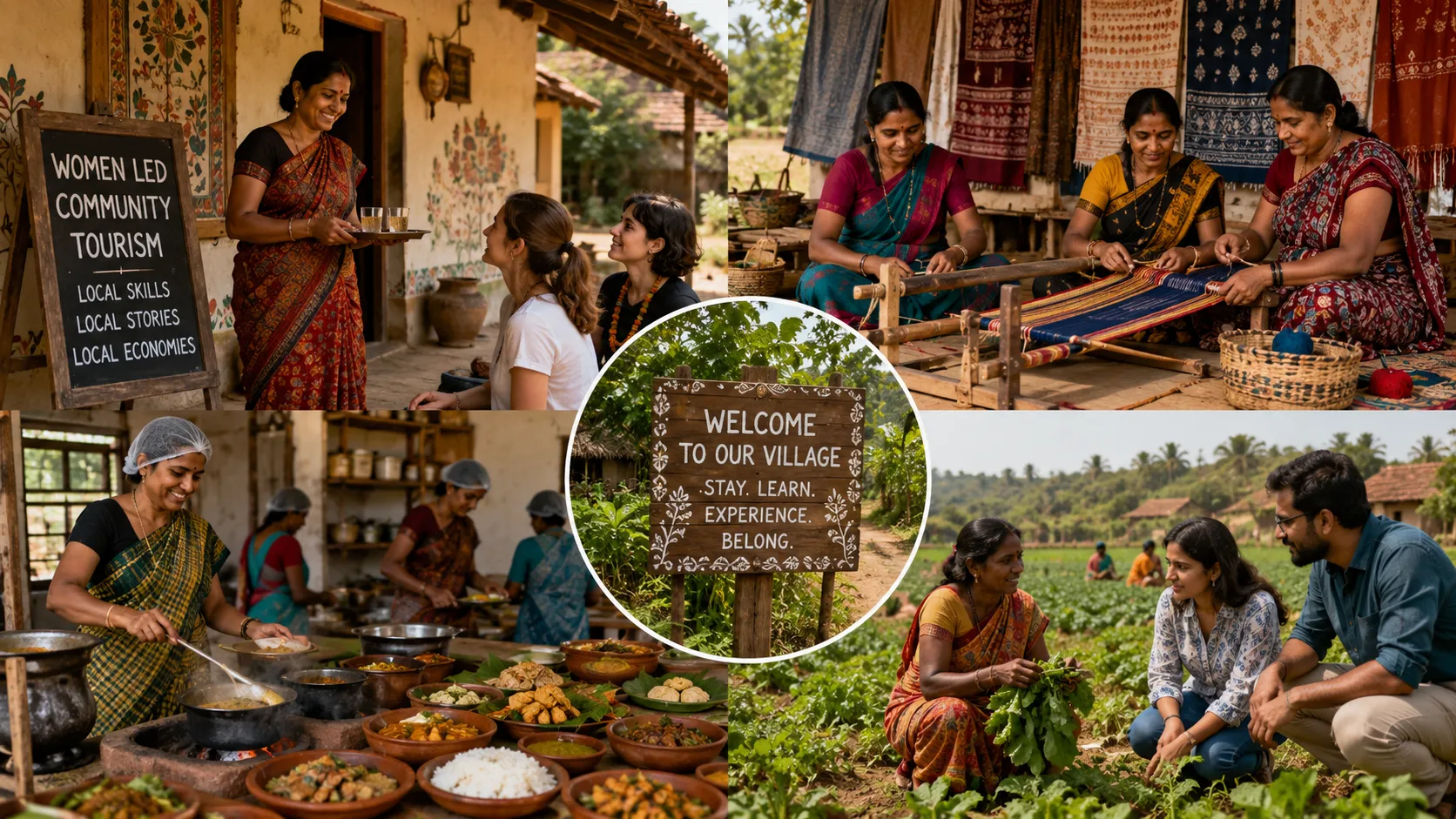
How Women-Led Community Tourism Is Quietly Rewriting Rural Economies Across India
Women-led community tourism initiatives are turning local skills into businesses and creating new pathways for income, leadership and rural growth.
Women-led community tourism initiatives are turning local skills into businesses and creating new pathways for income, leadership and rural growth.
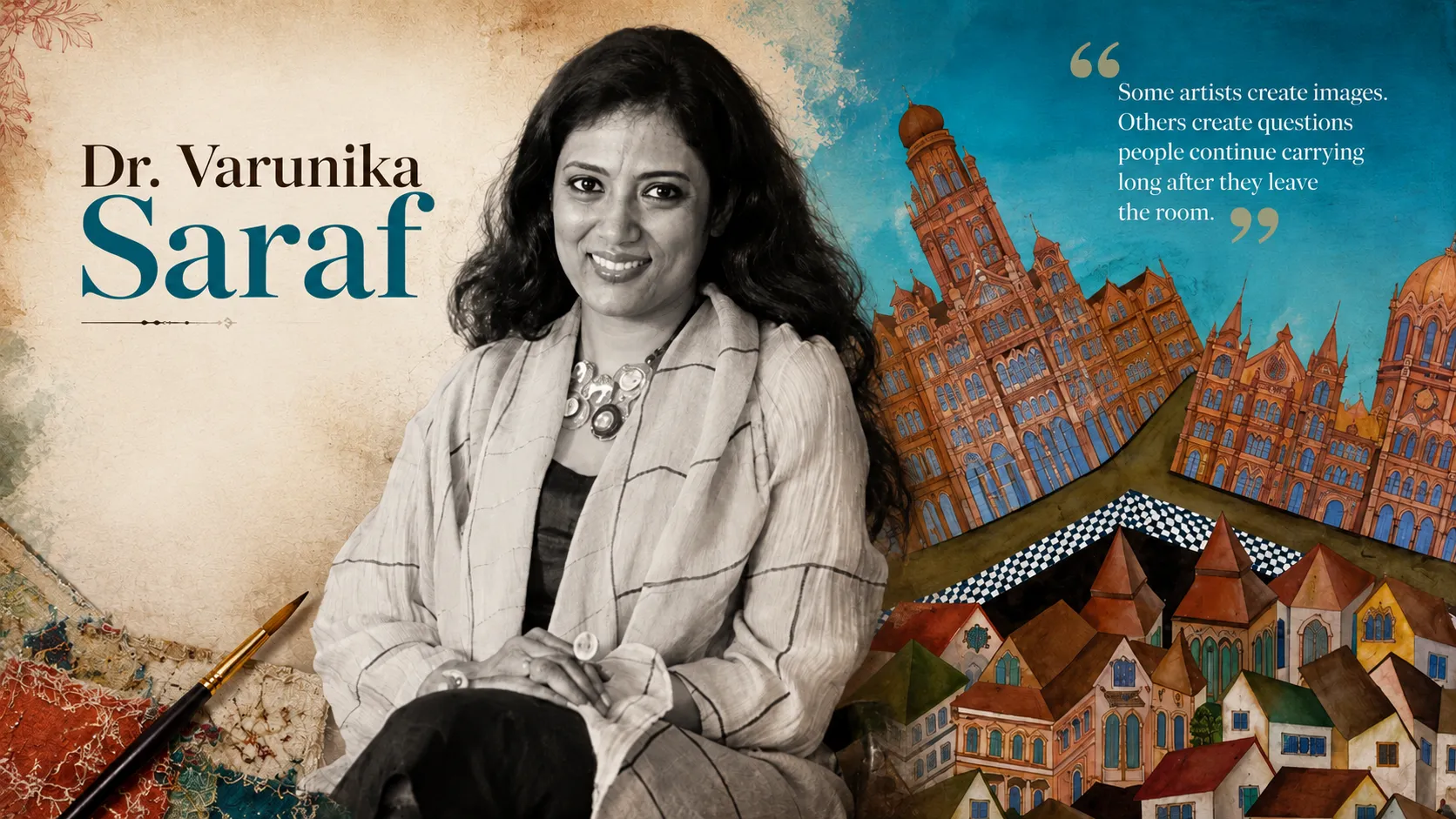
Through Wasli paintings, watercolours and textile works, Dr. Varunika Saraf is using art to challenge memory, power and difficult histories across South Asia.
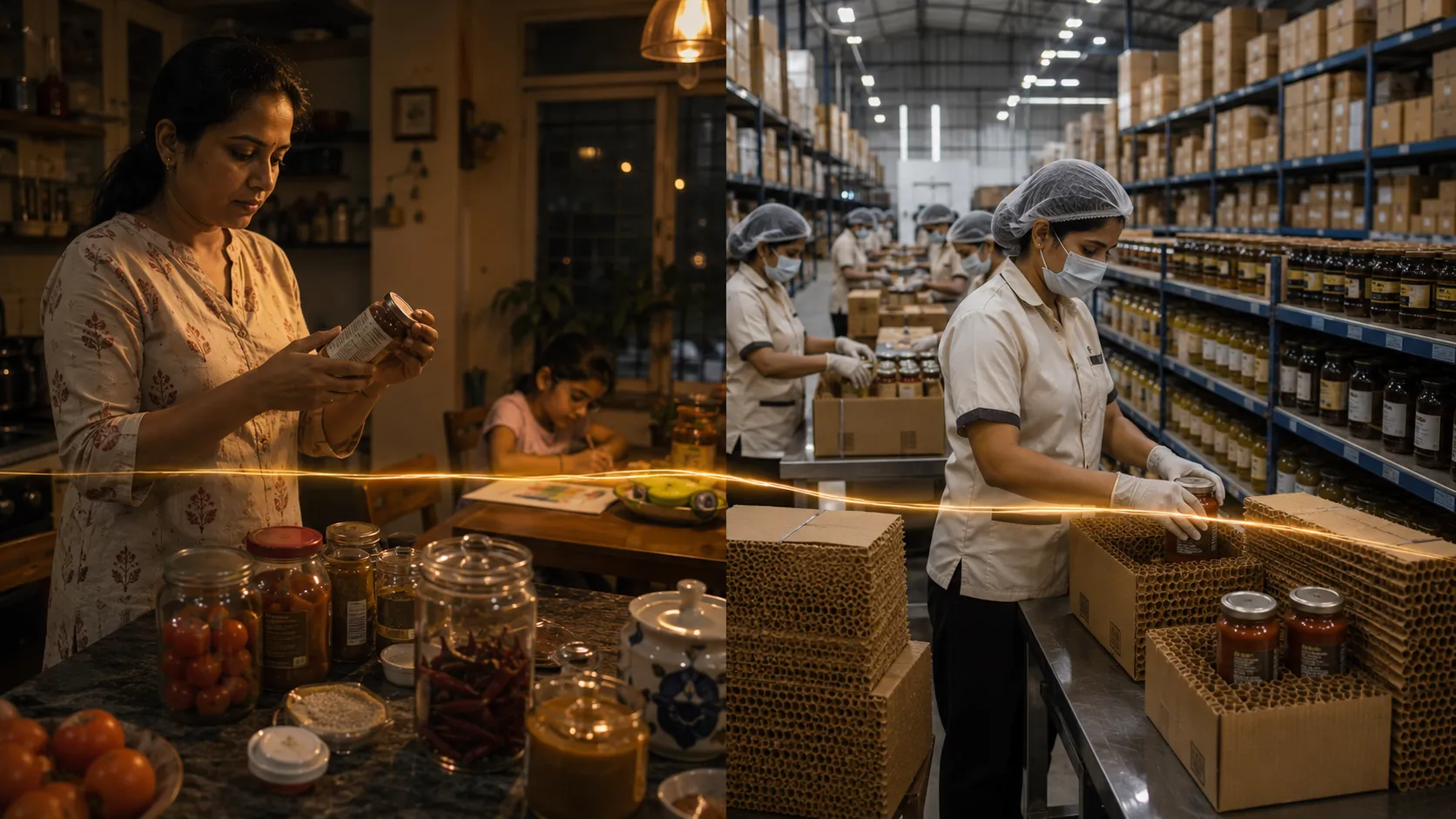
In 2017, Archana Surana stood in her kitchen in Bengaluru and did something that millions of Indian mothers have done before her. She read a food label. Not casually—not the way a hurried shopper scans the front of a package for the words "natural" or "healthy"—but forensically, the way a mother reads a label when she has begun to suspect that the food she is serving her child is not what it claims to be. Her daughter was 11 years old. The tomato ketchup the child loved was loaded with sugar, preservatives, and artificial colours. The sauces that made dinner appetising were thickened with modified starches and stabilised with chemicals she could not pronounce. The snacks that filled the gaps between meals were engineered for shelf life, not nutrition. "I realised that I was surrounded by food that lacked natural goodness," she told Flipkart Stories. "The idea for the brand grew from a personal need for wholesome, clean, truly healthy nutrition. As a mother, it was concerning. I wanted food I could confidently serve to my children and help other mothers struggling with the same."
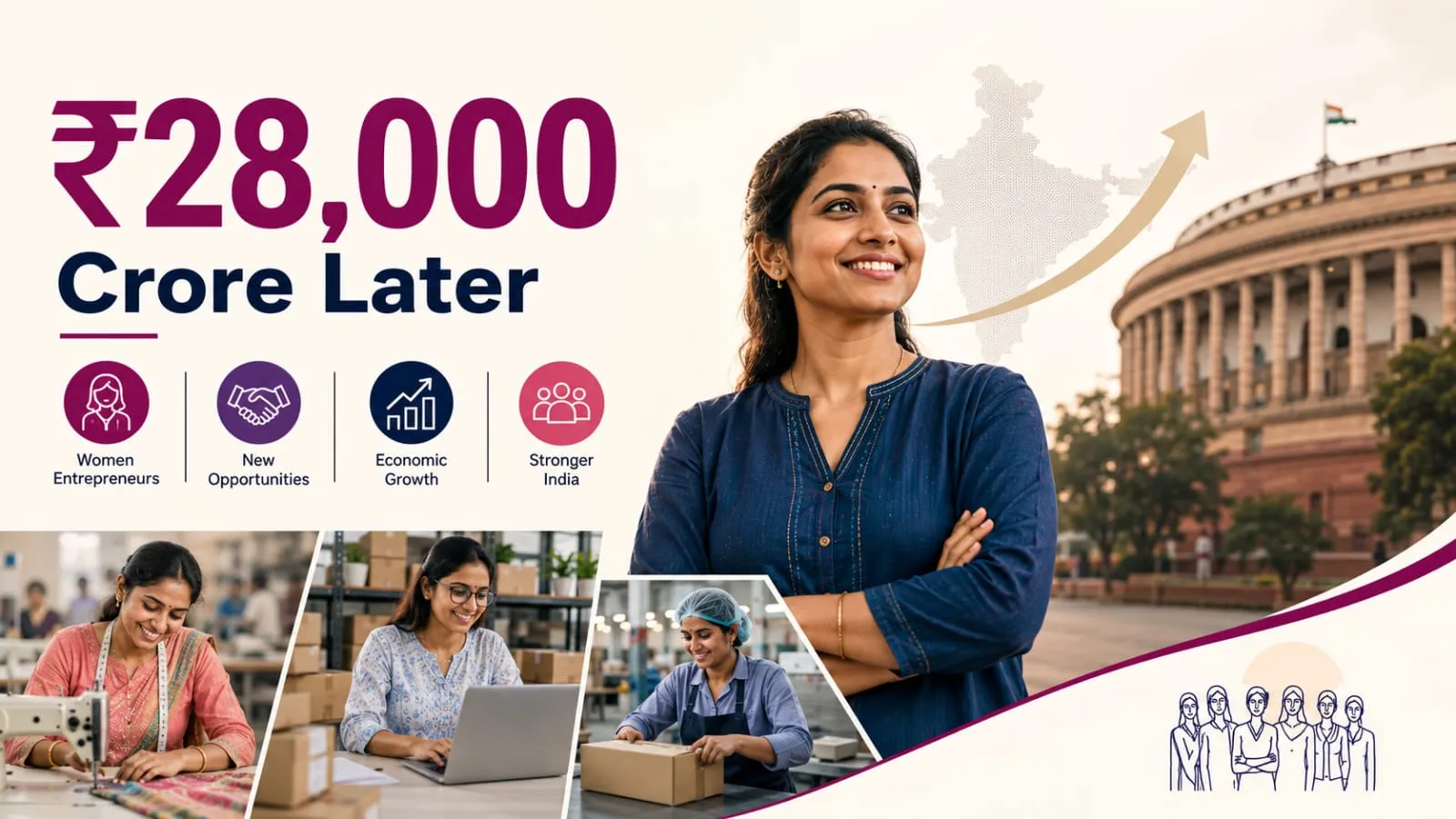
India’s Womaniya initiative is becoming a larger story about women-led businesses, procurement access and how economic participation is expanding at scale.
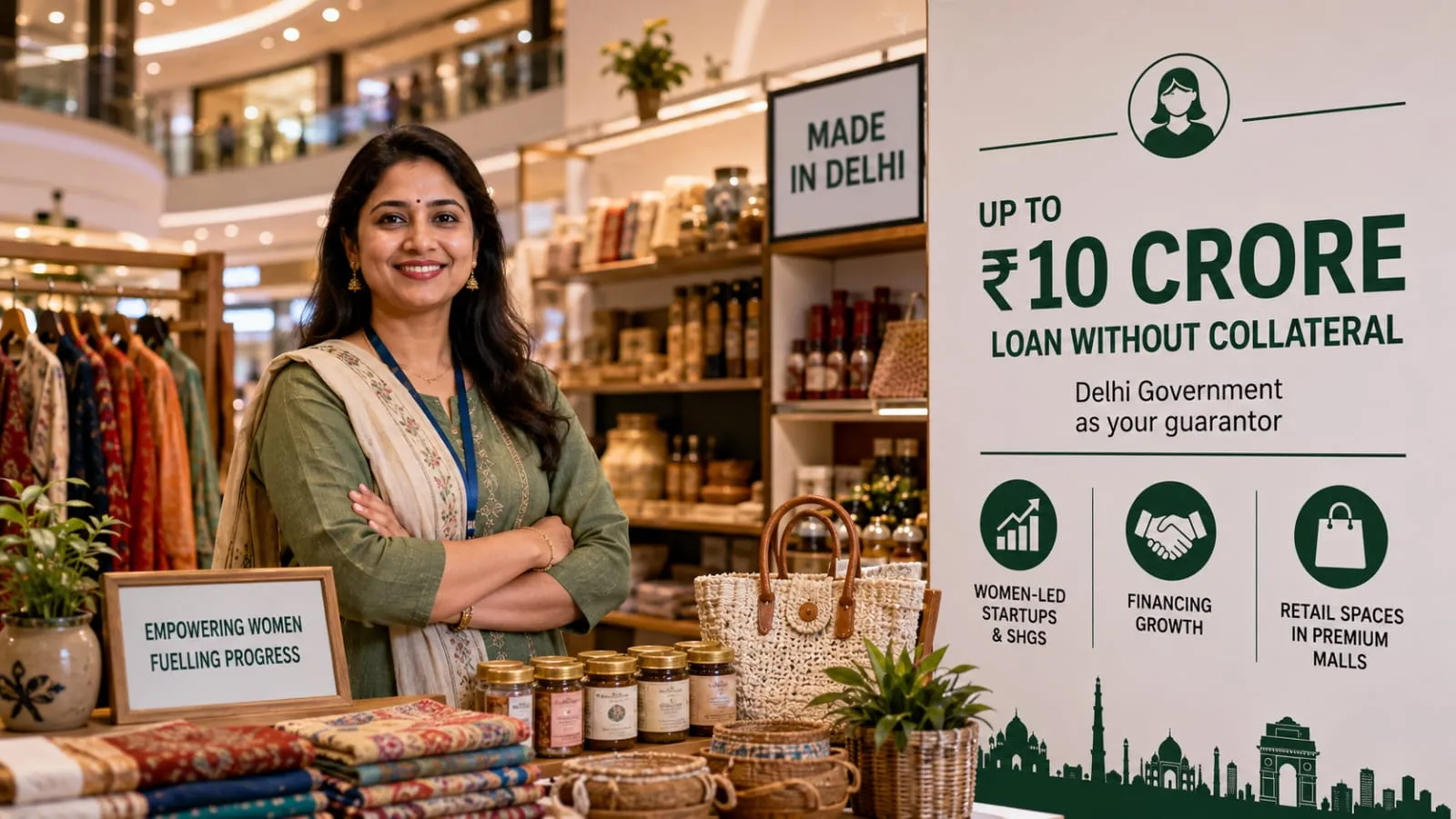
To dismantle deep-seated financial disparities, the Delhi Government has launched an ambitious initiative providing collateral-free loans of up to ₹10 crore for women-led startups and Self-Help Groups (SHGs). By acting as the direct guarantor, the state eliminates the prohibitive need for property or personal asset pledges that traditionally block women from scaling their ventures. Accompanied by commitments to offer prominent retail spaces within premium city malls, this policy bridges the gap between grassroots local manufacturing and elite consumer markets, paving a smooth path toward financial independence.

Intellectual property pioneer Komal Talwar is fundamentally reshaping the global R&D landscape through XLSCOUT, an integrated, AI-driven patent monetization and analysis platform. Managing an extensive database of more than 170 million patents across 100-plus countries, the platform leverages Large Language Models (LLMs) to automate tedious prior-art searches and patent drafting processes. By compressing traditional manual research timelines by over 45%, this deep-tech innovation gives corporate enterprises, law firms, and research institutions a highly secure, automated pathway to maximize the commercial value of their intellectual assets.

In 2003, Anu Acharya was a successful technology entrepreneur in Hyderabad, running a software company she had founded after a stint as a research physicist at the University of Illinois. She was not a biologist. She was not a doctor. She had never worked in healthcare. And then her cousin died of a genetic disorder—a disease that, had it been detected early enough, could have been managed, treated, perhaps even prevented. The loss was devastating. The question it planted in her mind was even more so: how many Indians were carrying genetic risks they had no way of knowing about?
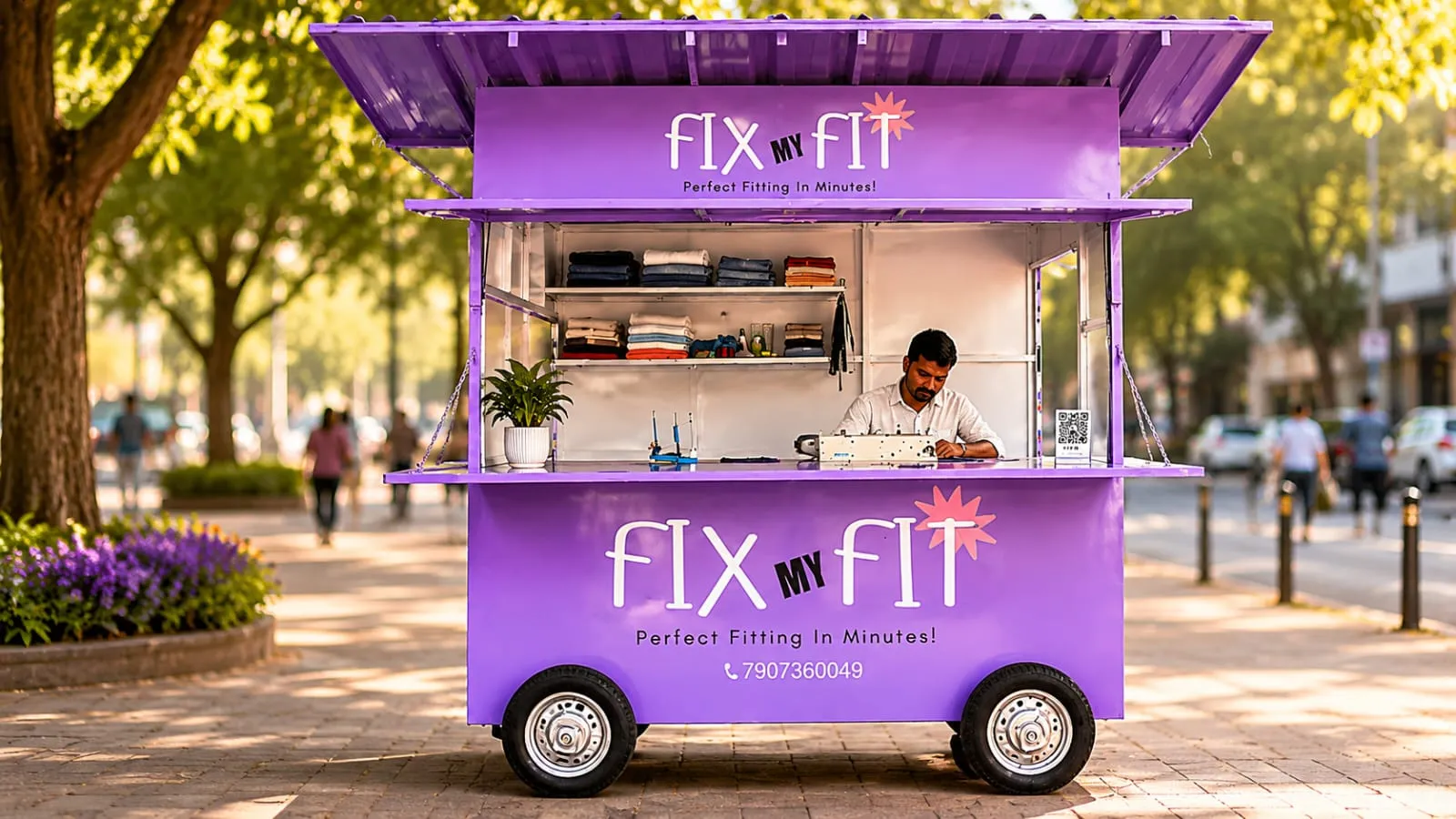
Fashion designer Sonali Thakur is challenging the disposable mindset of modern consumerism with Fix My Fit, a unique street-side startup delivering quick 10-minute garment adjustments from a vibrant mobile cart in Kochi. Stationed near Kathrikadavu, this fully self-contained micro-tailoring unit addresses a historical shortage of on-the-spot alterations in Kerala. By offering everything from simple darning to design revamps, the venture provides an accessible, quick solution that supports a circular fashion ecosystem.
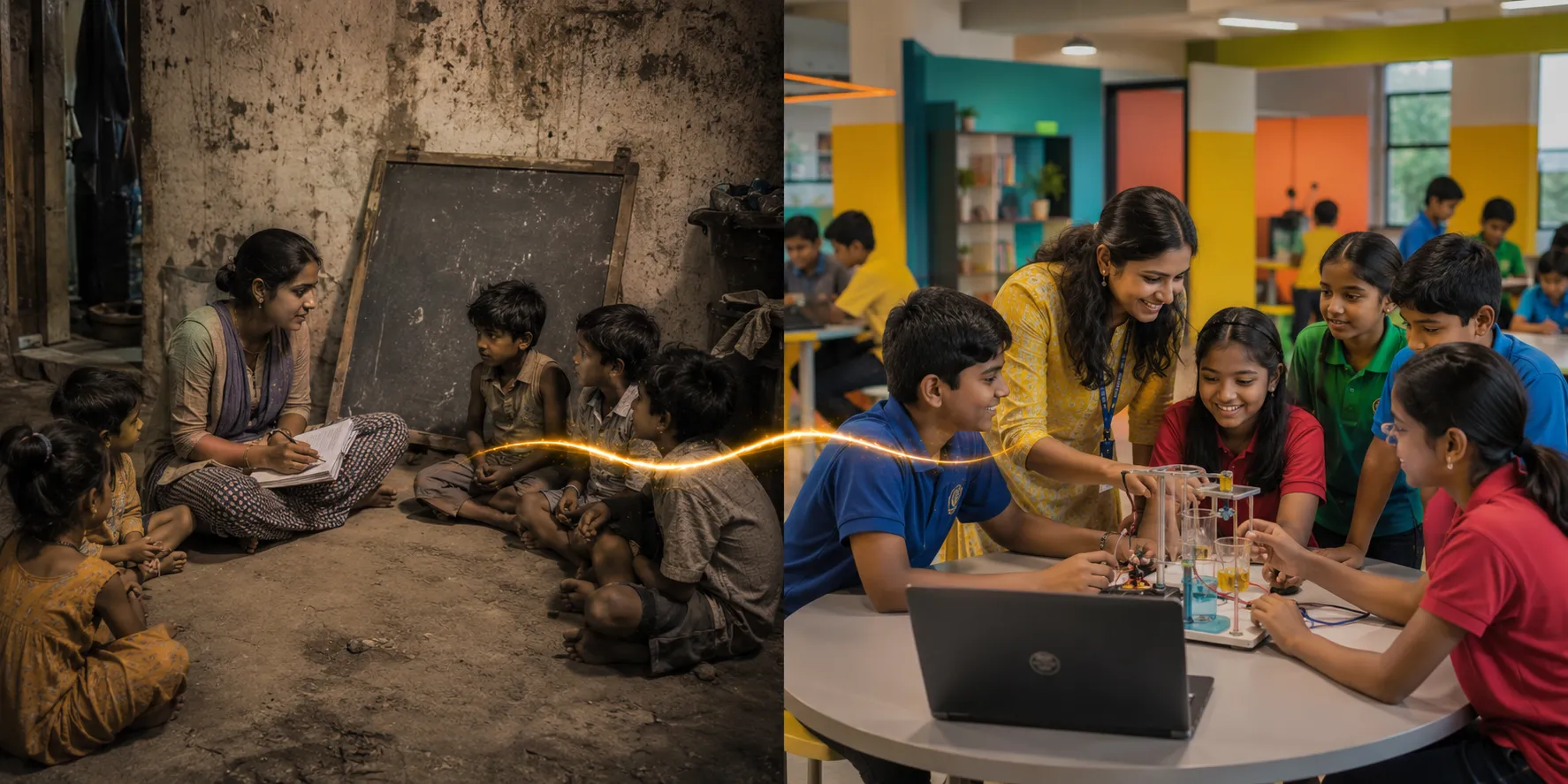
In 1989, Shaheen Mistri was 18 years old, the daughter of a prominent banker, educated at elite international schools, and on a trajectory that led to universities abroad and a life of comfortable, cosmopolitan privilege. She was home in Mumbai for the summer, and she was bored. She decided, on a whim, to volunteer at a school for underprivileged children in the city's slums. The decision was not ideological. She was not an activist. She was a teenager who wanted something to do.
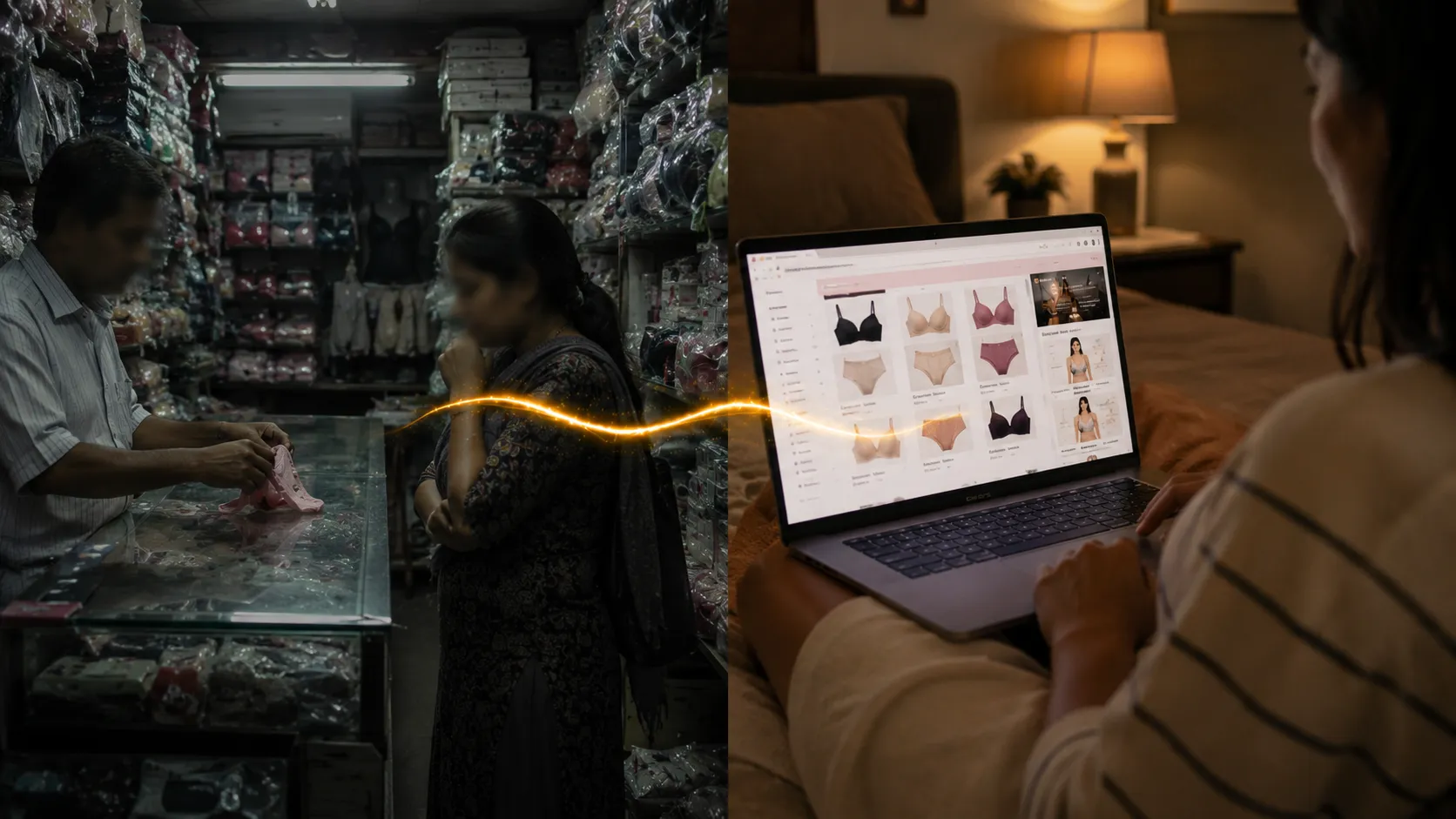
In 2010, Richa Kar was 28 years old, a graduate of BITS Pilani and the Narsee Monjee Institute of Management Studies, with a solid corporate career at SAP and Spencer's Retail. She had been researching the Indian lingerie market for months—not because she intended to start a business, but because she had noticed something that seemed too obvious to be true. Indian women, regardless of income, education, or geography, were almost universally underserved when it came to intimate wear. The neighbourhood lingerie stores were cramped, poorly lit, and staffed by men who made the shopping experience so uncomfortable that most women rushed through it, buying whatever was handed to them without ever trying anything on. The premium options were available only in high-end department stores in a handful of cities. The vast majority of Indian women—hundreds of millions of them—were buying ill-fitting, uncomfortable, and often unhygienic intimate wear because they had no dignified alternative.