Results (588 found)

14 Days to 100 Days, 25 Kg to 350 Kg, One Moon to a Space Station: Inside India's Great Space Acceleration
StartupsMay 26, 2026

14 Days to 100 Days, 25 Kg to 350 Kg, One Moon to a Space Station: Inside India's Great Space Acceleration

In August 2023, a four-legged lander named Vikram touched down on the lunar surface near the Moon's south pole, and India became the fourth nation in history to achieve a soft landing on another world. The mission was designed to last 14 days. The rover it carried weighed 25 kilograms. When the sun set on the lunar plain, the lander went to sleep, as planned, and did not wake up. It was, by any measure, a triumph—a demonstration of technological capability that had eluded far wealthier nations and that announced India's arrival as a serious space power.


The ₹30 Million Bet That a 33-Year-Old Hyderabad Semiconductor Unit Can Be Worth Half a Billion Dollars: Inside Cyient's Quiet Chip Gambit
StartupsMay 26, 2026

The ₹30 Million Bet That a 33-Year-Old Hyderabad Semiconductor Unit Can Be Worth Half a Billion Dollars: Inside Cyient's Quiet Chip Gambit

For most of its history, Cyient was known as an engineering services company — the kind of firm that helps global aerospace and defence giants design their products, manage their supply chains, and maintain their digital infrastructure. It was a solid, profitable, deeply unglamorous business, the kind that generates steady returns and zero headlines. Then, in the spring of 2026, it did something that no Indian engineering services company had ever done: it spun out its semiconductor division as a standalone entity, raised $30 million from Edelweiss Alternatives at a $500 million valuation, and signalled — quietly but unmistakably — that India's chip design ecosystem is no longer a side business. It is a sovereign asset. For most of its history, Cyient was known as an engineering services company — the kind of firm that helps global aerospace and defence giants design their products, manage their supply chains, and maintain their digital infrastructure. It was a solid, profitable, deeply unglamorous business, the kind that generates steady returns and zero headlines. Then, in the spring of 2026, it did something that no Indian engineering services company had ever done: it spun out its semiconductor division as a standalone entity, raised $30 million from Edelweiss Alternatives at a $500 million valuation, and signalled — quietly but unmistakably — that India's chip design ecosystem is no longer a side business. It is a sovereign asset.

The Venture Capital Renaissance: Heavy Concentration and Strategic Intents Shape Tech Funding
FundingMay 25, 2026

The Venture Capital Renaissance: Heavy Concentration and Strategic Intents Shape Tech Funding

The global venture capital landscape is witnessing a massive revival, driven by an intense concentration of capital into foundational AI, deep-tech infrastructure, and resilient regional marketplaces. Data shows that Indian startups alone have secured upwards of $12 billion in the opening months of the year, punctuated by rapid early-stage momentum in agentic AI platforms and specialized consumer brands. Concurrently, international private markets are breaking records with massive multi-million dollar megadeals, signaling a market that rewards deep technological moats, structural profitability, and clear enterprise-workflow integration over speculative growth.

"You Are Going to Die": The Professor's Warning That Changed Everything—How Ritesh Bawri Lost 28 Kg in 4 Months, Reversed Diabetes, and Built a Health Empire With the Wife Who Made Nutrition Delicious
StartupsMay 25, 2026

"You Are Going to Die": The Professor's Warning That Changed Everything—How Ritesh Bawri Lost 28 Kg in 4 Months, Reversed Diabetes, and Built a Health Empire With the Wife Who Made Nutrition Delicious

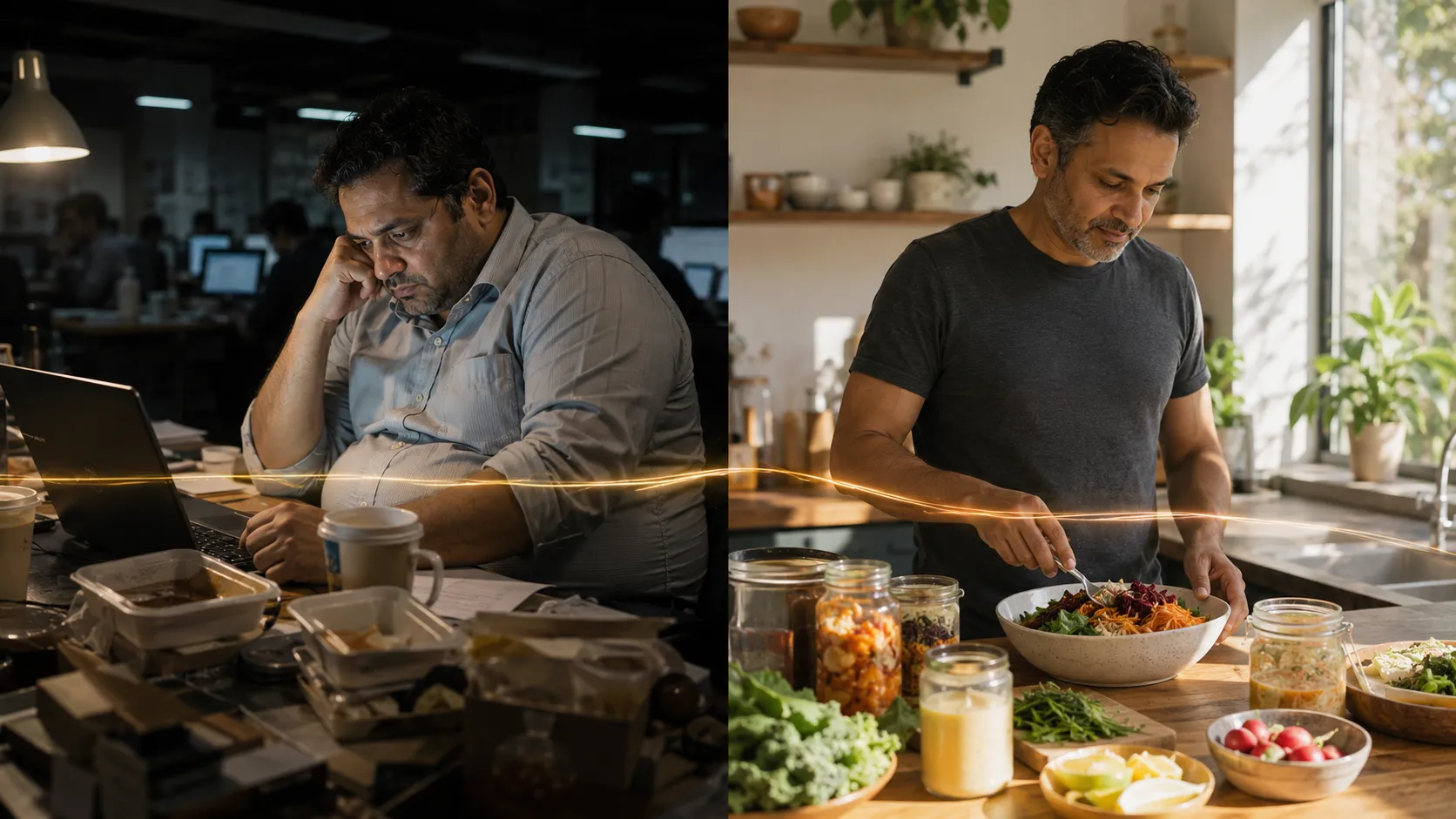
For nearly 25 years, Ritesh Bawri lived the life that millions of ambitious Indian men aspire to live. He was a fourth-generation business leader running multiple ventures. He was financially independent. He worked long hours, travelled constantly, and treated his body the way high-performers often treat their bodies—as a vehicle for achievement, not as something requiring maintenance. Food was functional. He ate standing in the kitchen, quickly, without thinking about nourishment. His diet was mostly processed carbohydrates: sandwiches, pizzas, several cups of coffee a day. Quantity mattered more than quality. Exercise was not part of his life. Sleep was irregular. Stress was unmanaged.

"My Daughter Was 11, and I Realised She Was Eating Chemicals": The Mother Whose Kitchen Became a 55,000-Unit-a-Month Organic Food Brand—Built With 85% Women, Zero Pesticides, and a Single Question
StartupsMay 25, 2026

"My Daughter Was 11, and I Realised She Was Eating Chemicals": The Mother Whose Kitchen Became a 55,000-Unit-a-Month Organic Food Brand—Built With 85% Women, Zero Pesticides, and a Single Question

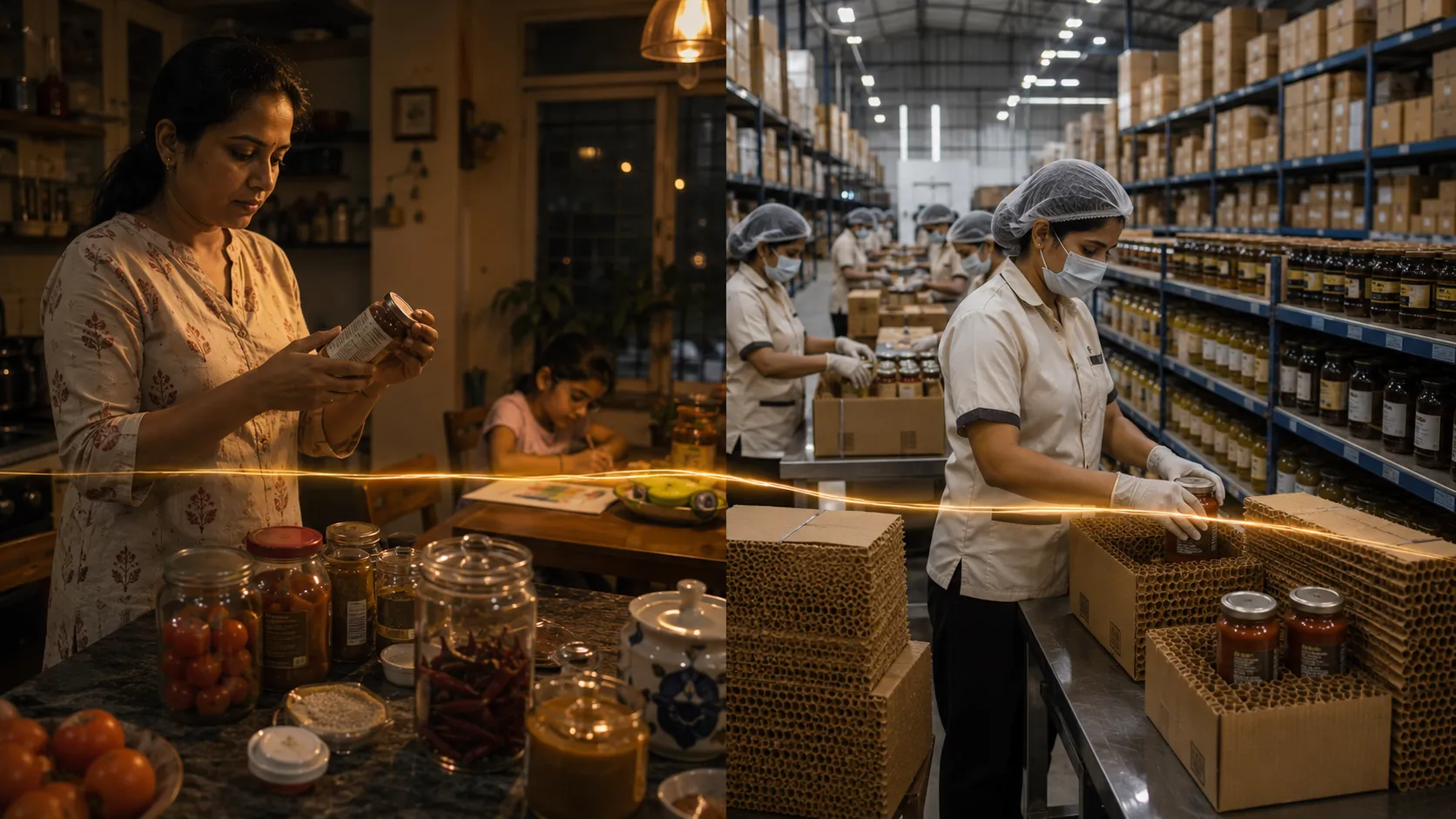
In 2017, Archana Surana stood in her kitchen in Bengaluru and did something that millions of Indian mothers have done before her. She read a food label. Not casually—not the way a hurried shopper scans the front of a package for the words "natural" or "healthy"—but forensically, the way a mother reads a label when she has begun to suspect that the food she is serving her child is not what it claims to be. Her daughter was 11 years old. The tomato ketchup the child loved was loaded with sugar, preservatives, and artificial colours. The sauces that made dinner appetising were thickened with modified starches and stabilised with chemicals she could not pronounce. The snacks that filled the gaps between meals were engineered for shelf life, not nutrition. "I realised that I was surrounded by food that lacked natural goodness," she told Flipkart Stories. "The idea for the brand grew from a personal need for wholesome, clean, truly healthy nutrition. As a mother, it was concerning. I wanted food I could confidently serve to my children and help other mothers struggling with the same."

"I Was 39 With the Body of a 49-Year-Old": The Zomato Co-Founder Who Reversed His Biological Age—and Built a Health-Tech Startup With His Wife That Ranbir Kapoor Just Bet Millions On
StartupsMay 25, 2026

"I Was 39 With the Body of a 49-Year-Old": The Zomato Co-Founder Who Reversed His Biological Age—and Built a Health-Tech Startup With His Wife That Ranbir Kapoor Just Bet Millions On

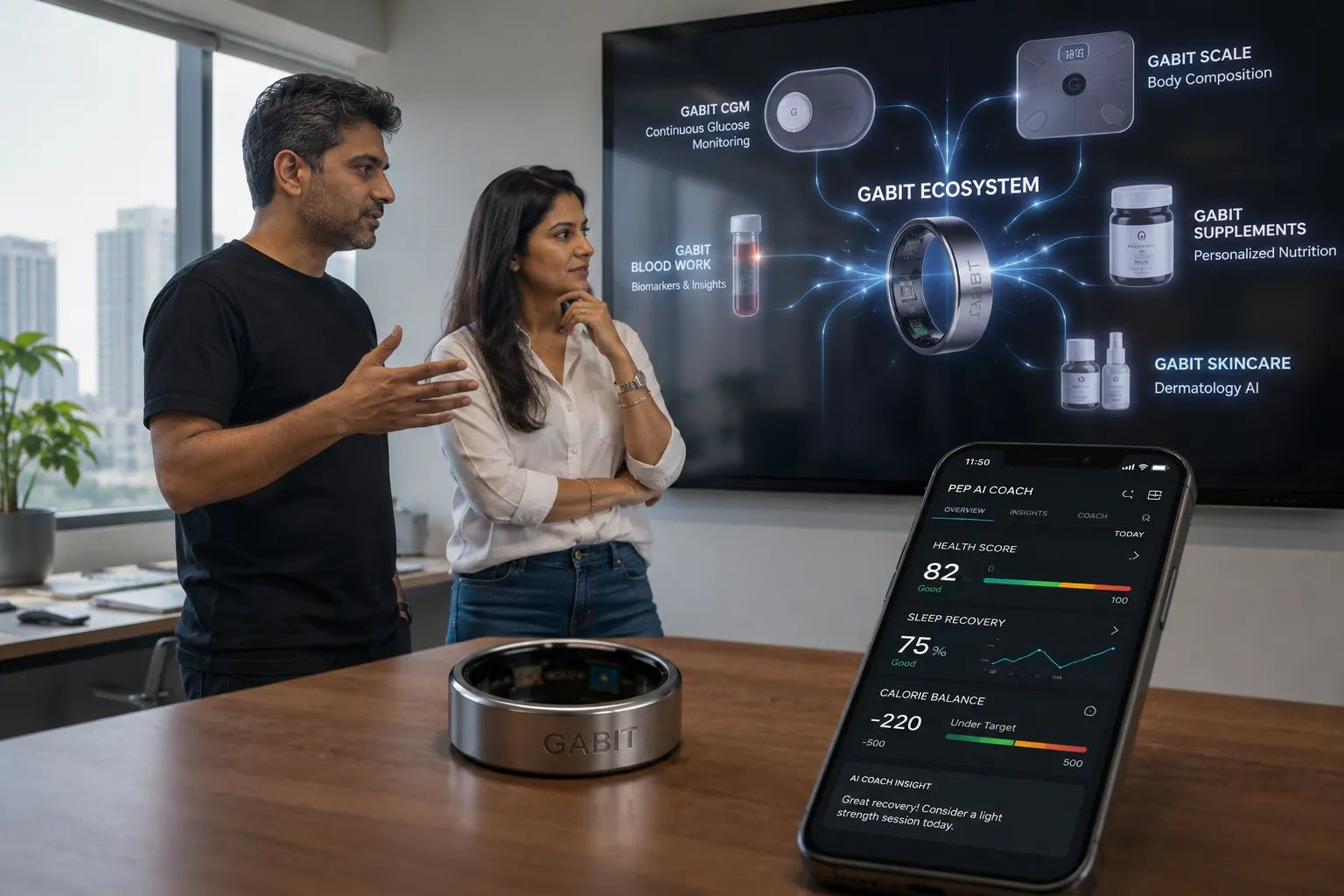
Gaurav Gupta was one of the architects of India's food-tech revolution. As a co-founder of Zomato, he spent more than a decade building the infrastructure that turned a restaurant-discovery website into India's largest food-delivery platform—a company that now serves hundreds of millions of users across multiple countries, that went public in 2021, and that fundamentally changed how India eats. He was, by any conventional measure, extraordinarily successful. He was also, by his own quiet admission, falling apart.

The Engineer and the Journalist Who Bet Their Life Savings on Davangere Dosas: How Two 24-Year-Olds With No Restaurant Experience Built a ₹1 Crore/Month Breakfast Chain That Mumbai Lines Up For
StartupsMay 25, 2026

The Engineer and the Journalist Who Bet Their Life Savings on Davangere Dosas: How Two 24-Year-Olds With No Restaurant Experience Built a ₹1 Crore/Month Breakfast Chain That Mumbai Lines Up For

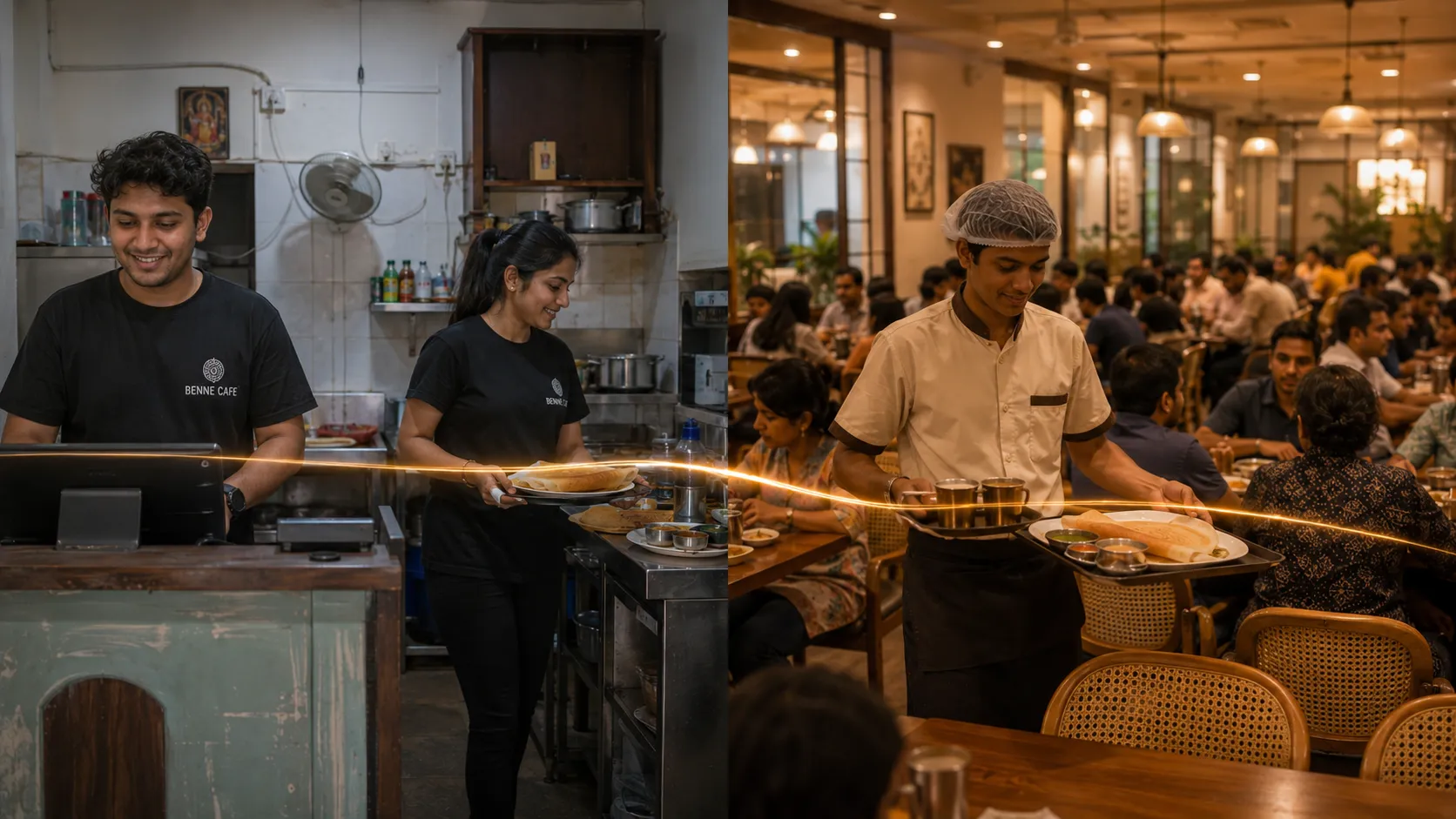
In 2022, Akhil Iyer was 24 years old, a chemical engineer with an MBA who had spent two years at Morgan Stanley. His girlfriend—now wife—Shriya Narayana was 24, a journalist with a degree in economics and political science from the University of London who had spent years telling other people's stories for a living. They were young, educated, and on trajectories that made their parents proud. They had never run a restaurant. They had never managed a kitchen. They had never stood behind a counter at 6 a.m., watching the first customers of the day decide whether the food they were about to eat was worth the money they were about to spend. And they had an idea that everyone told them was insane.

"We Were Hosting People With Plastic": The Corporate Couple Who Left Their Jobs to Build a ₹5 Lakh/Month Wooden Kitchenware Brand—and Prove That Slow, Handcrafted Products Can Still Win
StartupsMay 25, 2026

"We Were Hosting People With Plastic": The Corporate Couple Who Left Their Jobs to Build a ₹5 Lakh/Month Wooden Kitchenware Brand—and Prove That Slow, Handcrafted Products Can Still Win

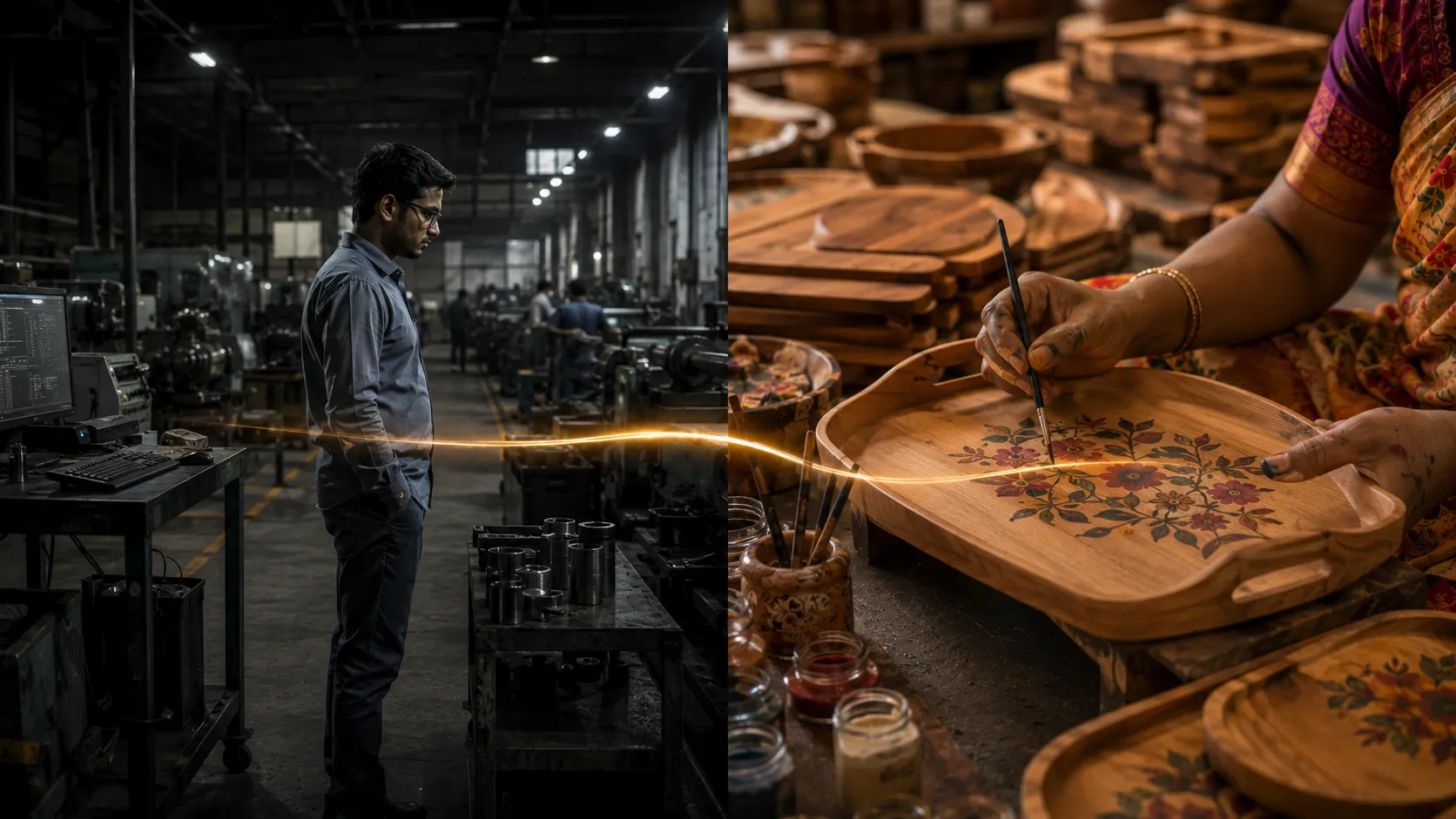
Punit Agarwal was 39 years old, a computer engineer by training who had spent the better part of his career in his father's metal fabrication business. The work was stable, profitable, and deeply monotonous. Every morning, he walked into the same factory, managed the same processes, and left with the same quiet dissatisfaction that had been accumulating for years. "That work is obviously very monotonous," he told The Better India. "It didn't let me explore creative avenues, or do something that I could put my heart into." He was not poor. He was not struggling. He was something that the Indian economy rarely acknowledges: a successful man who was quietly, persistently unfulfilled.

The Coconut Plantation That Lost Money on Every Tree: How a Kerala Couple's Search for Healthy Snacks Became a Mission to Save India's Farmers—One Millet Cookie at a Time
StartupsMay 25, 2026

The Coconut Plantation That Lost Money on Every Tree: How a Kerala Couple's Search for Healthy Snacks Became a Mission to Save India's Farmers—One Millet Cookie at a Time

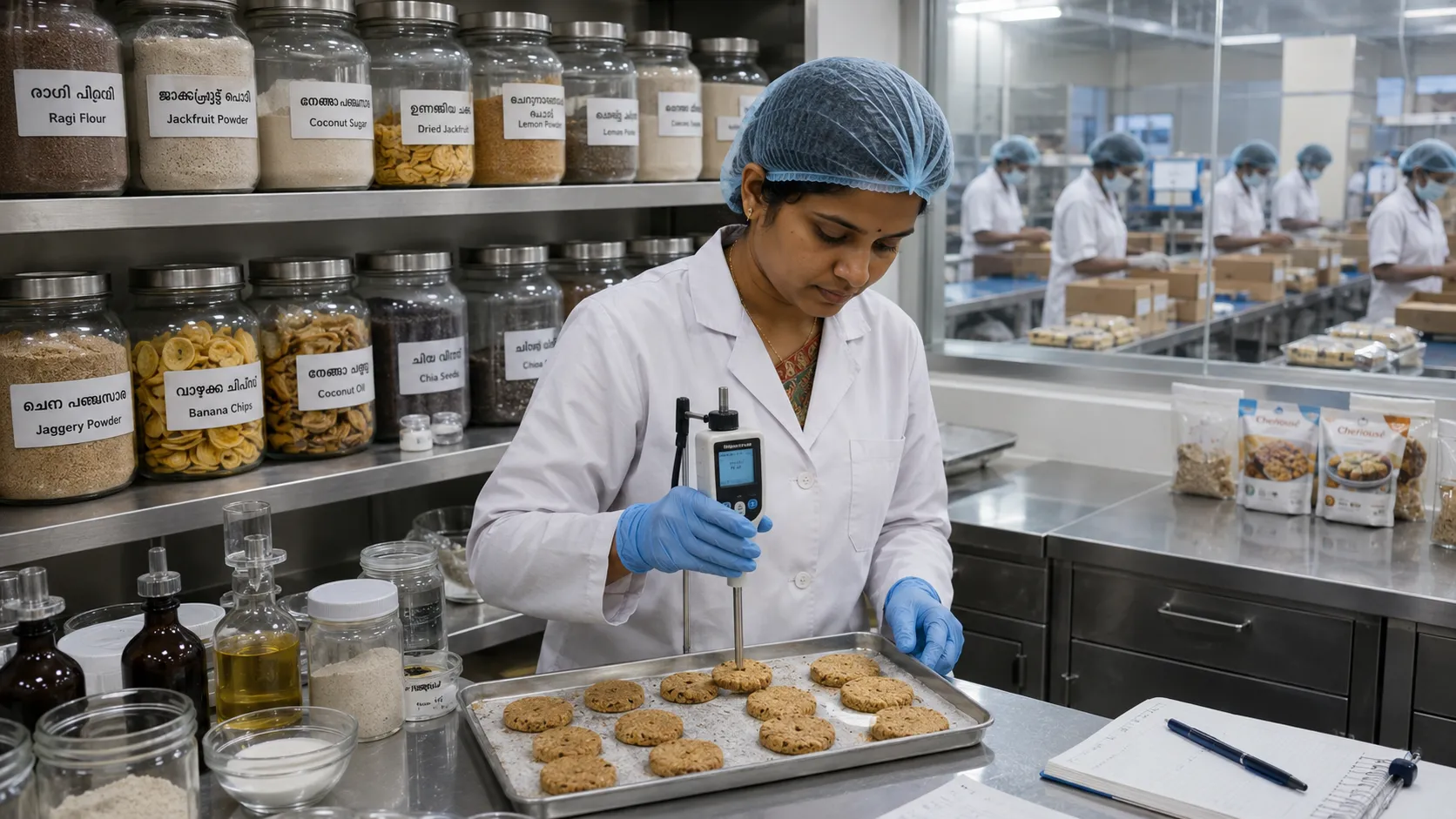
Years ago, fresh out of school, Noorudheen Kuttaloorpari found one of his greatest joys in visiting his father's coconut plantation in Malappuram. Every day, he would water the plants and marvel at the lush greenery and the sprawling paddy fields nearby. The abundance of nature filled him with pride, and he naturally assumed that the plantation was a source of prosperity. Then reality struck. The price of a coconut barely touched ₹6, while the cost of cultivation was ₹7. The plantation was running at a loss. "This wasn't just our story," Noorudheen wrote years later. "It was the story of countless farmers in the region. Those who worked tirelessly to create the lush, green landscapes were struggling to make ends meet."

Load More Results