Results (702 found)

The $20,000 Mechanical Worker: Inside Tesla’s Master Plan to Put an Optimus Robot in Your Home by 2027
ImpactMay 25, 2026

The $20,000 Mechanical Worker: Inside Tesla’s Master Plan to Put an Optimus Robot in Your Home by 2027

As Tesla readies its initial mass-production infrastructure for the Optimus humanoid robot, the technology sector anticipates a massive realignment of workplace and home life. With a long-term public consumer price goal targeted below $20,000 and widespread residential availability expected for late 2027, Elon Musk's most ambitious project is quickly stepping from factory R&D directly into commercial reality.

She Was Told Real Estate Was No Place for a Woman. So Meghna Agarwal Built a ₹1,200 Crore Coworking Empire—and Made the Office a Destination Again.
WomenMay 25, 2026

She Was Told Real Estate Was No Place for a Woman. So Meghna Agarwal Built a ₹1,200 Crore Coworking Empire—and Made the Office a Destination Again.

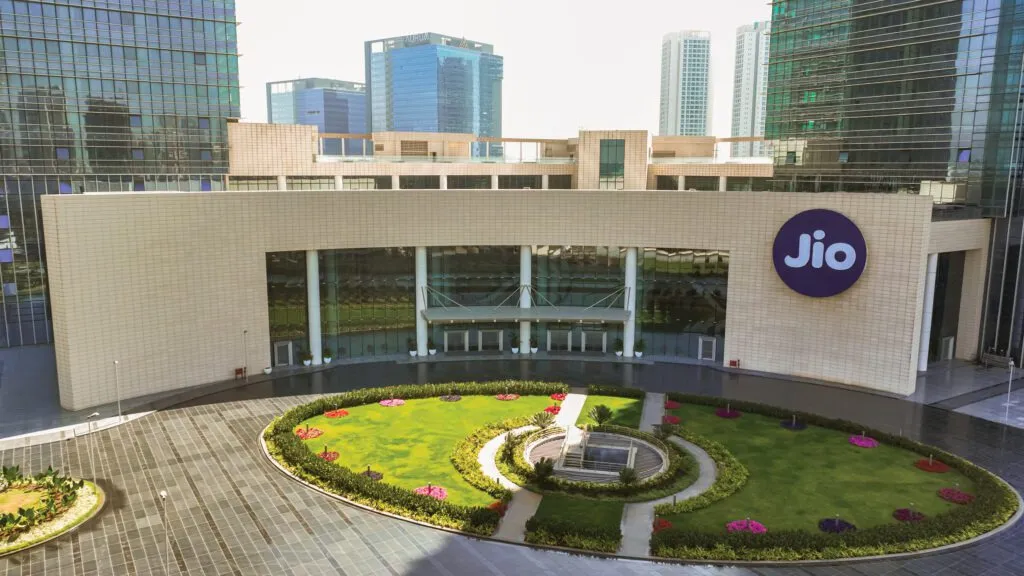
In 2015, Meghna Agarwal was a senior executive at a large Indian technology company, and she had a problem that her employer could not solve. The company was growing fast—hiring hundreds of engineers every quarter, expanding into new cities, competing for talent in a market where the best people could choose their employers—and the office infrastructure was a bottleneck. Leases took months to negotiate. Build-outs took months more. The spaces, when they were finally ready, were conventional, uninspiring, and disconnected from what the young, ambitious workforce actually wanted. The company needed offices that were flexible, scalable, and designed for the way people actually worked—not the way they had worked in 1995. The real estate industry, Agarwal discovered, had no answer.

The Girl from Jaipur Who Sewed on Her Balcony: How Anita Dongre Built a ₹3,000 Crore Fashion Empire Without a Loan, a Degree, or Permission
WomenMay 24, 2026

The Girl from Jaipur Who Sewed on Her Balcony: How Anita Dongre Built a ₹3,000 Crore Fashion Empire Without a Loan, a Degree, or Permission

In 1983, Anita Dongre arrived in Mumbai with ₹11,000, a sewing machine, and a conviction that Indian women deserved clothes that fit their lives. She was 20 years old, the daughter of a garment exporter in Jaipur who had encouraged her to study fashion—an unusual choice for a middle-class Marwari girl in the 1970s—but who could not fund her ambitions beyond the basics. She had no degree from the National Institute of Fashion Technology, which did not yet exist. She had no business plan. She had no connections in Mumbai's tightly guarded fashion industry. She had a small apartment in Navi Mumbai, a balcony that became her workshop, and a belief—quiet, stubborn, and entirely unproven—that if she made clothes women actually wanted to wear, they would buy them.

The Stanford Engineer Who Survived India's Fintech Crash: How Upasana Taku Remortgaged Her Home, Survived a 96% Valuation Collapse, and Took a $450 Million Company Public
WomenMay 24, 2026

The Stanford Engineer Who Survived India's Fintech Crash: How Upasana Taku Remortgaged Her Home, Survived a 96% Valuation Collapse, and Took a $450 Million Company Public

In the winter of 2016, Upasana Taku sat at her kitchen table in Gurugram and calculated how long her company had to live. The answer was eight weeks. MobiKwik, the digital payments platform she had co-founded seven years earlier with her husband Bipin Preet Singh, was burning through its remaining cash at a rate that would exhaust its reserves by February. The Indian startup ecosystem was in the grip of a funding winter so severe that once-celebrated unicorns were collapsing into fire sales. Venture capitalists who had once returned her calls within hours were no longer answering. The valuation at which she had raised her last round — a number she no longer speaks about publicly, but which industry sources placed at roughly $250 million — had become a liability rather than an asset. No new investor would touch the company at anything close to that price. No existing investor was willing to lead a bridge. The only people who believed MobiKwik would survive were the two people sitting at the kitchen table.

The Kerala Lab That Taught an AI to Read the Brain—And Is Now Helping Surgeons Navigate Its Most Dangerous Territory
StartupsMay 24, 2026

The Kerala Lab That Taught an AI to Read the Brain—And Is Now Helping Surgeons Navigate Its Most Dangerous Territory

Dr. Laina Emmanuel was not supposed to be a neurotech entrepreneur. She was a clinical neuropsychologist, the kind who spends her days in hospital wards, assessing patients with brain tumours, traumatic brain injuries, and neurodegenerative diseases. She watched neurosurgeons plan their operations by staring at black-and-white MRI slices, mentally reconstructing the three-dimensional architecture of the brain, and making their best guess about where the tumour ended and the healthy tissue began. She watched them get it wrong—not often, but often enough. A few millimetres in the wrong direction, and a patient who came in for a tumour resection left the operating theatre unable to speak, or walk, or recognise their spouse.

The ₹1,150 Crore Startup That India's Venture Capitalists Forgot to Notice: How Three IIT Friends Spent 16 Years Building a Profitable Climate-Tech Giant While Everyone Chased Quick Commerce
StartupsMay 24, 2026

The ₹1,150 Crore Startup That India's Venture Capitalists Forgot to Notice: How Three IIT Friends Spent 16 Years Building a Profitable Climate-Tech Giant While Everyone Chased Quick Commerce

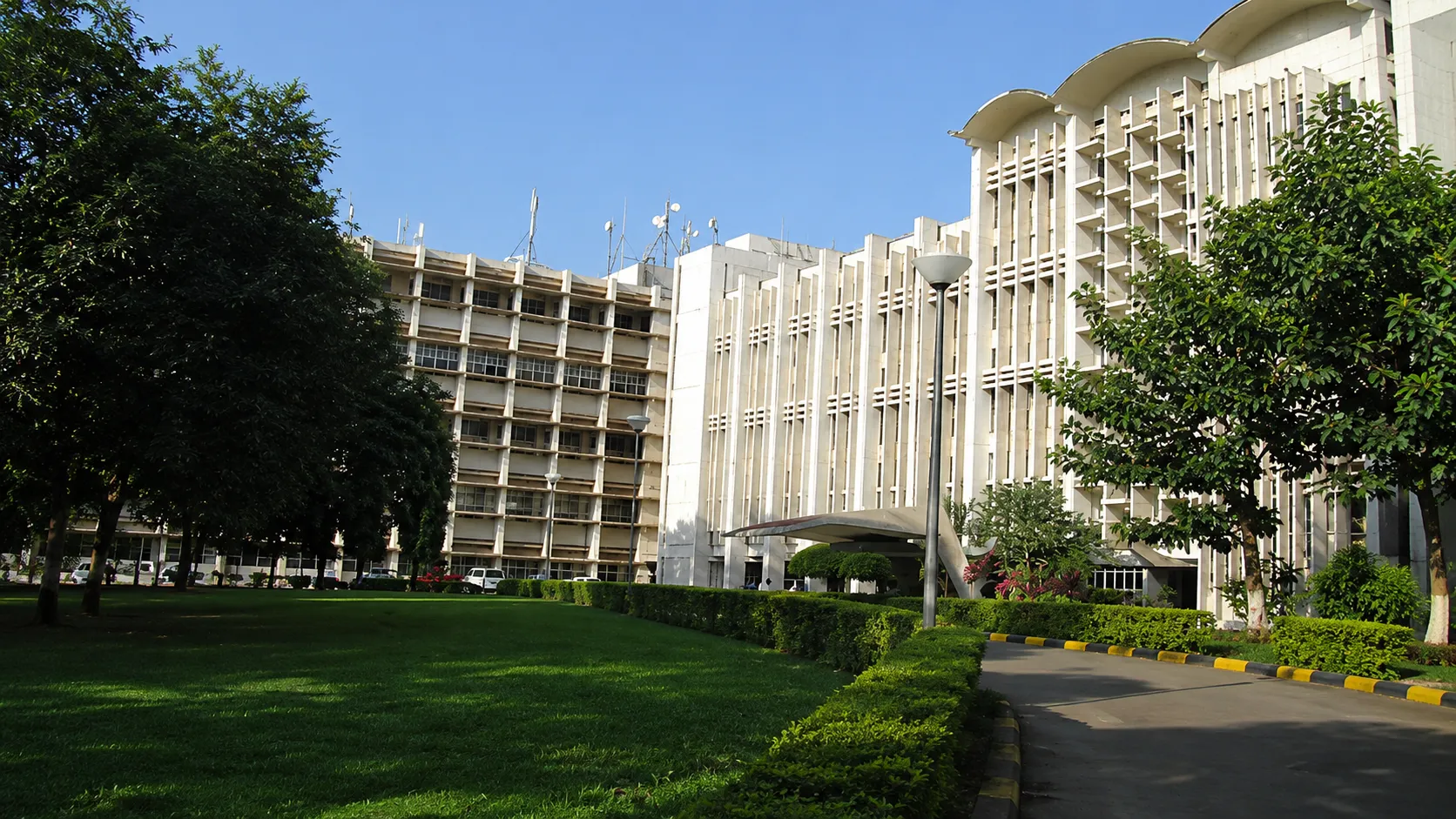
In 2010, three friends from IIT Kharagpur stood at the threshold of a decision that would define the rest of their lives. Devendra Gupta had a job offer from a multinational corporation. Prateek Singhal had an offer from a prestigious foreign university. Vivek Pandey had a path that looked, to everyone who knew him, like the safe, sensible, upward trajectory of an engineering graduate from one of India's finest institutions. The offers were good. The paths were clear. The alternative was to start a company that made solar-powered pumps for farmers—a category that did not exist, in a market that had never heard of it, with no venture capital, no government incentives, and no guarantee that anyone would buy what they built.

The Bengaluru Lab That Taught an AI to Read the Brain—And Is Now Helping Surgeons Navigate Its Most Dangerous Territory
StartupsMay 24, 2026

The Bengaluru Lab That Taught an AI to Read the Brain—And Is Now Helping Surgeons Navigate Its Most Dangerous Territory

Dr. Laina Emmanuel was not supposed to be a neurotech entrepreneur. She was a clinical neuropsychologist, the kind who spends her days in hospital wards, assessing patients with brain tumours, traumatic brain injuries, and neurodegenerative diseases. She watched neurosurgeons plan their operations by staring at black-and-white MRI slices, mentally reconstructing the three-dimensional architecture of the brain, and making their best guess about where the tumour ended and the healthy tissue began. She watched them get it wrong—not often, but often enough. A few millimetres in the wrong direction, and a patient who came in for a tumour resection left the operating theatre unable to speak, or walk, or recognise their spouse.

The Kerala Lab Where a 28-Year-Old Is Printing Human Corneas—and Could End the Global Blindness Waitlist
StartupsMay 24, 2026

The Kerala Lab Where a 28-Year-Old Is Printing Human Corneas—and Could End the Global Blindness Waitlist

Dr. Asha Krishnan was not supposed to be a startup founder. She was a research scientist at Sree Chitra Tirunal Institute for Medical Sciences and Technology, one of India's most respected medical research institutions, working on biomaterials that could one day—perhaps, maybe, eventually—be used to 3D-print human tissue. The work was fascinating, important, and slow. The gap between a published paper and a patient who could see again was measured in decades. She was fine with that. She was a scientist. Patience was the job.

The ₹47 Crore Underwater Robot That Just Put a Kerala Startup on the Global Deep-Tech Map
StartupsMay 24, 2026

The ₹47 Crore Underwater Robot That Just Put a Kerala Startup on the Global Deep-Tech Map

Sometime in the past week, in a wood-panelled conference room in Oslo, a young engineer from Kochi stood before a gathering of Norwegian maritime executives and Indian government officials and described a machine that most of the people in the room had never seen. The machine was an underwater remotely operated vehicle—a robot designed to descend into the darkness of harbours, dams, and offshore platforms, where human divers cannot go, and inspect the critical infrastructure that the global economy depends on but almost never sees. It could operate at depths that would crush a diver. It could navigate in zero-visibility conditions using sonar and AI-powered computer vision. It could relay high-definition video, sonar imagery, and structural diagnostics to a control station on the surface. And it had been designed, built, and tested not in Norway—the world leader in subsea engineering—but in Kerala, at a startup called EyeROV Technologies, founded by alumni of IIT Madras and backed by the Kerala Startup Mission.

Load More Results