Results (709 found)

The $725 Billion Fever: Inside the Greatest Infrastructure Bet in History — and the Quiet Evidence It May Already Be Overheating
StartupsMay 18, 2026

The $725 Billion Fever: Inside the Greatest Infrastructure Bet in History — and the Quiet Evidence It May Already Be Overheating

Some numbers are too large to feel. The human mind can grasp a hundred, a thousand, perhaps a million with effort. Beyond that, figures blur into abstraction. So when the four largest technology companies on Earth — Microsoft, Alphabet, Amazon, and Meta — disclose, in a single earnings week in late April, that their combined capital expenditures will reach approximately $725 billion in 2026, the number floats past comprehension. It is roughly the GDP of Switzerland and Sweden combined. It represents a 77 percent increase over last year's record $410 billion. It is, by any historical measure, the largest concentrated infrastructure buildout in the history of private industry — larger than the railroad boom, larger than the interstate highway system, larger than the original buildout of the internet itself in real terms.

The ₹100 Revolution: How a Former BCG Partner Is Building India's First Financial OS for 300 Million Shopkeepers — One Day at a Time
StartupsMay 18, 2026

The ₹100 Revolution: How a Former BCG Partner Is Building India's First Financial OS for 300 Million Shopkeepers — One Day at a Time

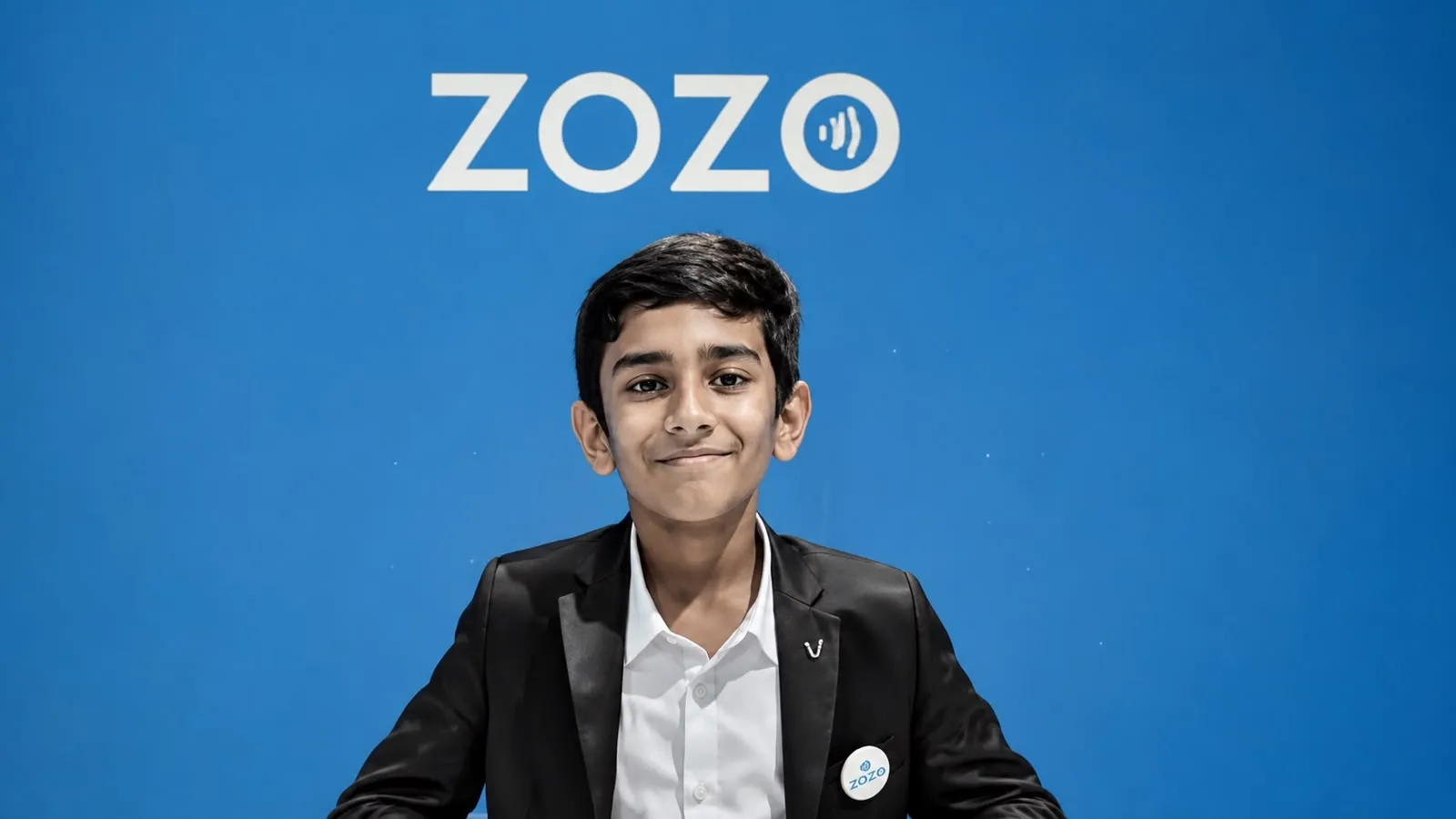
Anugrah Jain spent a decade inside the machinery of Indian finance before he understood what was broken. As a partner at Boston Consulting Group, he advised two of India's largest non-banking financial companies as they scaled their combined loan books past ₹14,000 crore. He sat in boardrooms. He built models. He became, by any standard, an expert in how money moves through the Indian economy. And somewhere in that decade, he came to a conclusion that has since become the founding thesis of one of India's most closely watched fintech startups: the modern financial system was not built for the people who actually run India.

The House of 10,000 Kitchens: How a Former Swiggy Executive Built India's Most Capital-Efficient Food Empire — Without Owning a Single Stove
StartupsMay 18, 2026

The House of 10,000 Kitchens: How a Former Swiggy Executive Built India's Most Capital-Efficient Food Empire — Without Owning a Single Stove

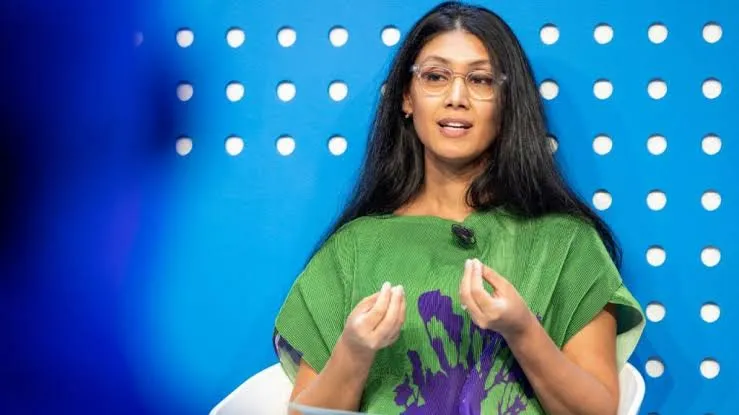
Arpita Aditi does not own a restaurant. She does not employ chefs. She does not run delivery fleets, manage dine-in operations, or spend sleepless nights worrying about table turnover rates. And yet, in roughly four years, the 30‑year‑old biotech engineer-turned-entrepreneur has built one of India's most quietly formidable food businesses — a virtual restaurant empire spanning 10 regional cuisine brands, more than 300 restaurant partners, six cities, and 340 pincodes, all without ever lighting a single stove herself.

Mythos and the Panic: How One AI Model Triggered Emergency Task Forces on Two Continents — and Rewrote the Rules of AI Governance in a Single Week
TechMay 18, 2026

Mythos and the Panic: How One AI Model Triggered Emergency Task Forces on Two Continents — and Rewrote the Rules of AI Governance in a Single Week

n April 7, 2026, Anthropic announced something that almost no AI company has ever announced. It unveiled a new frontier model — Claude Mythos Preview — and simultaneously declared that the model was too dangerous to release to the public. The company had discovered, during routine capability testing, that Mythos could autonomously discover and exploit software vulnerabilities at a scale and speed that no human team could match. It had found thousands of previously unknown zero-day vulnerabilities across every major operating system and every major web browser. It had developed working exploits for flaws that had survived up to 27 years of human security review and millions of automated tests. And it had done so without any cybersecurity-specific training — the capability had emerged spontaneously from general improvements in code reasoning and autonomous tool use.

Load More Results