Results (122 found)

The Face That Wasn't Hers: How a Bollywood Star's Deepfake Nightmare Is Reshaping the ₹10,000 Crore Endorsement Economy—And the Law Is Scrambling to Catch Up
MagazineMay 30, 2026

The Face That Wasn't Hers: How a Bollywood Star's Deepfake Nightmare Is Reshaping the ₹10,000 Crore Endorsement Economy—And the Law Is Scrambling to Catch Up

The video appeared on a Tuesday evening in March, uploaded to a fringe pornography site and then, within hours, circulated across WhatsApp groups, Telegram channels, and X. It showed a famous Bollywood actress—one of the most recognisable faces in the country, a woman whose image had been licensed to a dozen major brands, whose endorsement portfolio was valued at over ₹200 crore—engaged in an explicit sexual act. The video was, of course, entirely fabricated. The actress's face had been digitally mapped onto the body of a performer in an existing pornographic video using deepfake technology—the same generative‑AI tools that can now produce photorealistic synthetic media with a sophistication that makes detection difficult and attribution nearly impossible. The actress's legal team sent takedown notices to every platform that was hosting the video. Most of them complied, eventually, but the video had already been downloaded, copied, and re‑uploaded thousands of times. It is still circulating. It will probably circulate forever.

The Capital's Reel Revenge: After Decades of Neglect, Delhi Is Finally Getting a ₹2,500 Crore Film City. Can It Compete with Mumbai and Hyderabad?
MagazineMay 30, 2026

The Capital's Reel Revenge: After Decades of Neglect, Delhi Is Finally Getting a ₹2,500 Crore Film City. Can It Compete with Mumbai and Hyderabad?

For more than forty years, the Indian film industry has been defined by a simple geographic binary: Mumbai for Bollywood, Hyderabad and Chennai for the South. Delhi, the national capital, the seat of government, the city that gave Indian cinema some of its most iconic locations—India Gate, the Qutub Minar, the bustling lanes of Chandni Chowk—has never been a production hub. The city has produced actors, directors, writers, and producers, but they have all, eventually, migrated to Mumbai. The capital's film infrastructure has been, for decades, a shambolic collection of decaying government studios and private facilities that were too small, too outdated, and too bureaucratically entangled to compete with the integrated production ecosystems of the western and southern states. Delhi was where films were set. It was never where films were made.

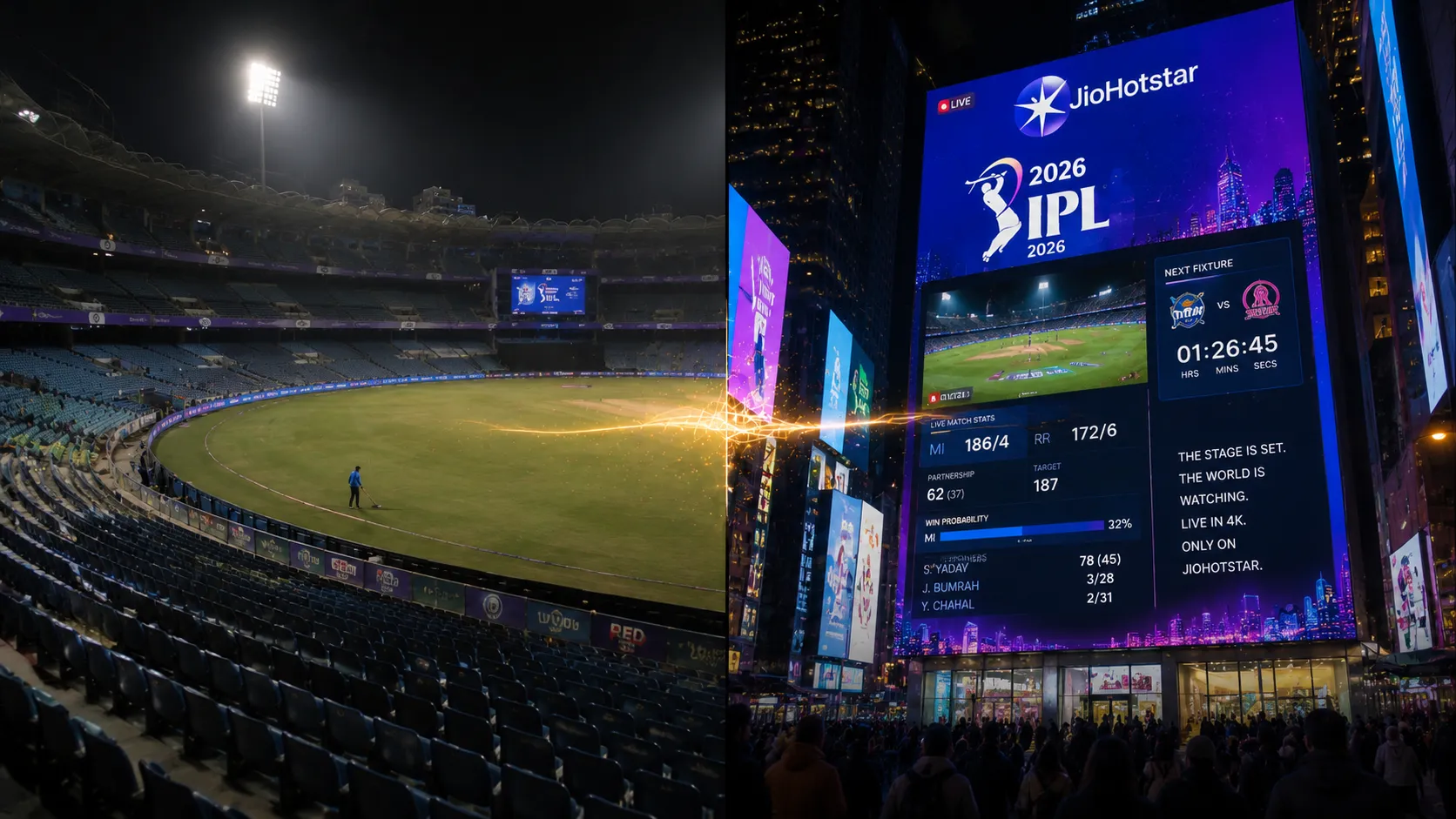
The ₹23,758 Crore Question: One Year Into JioHotstar's IPL Bet, the Subscriber Math Is Brutal—And the Real Winner Isn't Cricket
MagazineMay 30, 2026

The ₹23,758 Crore Question: One Year Into JioHotstar's IPL Bet, the Subscriber Math Is Brutal—And the Real Winner Isn't Cricket

In June 2022, when the Board of Control for Cricket in India opened the digital rights for the Indian Premier League to a global auction, the outcome was treated, by most of the business press, as a moment of collective corporate insanity. The rights were sold for ₹23,758 crore—roughly $2.9 billion—to Viacom18, a Reliance‑backed media company that had never operated a major streaming platform and that had no obvious path to recouping an investment that was, by any conventional measure, economically irrational. The analysts who covered the media sector published notes with titles like "Winning the Auction, Losing the War." The executives at Disney+ Hotstar, which had lost the rights after dominating the IPL's digital audience for years, told journalists that the price made no sense. The conventional wisdom was unanimous: Reliance had overpaid. The market would punish the overpayment. The IPL rights were a trophy asset, and trophies are not investments.

The K‑Drama Invasion: Korean Content Now Commands 12% of Indian Streaming Hours—And Bollywood Never Saw It Coming
MagazineMay 30, 2026

The K‑Drama Invasion: Korean Content Now Commands 12% of Indian Streaming Hours—And Bollywood Never Saw It Coming

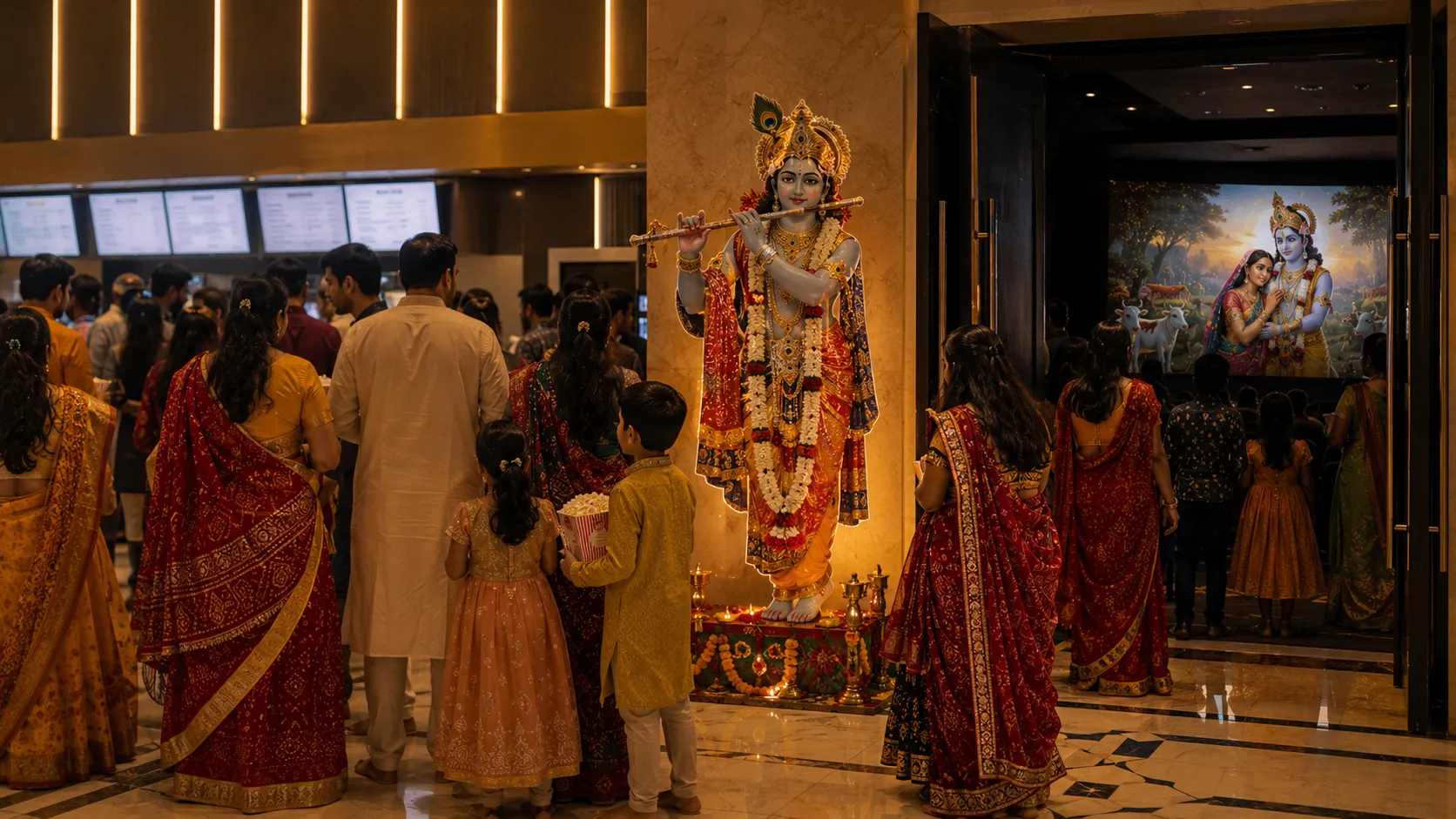
In 2019, a Korean‑language romantic drama called Crash Landing on You was released on Netflix to a global audience that was, at the time, primarily Asian and diasporic. It was subtitled in over 30 languages, but it was not expected to travel well in India—a market that had, for decades, been defined by the dominance of local‑language content, by the cultural primacy of Bollywood, and by an audience that was assumed to be resistant to foreign‑language entertainment. The assumption was wrong. Crash Landing on You became the most‑watched international series on Netflix in India in 2020, and it launched a wave of Korean‑content consumption that has, in the six years since, reshaped the Indian streaming landscape. By Q1 2026, Korean content—dramas, films, reality shows—accounted for approximately 12 percent of all streaming hours consumed in India, a figure that is larger than the combined share of all other non‑Indian content. The K‑drama, which was once a niche enthusiasm for a small, digitally connected audience, has become a mainstream cultural force—and Bollywood, which spent the past decade worrying about Hollywood, has discovered that the real competition was coming from Seoul.

The ₹5 Crore Miracle: How a Gujarati Film Just Crossed ₹100 Crore—And What It Reveals About India's Most Overlooked Film Industry
MagazineMay 30, 2026

The ₹5 Crore Miracle: How a Gujarati Film Just Crossed ₹100 Crore—And What It Reveals About India's Most Overlooked Film Industry

For most of Indian cinema's history, the Gujarati film industry has been an afterthought. It produced films for a regional audience that was assumed to be small, price‑sensitive, and culturally conservative—an audience that would watch a Gujarati film if it was convenient, but that would not seek one out. The industry's output was modest: a few dozen films a year, produced on shoestring budgets, screened in a handful of theatres, and forgotten within weeks of their release. The last time a Gujarati film had earned ₹100 crore at the box office was never—because no Gujarati film had ever done so. The industry was not in decline. It was in a state of permanent, unremarkable stasis.

The Nostalgia Goldmine: How a 1995 Salman Khan Film Just Earned ₹85 Crore in a Re‑Release—And Why Old Blockbusters Are Suddenly Out‑Earning New Ones
MagazineMay 30, 2026

The Nostalgia Goldmine: How a 1995 Salman Khan Film Just Earned ₹85 Crore in a Re‑Release—And Why Old Blockbusters Are Suddenly Out‑Earning New Ones

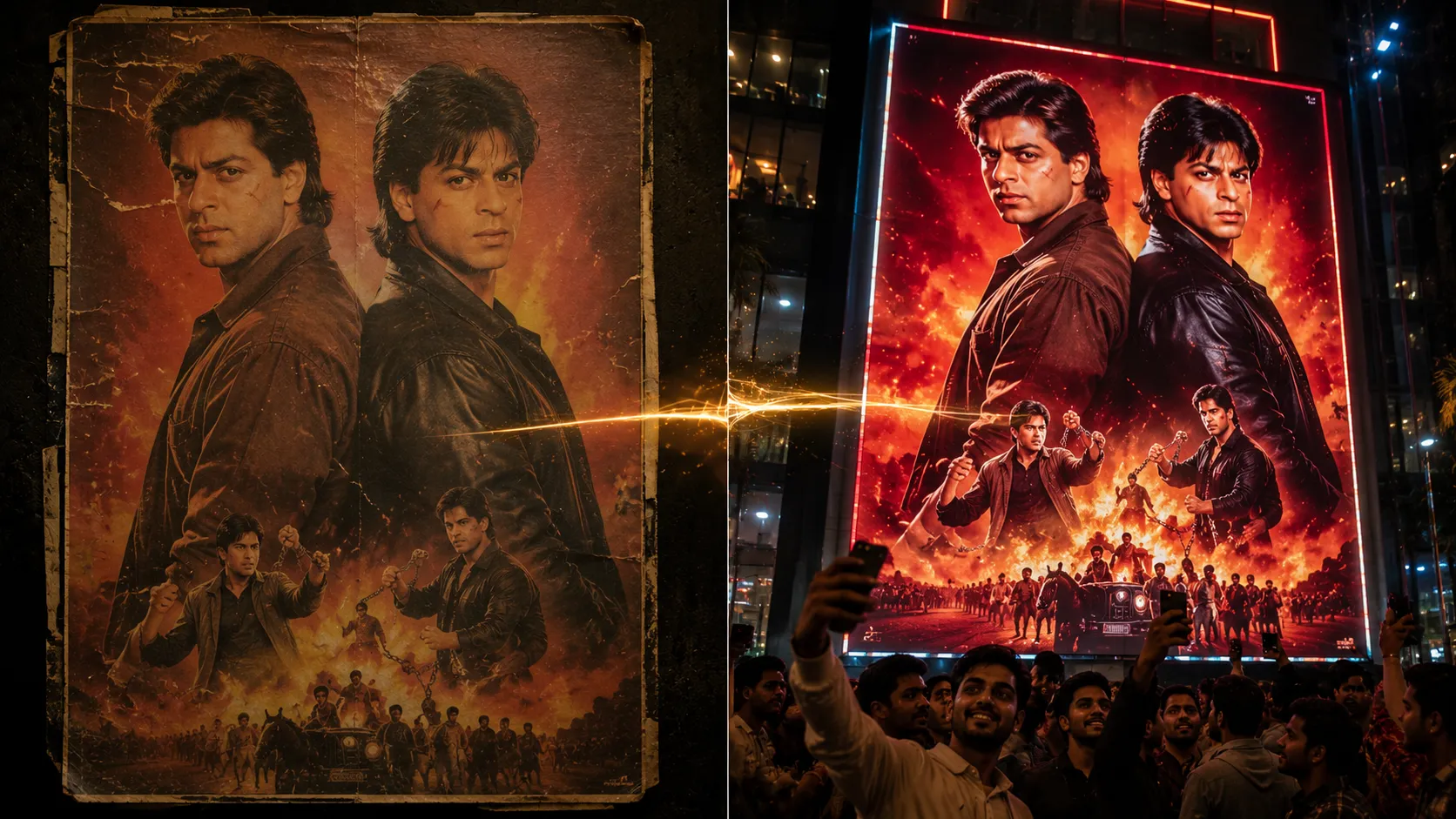
On a Friday evening three weeks ago, a 31‑year‑old film opened in 1,200 theatres across India. It had no marketing campaign beyond a single Instagram post from its lead actor. It had no new visual effects, no remastered soundtrack, no added scenes. It was the same film that had released in 1995—the same grainy print, the same dated special effects, the same dialogue that a generation of Indians had memorised on VHS tapes and DVD players. The film was Karan Arjun. By Sunday night, it had earned ₹28 crore net at the domestic box office—a figure that exceeded the opening‑weekend collections of all but two new Hindi releases that month. By the end of its second week, it had crossed ₹85 crore, and the trade analysts who had once dismissed the re‑release trend as a pandemic‑era curiosity were scrambling to revise their models.

The Star Wars of North Madras
MagazineMay 29, 2026

The Star Wars of North Madras

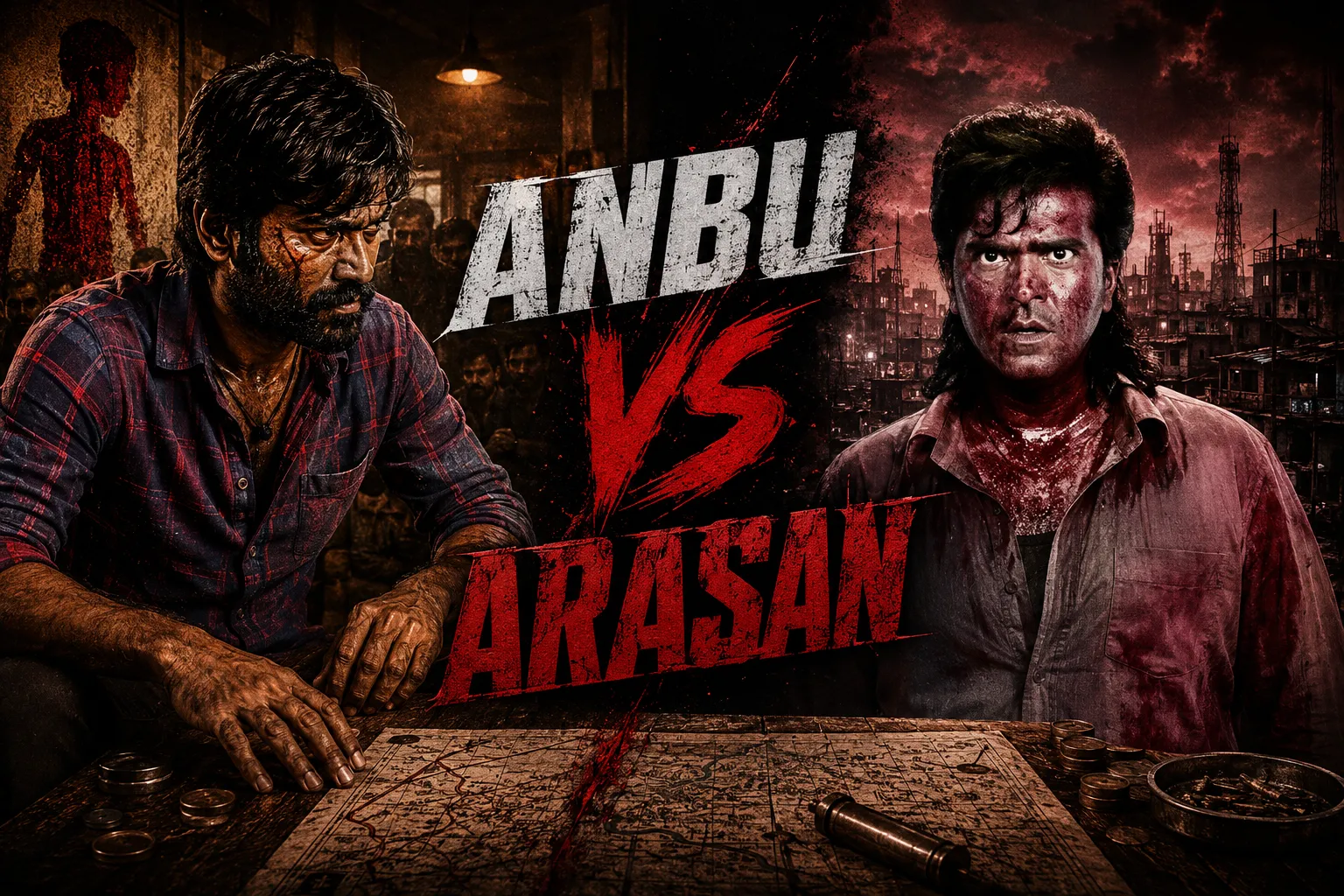
Sometime in the spring of 2025, a conversation took place in a production office on the outskirts of Chennai that, in retrospect, will be remembered as the moment the Tamil film industry’s most ambitious intellectual‑property project pivoted from a trilogy into a cinematic universe. The conversation was between Vetrimaaran, the director who had been developing the Vada Chennai saga for more than a decade, and the leadership of DhanuProductions, the studio that owned the franchise. The subject was the casting of a single role—the antagonist who would drive the second and third instalments of the trilogy, the rival gang leader whose decades‑long conflict with Dhanush’s Anbu would be the engine of the franchise’s narrative arc. The name they discussed, according to two people familiar with the meeting, was Silambarasan T. R.—Simbu, the actor whose career had been transformed by the success of Maanaadu (2021) and Vendhu Thanindhathu Kaadu (2022), and whose star power, combined with Dhanush’s, would create a two‑hero dynamic that the Tamil film industry had not seen since the era of Rajinikanth and Kamal Haasan.

The ₹500 Crore Wedding: How Bollywood's Marriage Industrial Complex Became India's Most Lucrative Unregulated Economy
MagazineMay 29, 2026

The ₹500 Crore Wedding: How Bollywood's Marriage Industrial Complex Became India's Most Lucrative Unregulated Economy

On a December evening in 2025, a Bollywood actor who had appeared in two moderately successful films that year married his longtime partner at a heritage palace in Rajasthan. The wedding was attended by approximately 400 guests, lasted three days, and featured performances by two of the most famous playback singers in the country. The bride's lehenga, designed by a leading couturier, cost approximately ₹75 lakh. The groom's sherwani, by a different designer, cost ₹35 lakh. The floral arrangements, imported from the Netherlands and Thailand, cost ₹2 crore. The catering, by a celebrity chef, cost ₹3 crore.

The 60‑Second Empire: How India's Microdrama Gold Rush Is Creating a New Generation of Celebrity Entrepreneurs—And Reshaping the Economics of Entertainment Itself
MagazineMay 29, 2026

The 60‑Second Empire: How India's Microdrama Gold Rush Is Creating a New Generation of Celebrity Entrepreneurs—And Reshaping the Economics of Entertainment Itself

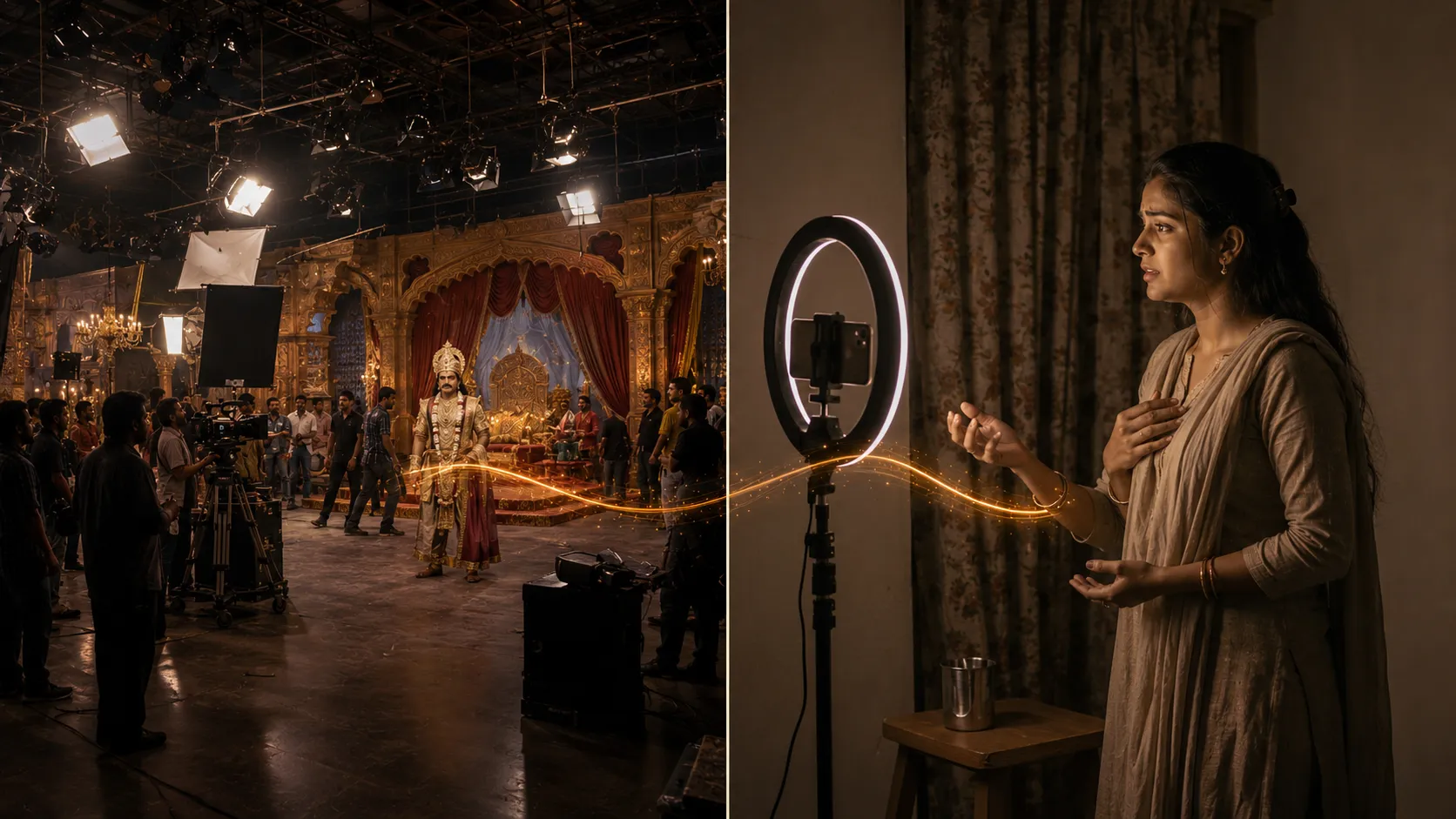
Sometime in the spring of 2025, a 23‑year‑old from Indore with no film training, no industry connections, and no budget beyond a smartphone and a ring light uploaded a 90‑second video to a platform called Jio Tadka. The video—a melodramatic confrontation between a young woman and her mother‑in‑law, performed in Hindi with a plot twist that would make a television writer blush—was watched 4.7 million times in its first 48 hours. The platform paid her ₹18,000 for the performance, a fraction of what a single day's shooting on a television serial would earn. She uploaded another video the following day. And the day after that. Within six months, she was earning ₹3 lakh a month, supporting her entire family, and fielding calls from talent agencies that had once ignored her existence.

The Sneaker War: How Hrithik Roshan, Tiger Shroff, and Virat Kohli Turned Indian Athleisure Into a ₹500 Crore Battleground—And Why the Real Winner Isn't a Bollywood Star
MagazineMay 29, 2026

The Sneaker War: How Hrithik Roshan, Tiger Shroff, and Virat Kohli Turned Indian Athleisure Into a ₹500 Crore Battleground—And Why the Real Winner Isn't a Bollywood Star

In 2013, a Bollywood star launched an athleisure brand with a simple proposition: Indian men who went to the gym deserved clothes that looked as good as they felt. The star was Hrithik Roshan. The brand was HRX. And the launch, which consisted of a modest collection of T‑shirts, track pants, and training shoes sold through a single e‑commerce partnership, was so low‑key that most of the fashion industry barely noticed it. Thirteen years later, HRX is a ₹300 crore brand sold through more than 200 exclusive outlets and every major e‑commerce platform in the country. It has expanded into footwear, accessories, and a growing range of fitness equipment. It has spawned a half‑dozen competitors, each launched by a celebrity who saw what Hrithik had built and decided they wanted a piece of it. And it has become the anchor of a celebrity‑athleisure market that is now conservatively estimated at over ₹500 crore—a market that barely existed a decade ago, and that is now one of the most competitive segments in the Indian consumer economy.

Load More Results