Results (1039 found)

The Gene Scissors: How a Coimbatore Biotech Startup Is Rewriting the DNA of India's Crops—And the Farmers Who Are Betting Their Harvest on It
StartupsMay 31, 2026

The Gene Scissors: How a Coimbatore Biotech Startup Is Rewriting the DNA of India's Crops—And the Farmers Who Are Betting Their Harvest on It

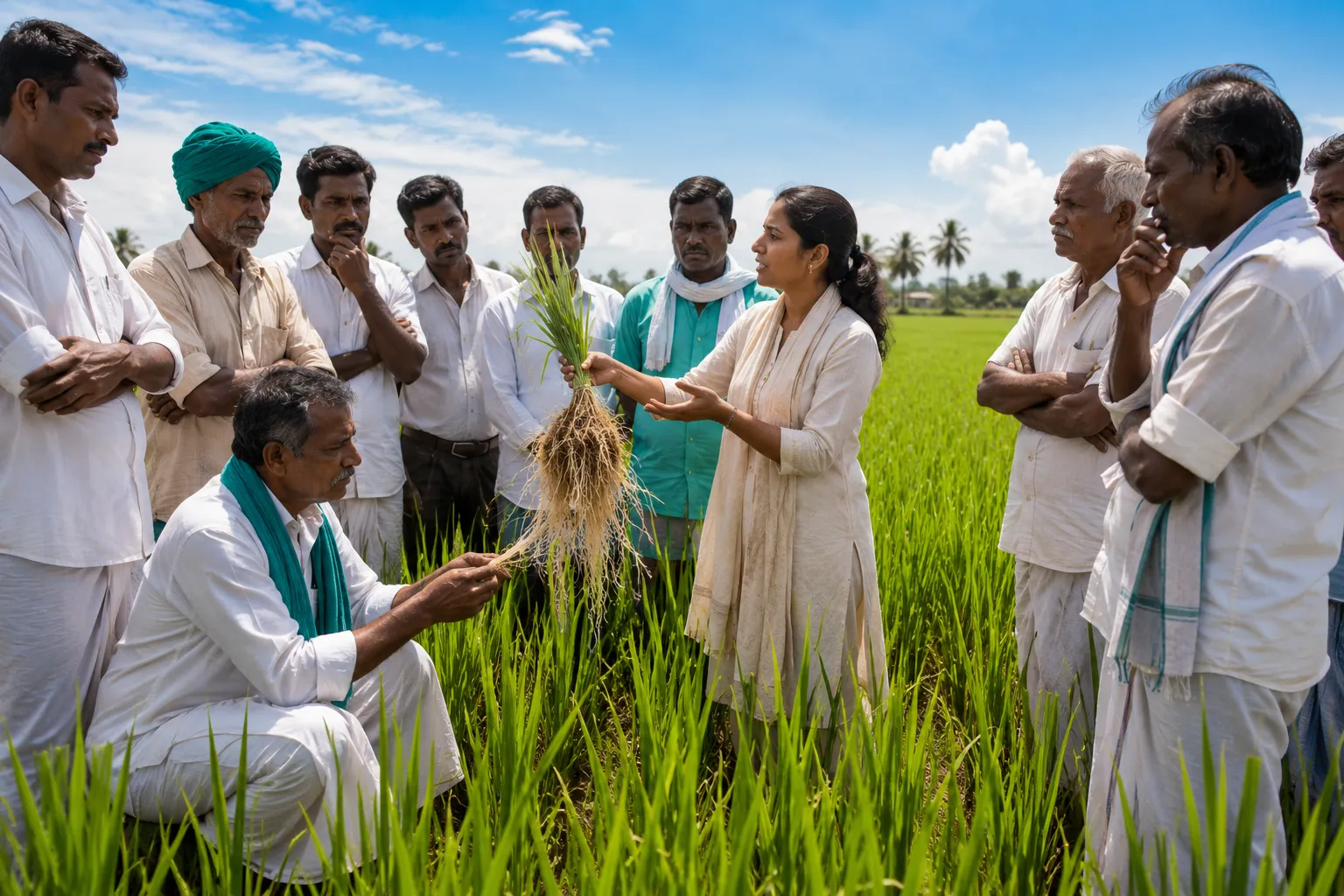
In a modest greenhouse on the outskirts of Coimbatore, beneath rows of LED lights that mimic the spectrum of the Tamil Nadu sun, a crop of rice is growing that is unlike any rice that has ever been grown on the subcontinent. Its leaves are a deeper green, its stalks are thicker, and its roots—visible through a transparent panel in the soil bed—are longer and denser than those of the conventional variety that farmers in the Cauvery delta have been planting for generations. The difference is not the result of traditional cross‑breeding, which takes a decade or more to produce a new variety, nor of transgenic modification, which involves inserting foreign genes into the plant's genome and which has been effectively banned in India for food crops for over a decade. The difference is the result of CRISPR, the gene‑editing technology that allows scientists to make precise, targeted changes to a plant's own DNA—switching off the genes that make it vulnerable to drought, for instance, or enhancing the ones that allow it to absorb nutrients more efficiently—without introducing any foreign genetic material. The rice growing in the Coimbatore greenhouse has been edited, not modified, and the distinction is the foundation of a regulatory revolution that is transforming Indian agriculture.

The Moon Is Now a Startup Market: How a Hyderabad-Based Robotics Company Just Won a $120 Million NASA Contract—And Is Building the Lunar Rovers of the Future
StartupsMay 31, 2026

The Moon Is Now a Startup Market: How a Hyderabad-Based Robotics Company Just Won a $120 Million NASA Contract—And Is Building the Lunar Rovers of the Future

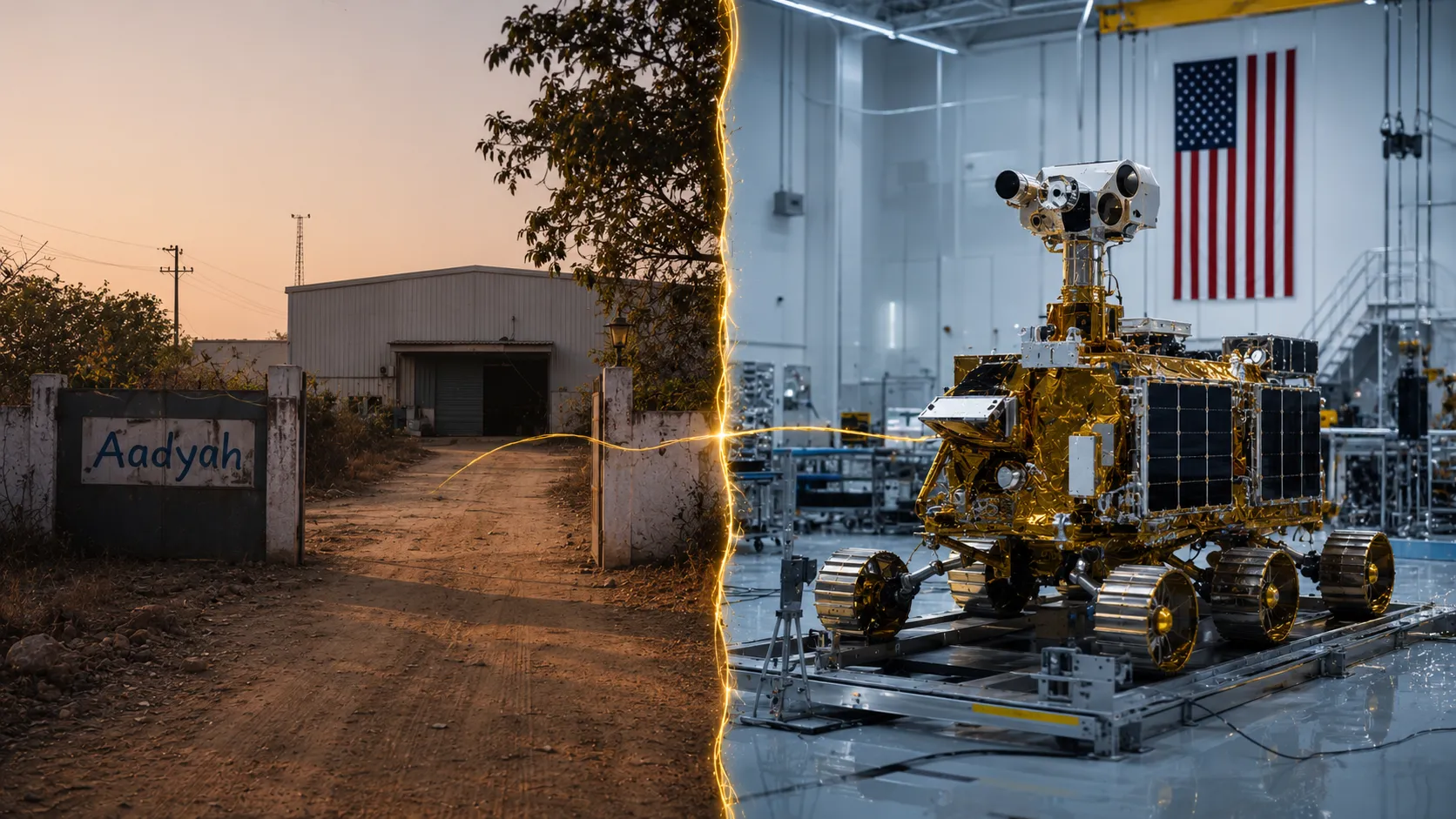
In a modest industrial park on the outskirts of Hyderabad, behind a gate that bears no signage and a security guard who has been instructed to turn away visitors, a team of 87 engineers is building machines that will never operate on Earth. The machines are lunar rovers—autonomous, radiation‑hardened, designed to survive temperatures that swing from 127 degrees Celsius in the lunar day to minus 173 degrees in the lunar night. They are being built for NASA, which awarded the company—Aadyah Space Robotics, a startup that was founded in 2021 by three alumni of the Indian Institute of Technology Madras—a $120 million contract in March 2026 to design, build, and deliver a fleet of four rovers for the Artemis V mission, scheduled to land at the Moon's south pole in 2028.

The Healthtech IPO Wave: PharmEasy, HealthKart, and Lybrate Are All Filing to Go Public—Inside the ₹15,000 Crore Pipeline That's Finally Proving Digital Healthcare Can Make Money
TechMay 30, 2026

The Healthtech IPO Wave: PharmEasy, HealthKart, and Lybrate Are All Filing to Go Public—Inside the ₹15,000 Crore Pipeline That's Finally Proving Digital Healthcare Can Make Money

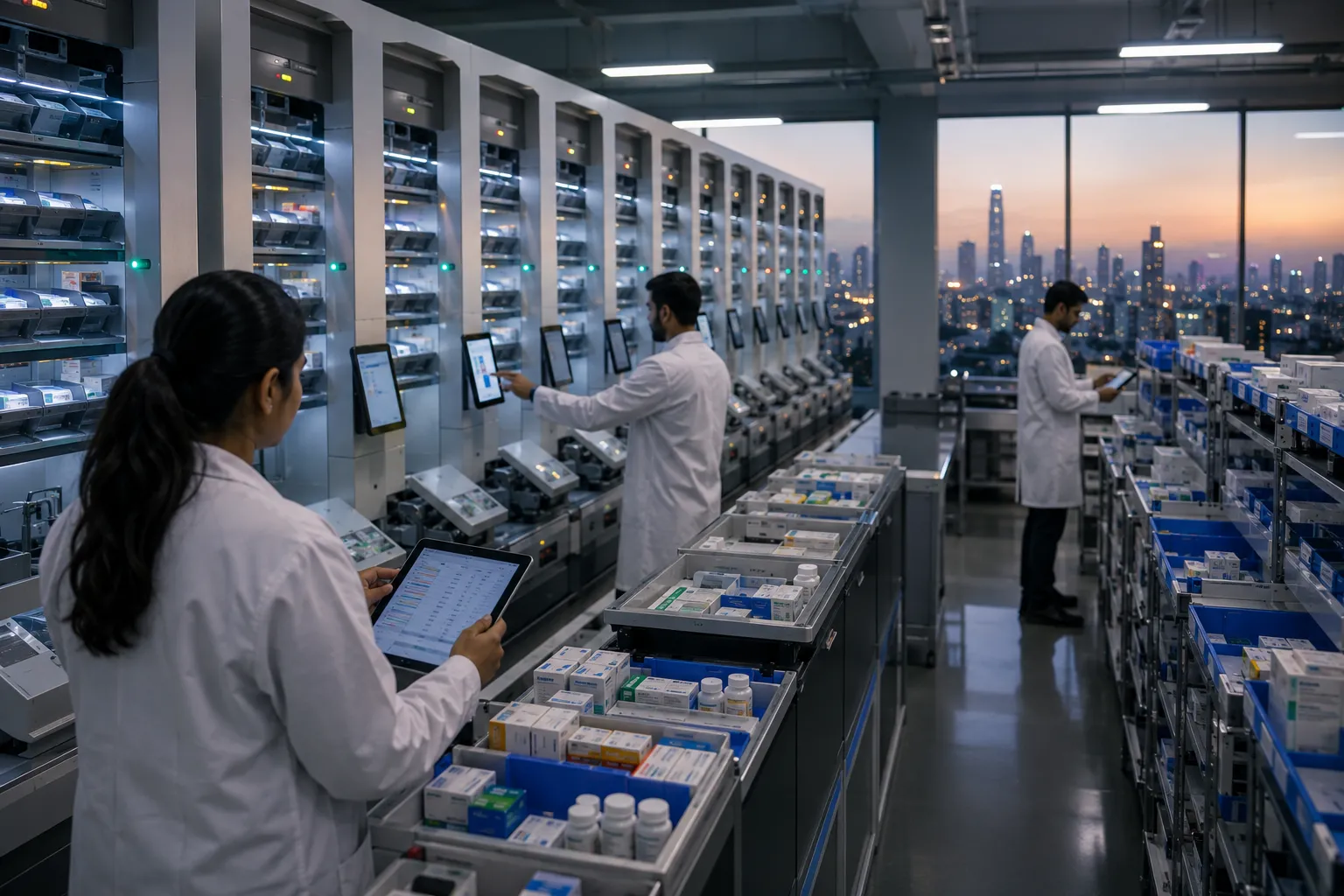
In the winter of 2022, PharmEasy was in trouble. The online pharmacy and diagnostics platform, which had raised over $1.5 billion from investors including TPG, Prosus, and Temasek, had borrowed heavily to finance the acquisition of its largest competitor, Medlife, and then again to acquire the diagnostic chain Thyrocare. The debt was substantial—approximately $300 million—and the company's path to repaying it was uncertain. The IPO that PharmEasy had filed for in 2021 had been withdrawn, a casualty of the market's post‑pandemic repricing of technology stocks. The company's valuation, which had peaked at over $5 billion, was being marked down by its own investors. The financial press was writing its obituary. The narrative was familiar: another Indian startup that had raised too much, spent too fast, and was now facing the consequences.

The Agritech Unicorn Harvest: Four Indian Startups Just Crossed the Billion‑Dollar Mark—And Technology Is Finally Reaching the Farm
TechMay 30, 2026

The Agritech Unicorn Harvest: Four Indian Startups Just Crossed the Billion‑Dollar Mark—And Technology Is Finally Reaching the Farm

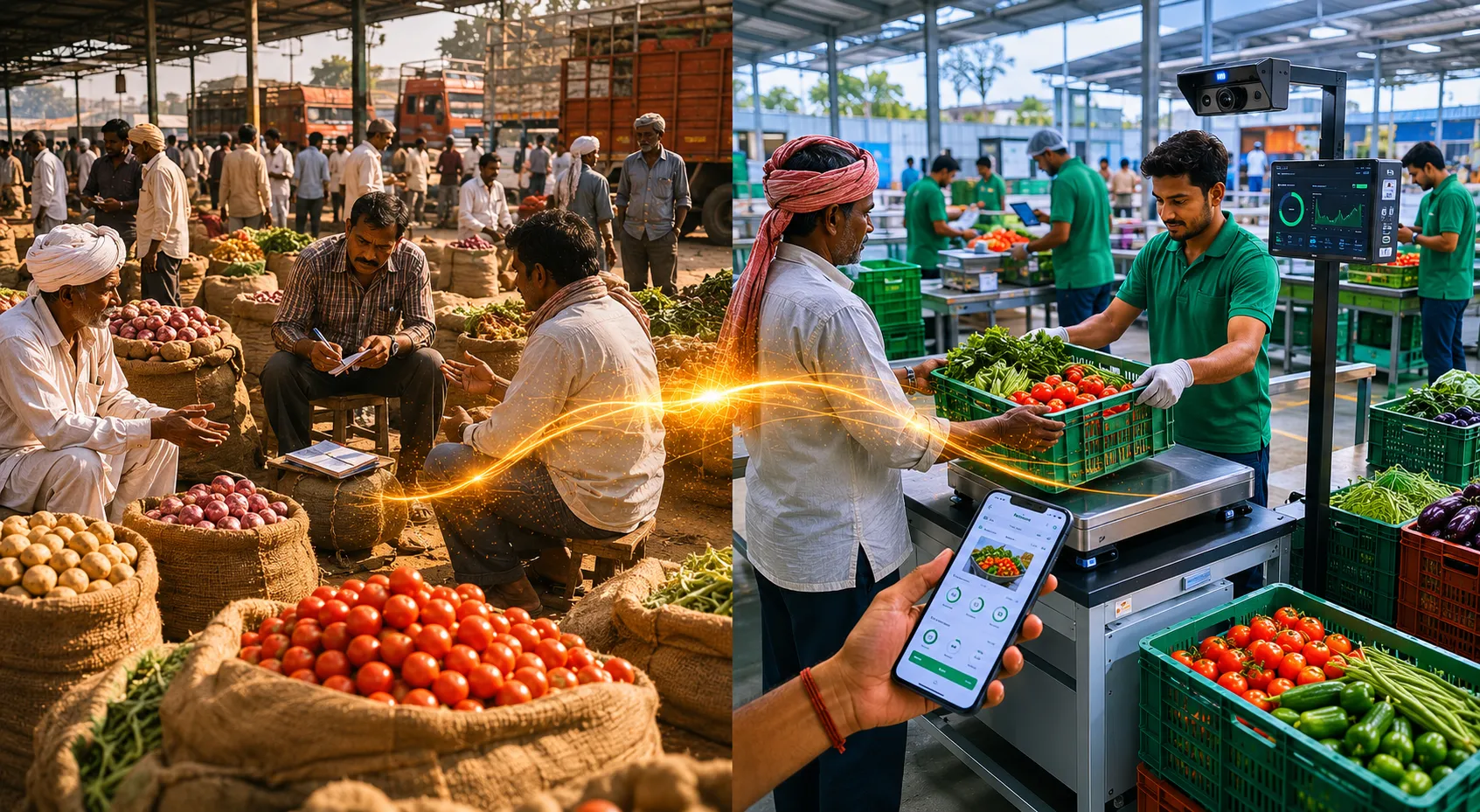
For decades, the Indian agricultural economy has been defined by a single, stubborn paradox. It employs more than 40 percent of the country's workforce, sustains the livelihoods of approximately 150 million households, and generates a gross value added of over ₹50 lakh crore annually. And yet, the technology that has transformed every other sector of the Indian economy—the digital platforms, the data analytics, the supply‑chain automation—has barely touched the farm. The farmer who buys inputs at the local mandi, who depends on the monsoon, who sells his harvest to a middleman at a price he cannot control, is participating in an economy that has remained largely unchanged for a century. The venture capitalists who poured billions into food‑delivery apps and quick‑commerce platforms showed almost no interest in the agricultural supply chain that fed those platforms. The agritech sector was treated as a niche—too small, too difficult, too dependent on the monsoon and the Minimum Support Price to be worth the attention of serious investors.

Load More Results