Results (1039 found)

The Classroom-to-Studio Pipeline: Inside the 15,000 Content Creator Labs That Are Finally Training India's 2 Million AVGC Professionals—and Why Every Studio Is Watching
StartupsMay 30, 2026

The Classroom-to-Studio Pipeline: Inside the 15,000 Content Creator Labs That Are Finally Training India's 2 Million AVGC Professionals—and Why Every Studio Is Watching

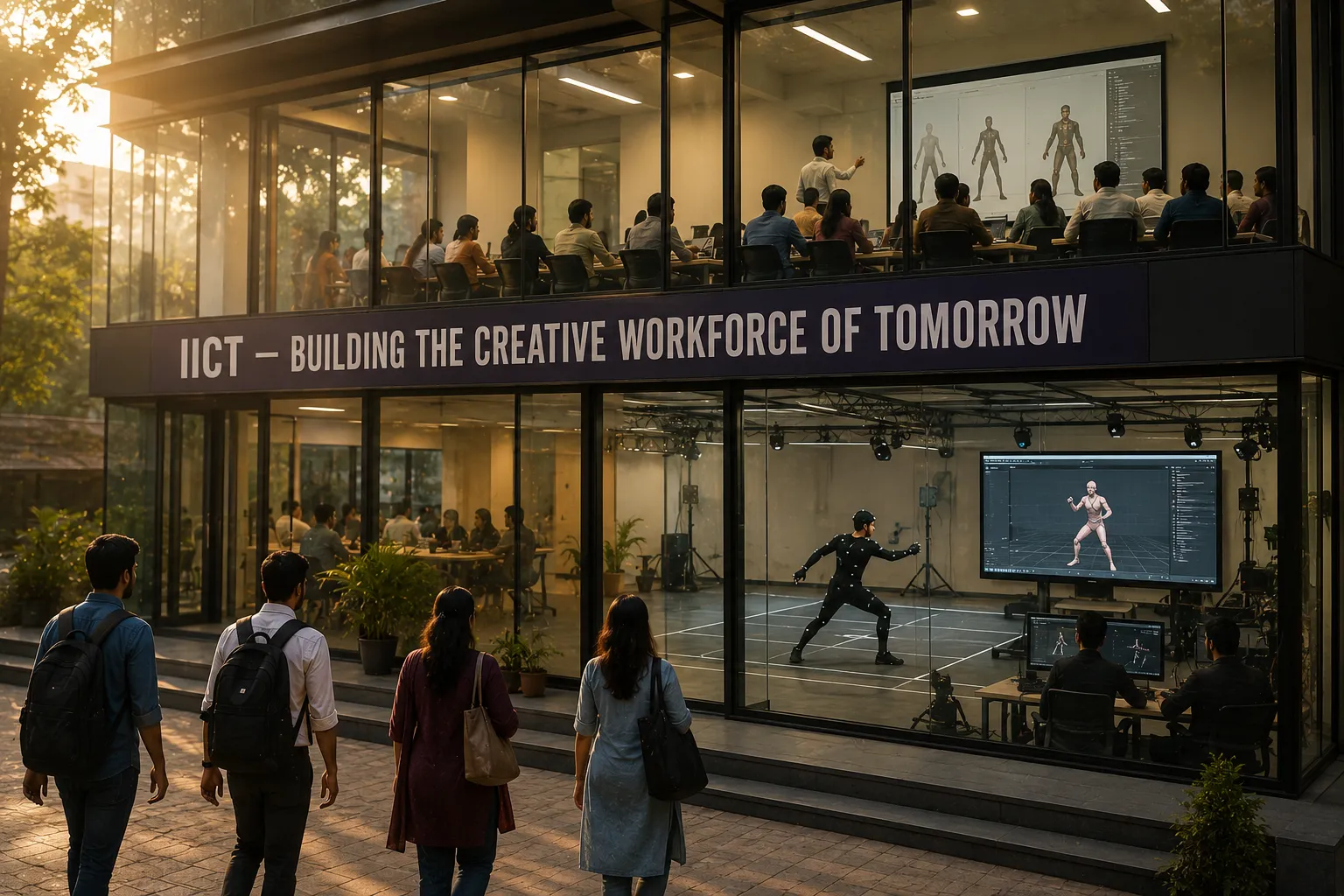
In a brightly lit classroom at a government secondary school in Nashik, a 14‑year‑old girl sits before a graphics tablet, her fingers tracing the contours of a character she is designing for a mobile game that does not yet exist. The software she is using—Blender, an open‑source 3D‑modelling tool—is the same software that professional animators use in the studios of Mumbai, Bengaluru, and Hyderabad. The curriculum she is following was developed by the Indian Institute of Creative Technologies, the national centre of excellence that was established in Mumbai in 2024 to anchor the government's AVGC‑XR talent strategy. Her teacher, a 26‑year‑old who was trained in a six‑month intensive programme at the IICT, is one of approximately 3,000 master trainers who have been deployed across the country since the Content Creator Labs programme became operational in January 2026. The girl's parents, a municipal clerk and a homemaker, have no idea what a "3D modeller" is. They know only that their daughter has been offered a paid internship at a gaming studio in Pune, starting next summer, and that the internship could lead to a job that pays more than either of them has ever earned.
The Algorithm and the State: Inside India's Proposed AI Act That Could Ban Deepfakes, Mandate Watermarking, and Create a New Regulator—And Why Hollywood and Bollywood Are Both Watching
TechMay 30, 2026

The Algorithm and the State: Inside India's Proposed AI Act That Could Ban Deepfakes, Mandate Watermarking, and Create a New Regulator—And Why Hollywood and Bollywood Are Both Watching

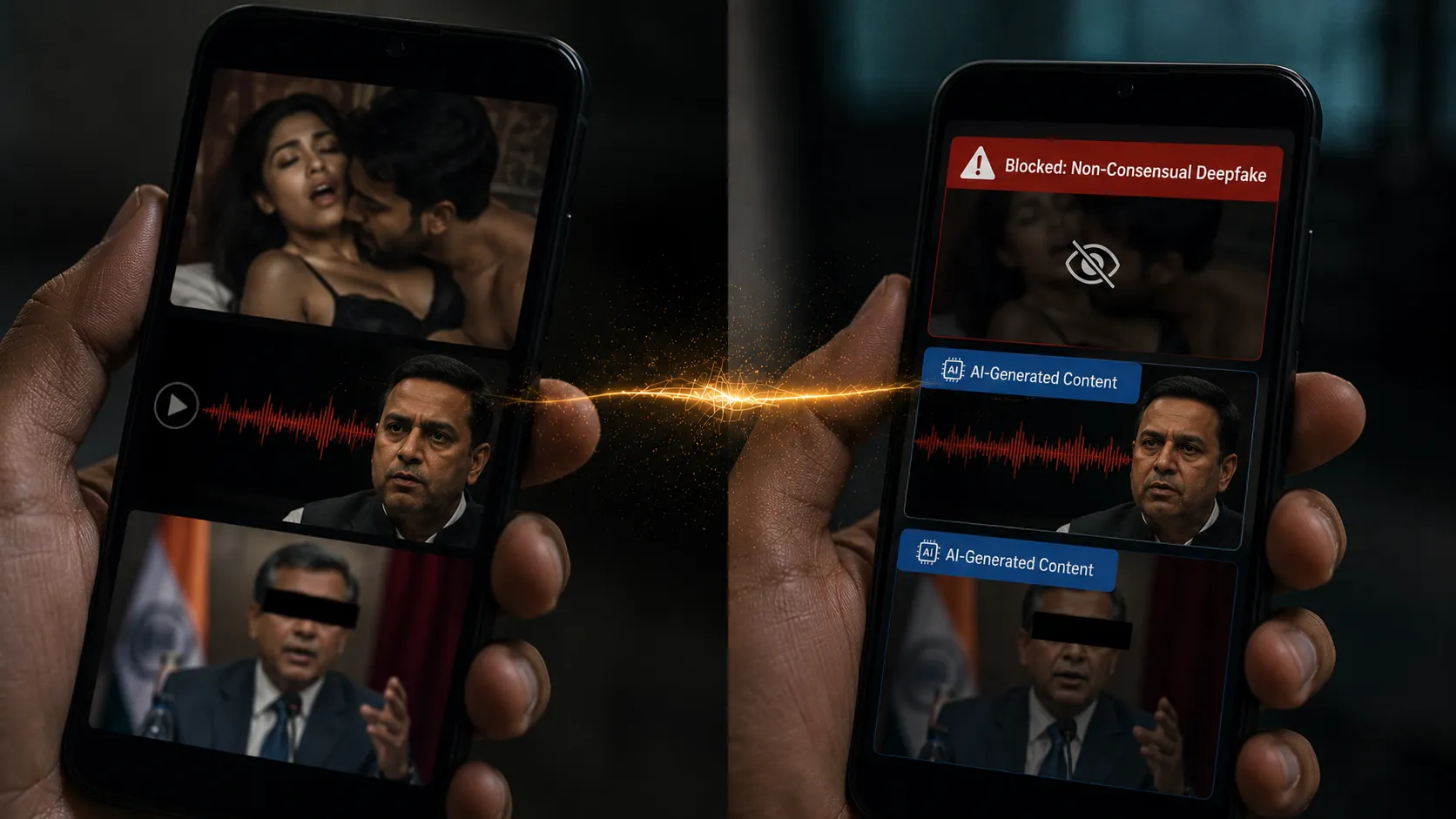
— On the morning of May 28, two days ago, the Ministry of Electronics and Information Technology released a 217‑page draft of legislation that will, if enacted, fundamentally reshape the relationship between artificial intelligence and the Indian state. The Artificial Intelligence (Regulation and Governance) Act, 2026—the "AI Act," as it is already being called—is the most ambitious regulatory intervention in the technology sector that any democratic government has attempted. It proposes to ban certain categories of AI‑generated content, including non‑consensual deepfake pornography and AI‑generated child sexual abuse material. It mandates that all AI‑generated or AI‑assisted content—images, videos, audio, text—that is published or distributed in India be watermarked or labelled in a way that identifies its synthetic origin. It creates a new statutory authority, the Artificial Intelligence Regulatory Authority of India, with the power to license, audit, and sanction the developers and deployers of high‑risk AI systems. And it imposes criminal penalties—including imprisonment—for the most serious violations of its provisions.

The 30,000‑Drone Army: After Years of Regulatory Paralysis, Delivery Drones Are Finally Taking Over Indian Skies—And the Logistics Industry Will Never Be the Same
TechMay 30, 2026

The 30,000‑Drone Army: After Years of Regulatory Paralysis, Delivery Drones Are Finally Taking Over Indian Skies—And the Logistics Industry Will Never Be the Same

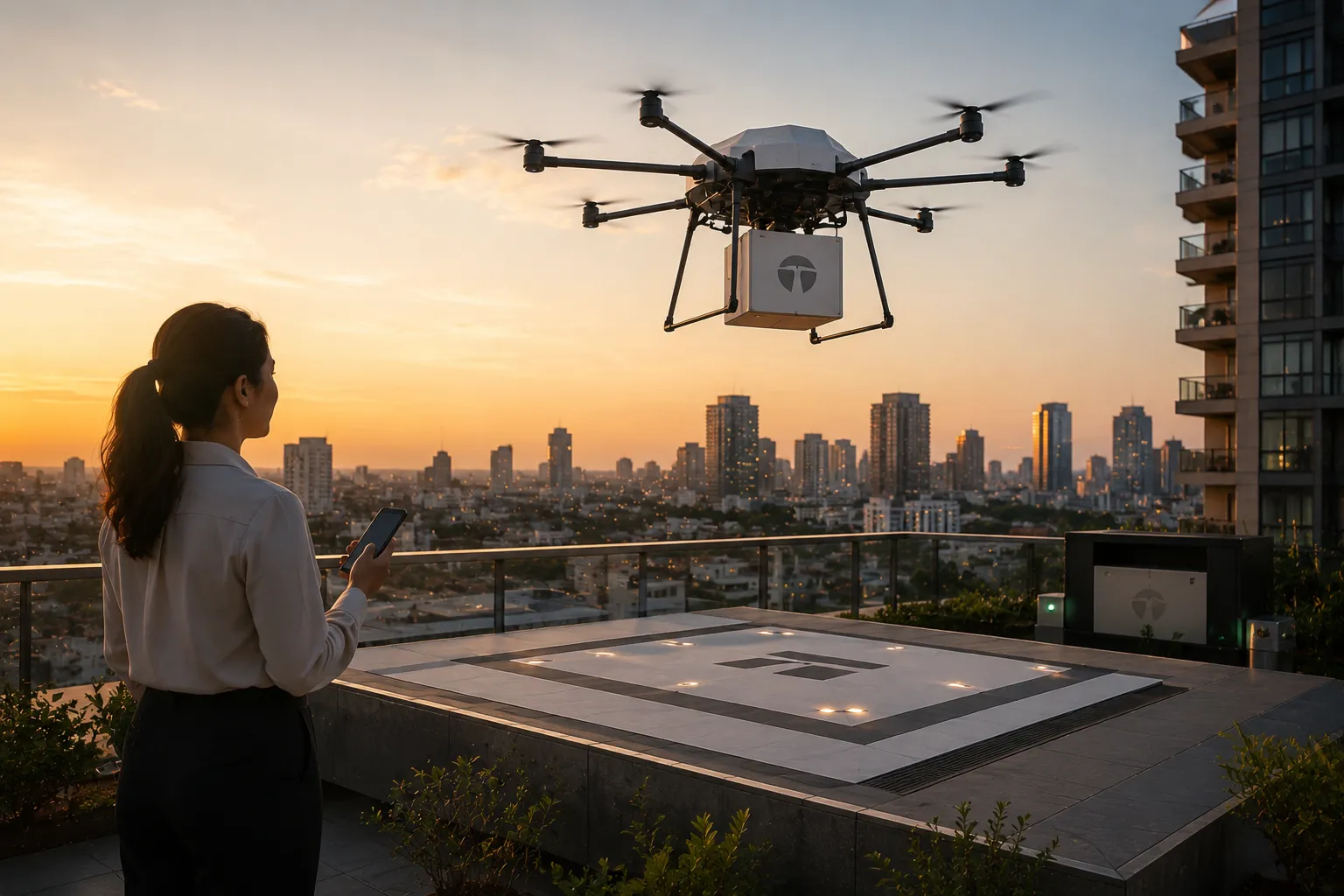
In the summer of 2022, a hexacopter carrying a small package of medicines lifted off from a government hospital in the Vikarabad district of Telangana and flew approximately 15 kilometres to a primary health centre in a remote village that was inaccessible by road during the monsoon. The flight, conducted under a special exemption from the Directorate General of Civil Aviation, was a proof‑of‑concept: a demonstration that an unmanned aerial vehicle could deliver essential medical supplies to a population that was cut off from the conventional logistics network. The drone was operated by a Bengaluru‑based startup called Skye Air Mobility. The flight took 18 minutes. The same delivery by road would have taken four hours. The proof of concept was, by any measure, a success. And then, for three years, nothing happened. The regulatory framework that would allow such flights to scale did not exist. The startups that had developed the technology waited, their drones grounded, their investors impatient, their potential customers—the hospitals, the e‑commerce platforms, the food‑delivery companies—frustrated by the gap between what was technically possible and what was legally permissible.

The Face That Wasn't Hers: How a Bollywood Star's Deepfake Nightmare Is Reshaping the ₹10,000 Crore Endorsement Economy—And the Law Is Scrambling to Catch Up
MagazineMay 30, 2026

The Face That Wasn't Hers: How a Bollywood Star's Deepfake Nightmare Is Reshaping the ₹10,000 Crore Endorsement Economy—And the Law Is Scrambling to Catch Up

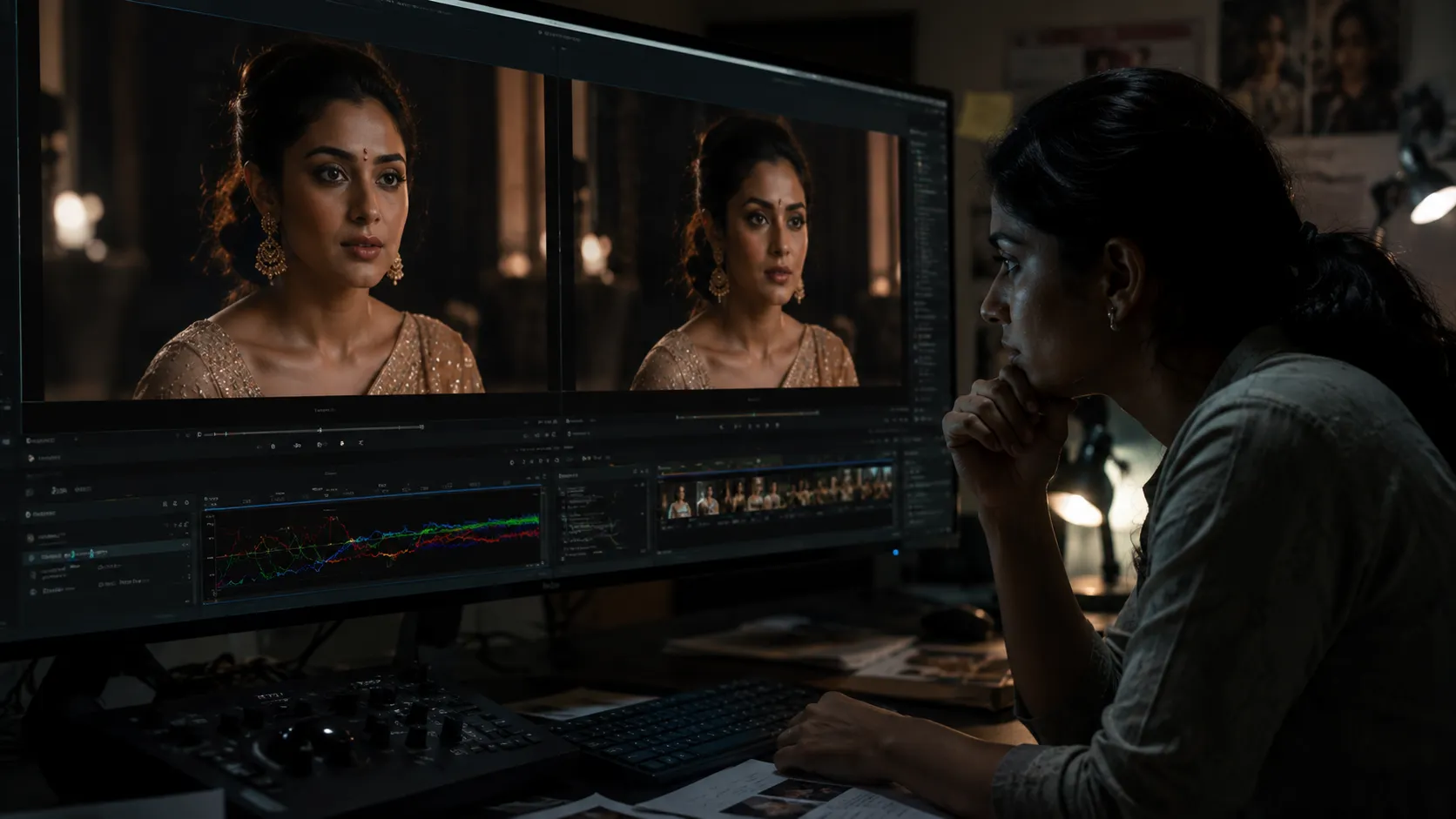
The video appeared on a Tuesday evening in March, uploaded to a fringe pornography site and then, within hours, circulated across WhatsApp groups, Telegram channels, and X. It showed a famous Bollywood actress—one of the most recognisable faces in the country, a woman whose image had been licensed to a dozen major brands, whose endorsement portfolio was valued at over ₹200 crore—engaged in an explicit sexual act. The video was, of course, entirely fabricated. The actress's face had been digitally mapped onto the body of a performer in an existing pornographic video using deepfake technology—the same generative‑AI tools that can now produce photorealistic synthetic media with a sophistication that makes detection difficult and attribution nearly impossible. The actress's legal team sent takedown notices to every platform that was hosting the video. Most of them complied, eventually, but the video had already been downloaded, copied, and re‑uploaded thousands of times. It is still circulating. It will probably circulate forever.

The ₹91,000 Crore Silicon Dream: Tata's Dholera Fab Goes Live—And India Finally Has a Semiconductor Footprint the World Can't Ignore
TechMay 30, 2026

The ₹91,000 Crore Silicon Dream: Tata's Dholera Fab Goes Live—And India Finally Has a Semiconductor Footprint the World Can't Ignore

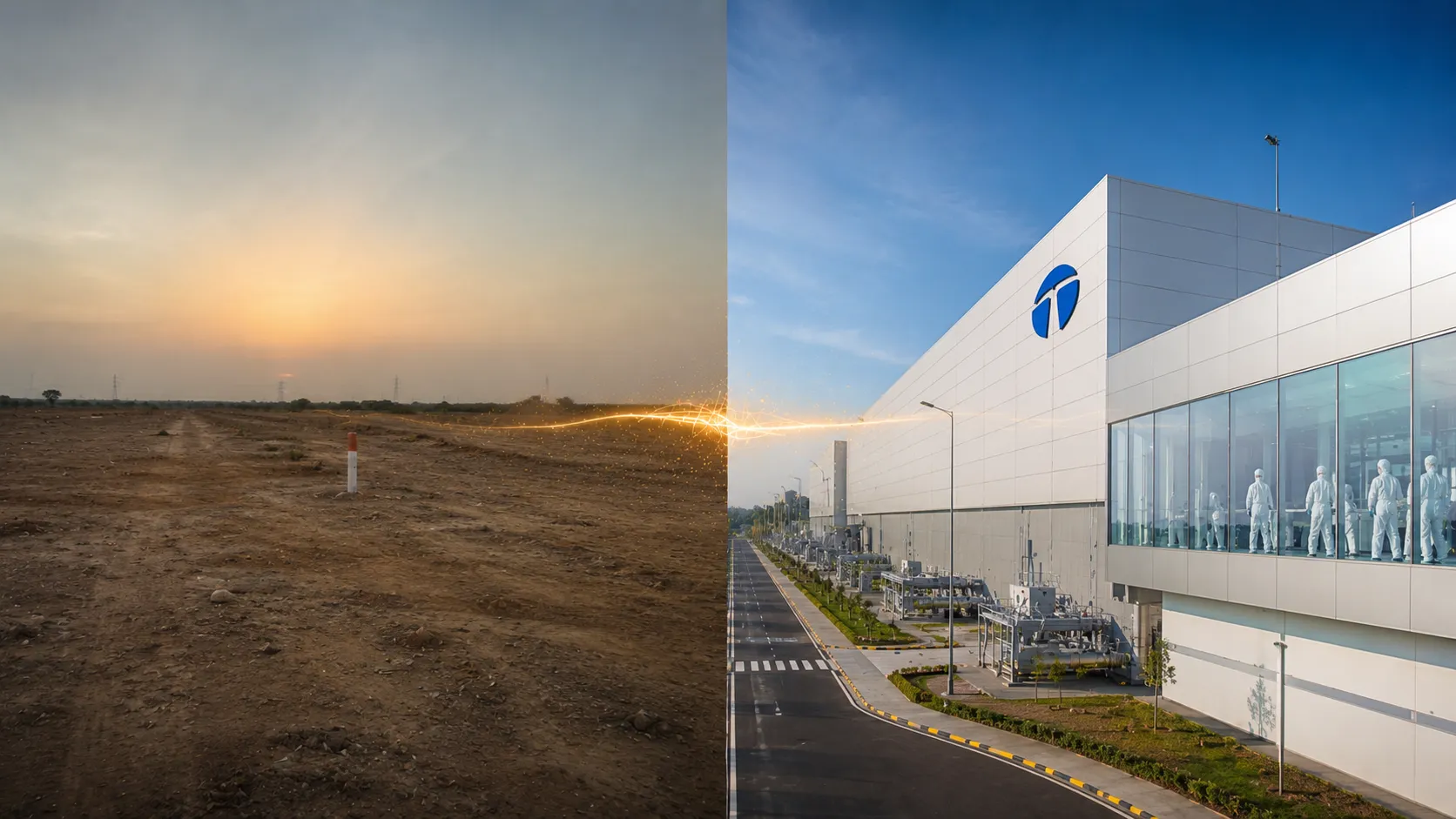
On a Tuesday morning three weeks ago, in a hermetically sealed cleanroom on a 1,200‑acre campus in Gujarat's Dholera Special Investment Region, a robotic arm lifted a 300‑millimetre silicon wafer from a sealed pod and placed it into a lithography machine. The machine—a deep‑ultraviolet scanner, manufactured by ASML and imported from the Netherlands under the technology‑transfer agreement that had taken four years to negotiate—etched the first patterns onto the wafer's surface. The wafer moved through a series of processing stations: deposition, etching, ion implantation, chemical‑mechanical planarisation. Forty‑eight hours later, it emerged as a finished 28‑nanometre chip—the first semiconductor ever manufactured on Indian soil by a commercial fabrication plant. The chip was not cutting‑edge by the standards of TSMC's 3‑nanometre process, but it did not need to be. It was a proof of concept: India, which had spent decades trying and failing to build a domestic semiconductor industry, could finally make a chip.

The Indian SaaS Revolution: Numbers That Shock
TechMay 30, 2026

The Indian SaaS Revolution: Numbers That Shock

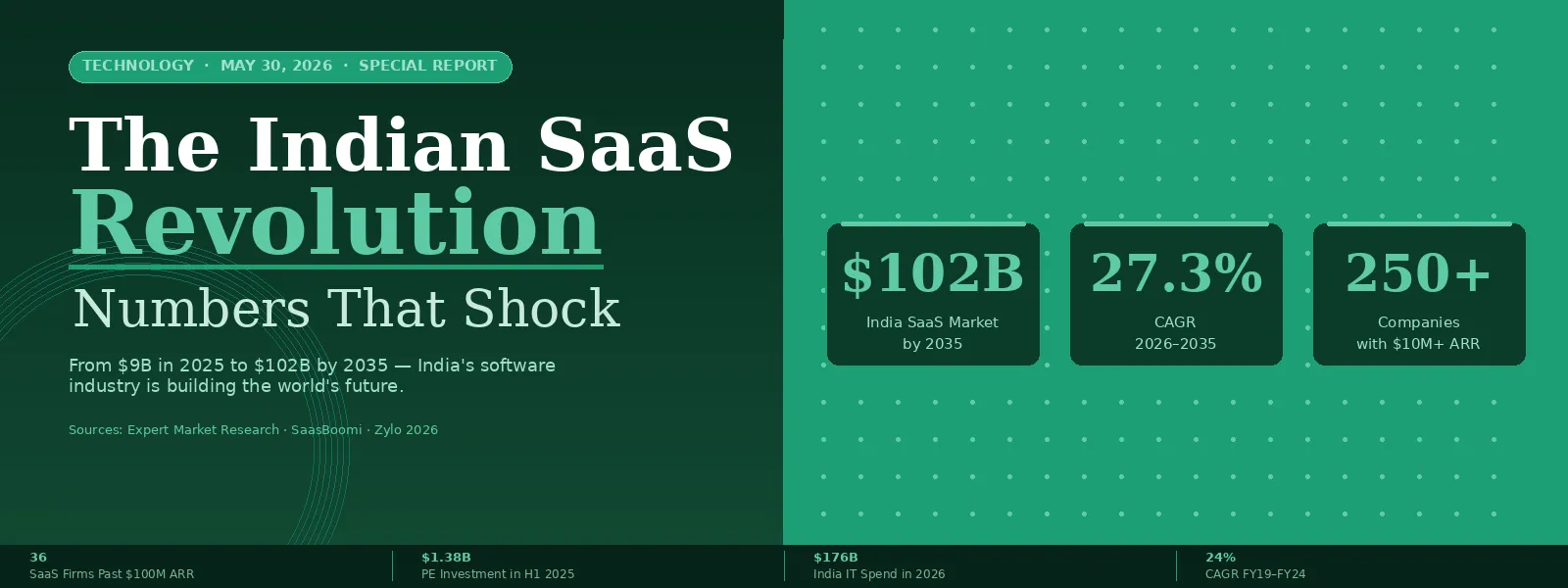
From a $9 billion market in 2025 to a projected $102 billion by 2035, India's software industry is no longer just the world's back office — it's building the world's software.

The ₹300 Crore Bonfire: How a Once‑Promising Bollywood Mini‑Studio Burned Through a Fortune in 18 Months—And What Its Collapse Reveals About the Industry's Broken Economics
TechMay 30, 2026

The ₹300 Crore Bonfire: How a Once‑Promising Bollywood Mini‑Studio Burned Through a Fortune in 18 Months—And What Its Collapse Reveals About the Industry's Broken Economics

The studio had been founded by a successful talent manager who had spent two decades building relationships with the biggest stars in Bollywood, and who had convinced a consortium of high‑net‑worth investors—industrialists, real‑estate developers, a Gulf‑based family office—to back his vision of a new kind of film company: lean, talent‑first, data‑driven, built for the streaming era. The initial capital commitment was ₹300 crore. The slate, announced at a glamorous launch event at a five‑star hotel, included six films—a mix of star‑driven event movies, mid‑budget content‑driven dramas, and a web series for a major streaming platform. The talent manager, now the studio's CEO, told the assembled journalists that his company would be profitable within two years and would challenge the dominance of the legacy studios that had, in his view, grown complacent and inefficient.

The Pan‑Indian Dubbing Economy: How a ₹3 Crore Malayalam Film Earned ₹120 Crore in Hindi—And Why Every Studio Is Now Building a Dubbing Division
TechMay 30, 2026

The Pan‑Indian Dubbing Economy: How a ₹3 Crore Malayalam Film Earned ₹120 Crore in Hindi—And Why Every Studio Is Now Building a Dubbing Division

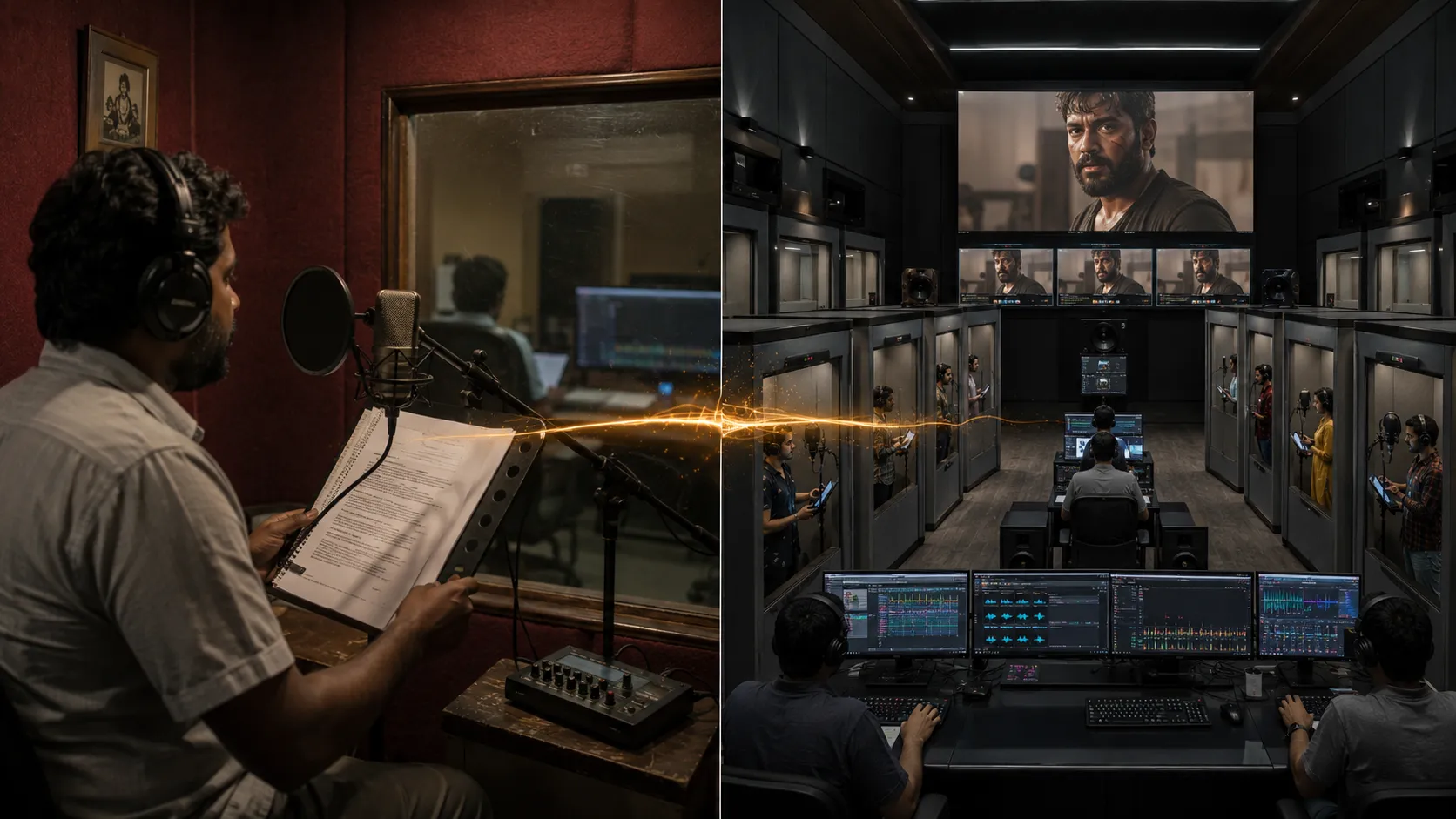
In the winter of 2025, a Malayalam‑language survival thriller called Manjummel Boys was released in Kerala to strong reviews and a respectable ₹35 crore theatrical run. The film—about a group of friends trapped in a cave—was culturally specific, linguistically rooted, and designed primarily for a Malayalam‑speaking audience. Its producers had budgeted approximately ₹3 crore for the Hindi dubbed version, which they assumed would generate modest returns on the satellite and streaming after‑markets. They were wrong. The Hindi dubbed version, released simultaneously with the original, earned ₹120 crore at the North Indian box office—nearly four times the film’s domestic Malayalam gross. The dubbed version accounted for 63 percent of the film’s total all‑India revenue. The producers, who had treated the Hindi dub as an afterthought, are now building an in‑house dubbing division. The Malayalam film that was never supposed to travel has become the most profitable dubbed release in Indian cinema history—and the industry is scrambling to replicate its success.

The Great Fintech Consolidation: Three M&A Deals in One Week—The Era of 100 Indian Fintech Unicorns Is Over. The Era of 20 Giants Has Begun.
StartupsMay 30, 2026

The Great Fintech Consolidation: Three M&A Deals in One Week—The Era of 100 Indian Fintech Unicorns Is Over. The Era of 20 Giants Has Begun.

Sometime in the third week of May 2026, three deals were signed in three different boardrooms that, taken together, will reshape the Indian financial‑technology landscape more profoundly than any single regulatory intervention or market shift of the past decade. On Monday, the digital‑lending platform KreditBee was acquired by a consortium led by Axis Bank and the private‑equity firm ChrysCapital for approximately $1.4 billion. On Wednesday, the insurtech startup Policybazaar, which had been publicly listed since 2021, announced a merger with its long‑time rival Coverfox, creating the largest digital‑insurance distribution platform in India with a combined valuation of approximately $3.8 billion. On Friday, the wealth‑management platform Scripbox was acquired by the mutual‑fund giant HDFC Asset Management for approximately $420 million, bringing the startup's decade‑long independent journey to an end.

The ₹5,000 Crore Battery Swap: How Sun Mobility Built a 600‑Station Network, Changed the Way India Charges Its EVs—and Became a Unicorn While Nobody Was Looking
TechMay 30, 2026

The ₹5,000 Crore Battery Swap: How Sun Mobility Built a 600‑Station Network, Changed the Way India Charges Its EVs—and Became a Unicorn While Nobody Was Looking

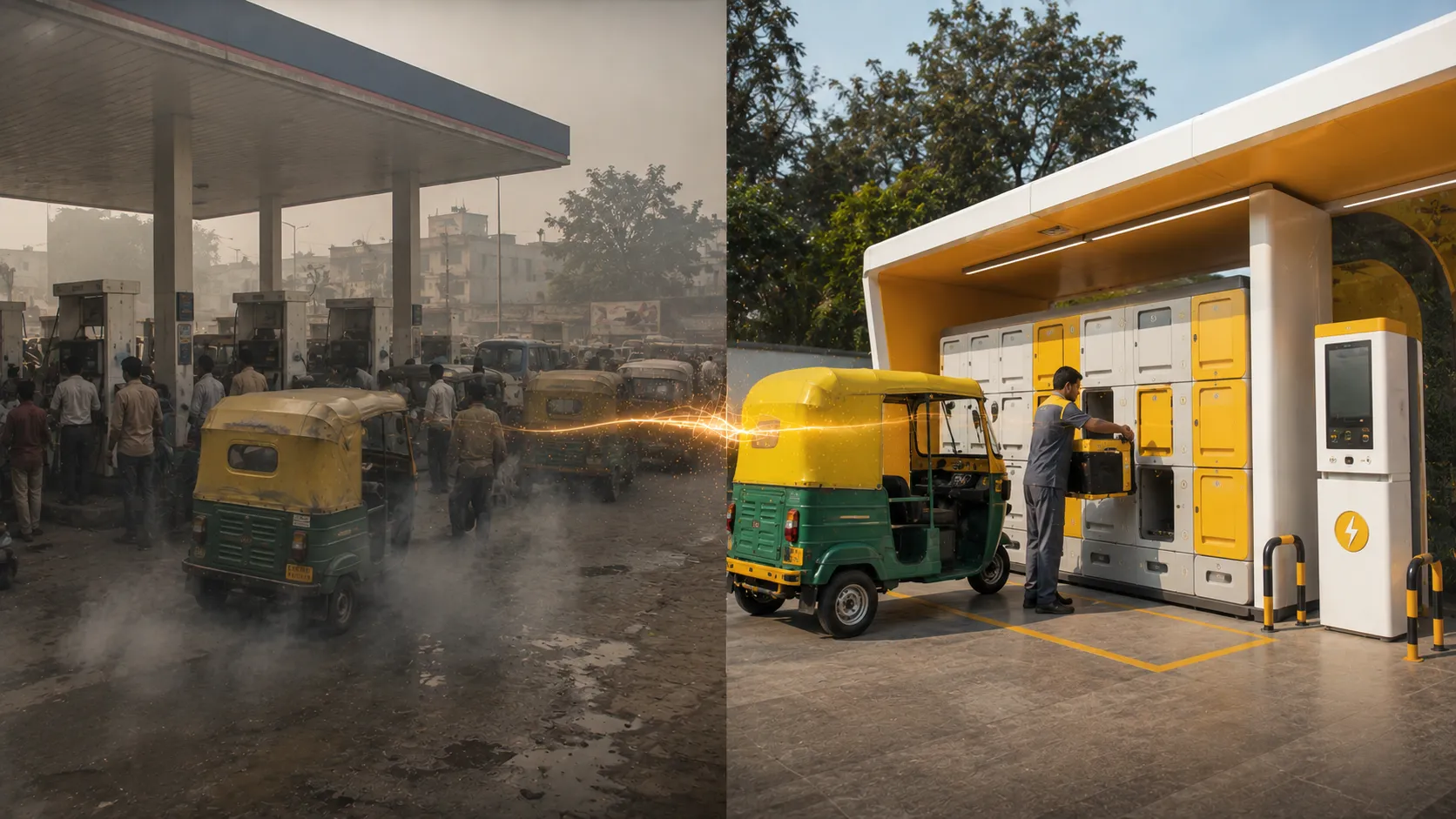
In the autumn of 2022, a tiny electric three‑wheeler pulled into a brightly coloured station on the outskirts of Bengaluru, its battery pack nearly depleted after a morning of ferrying passengers. The driver, who had been operating an electric auto‑rickshaw for approximately six months, did not plug the vehicle into a charger and wait. He removed the drained battery, lifted a fully charged replacement from a locker, slid it into the vehicle, and was back on the road in under two minutes. The station was operated by Sun Mobility, a Bengaluru‑based startup that had been founded five years earlier by Chetan Maini—the man who had built India's first electric car, the Reva—and Uday Khemka, a vice‑chairman of the SUN Group. The company's proposition was simple: electric‑vehicle batteries should be swapped, not charged. The swap should take less time than filling a tank of petrol. And the battery should be owned by the company, not by the driver, reducing the upfront cost of the vehicle and eliminating the single largest barrier to EV adoption in India.

Load More Results