Results (1039 found)

The Ocean's Lungs Are Changing: How Underwater Forests Are Being Rebuilt by Robot Hands and Ancient Seeds
TechMay 26, 2026

The Ocean's Lungs Are Changing: How Underwater Forests Are Being Rebuilt by Robot Hands and Ancient Seeds

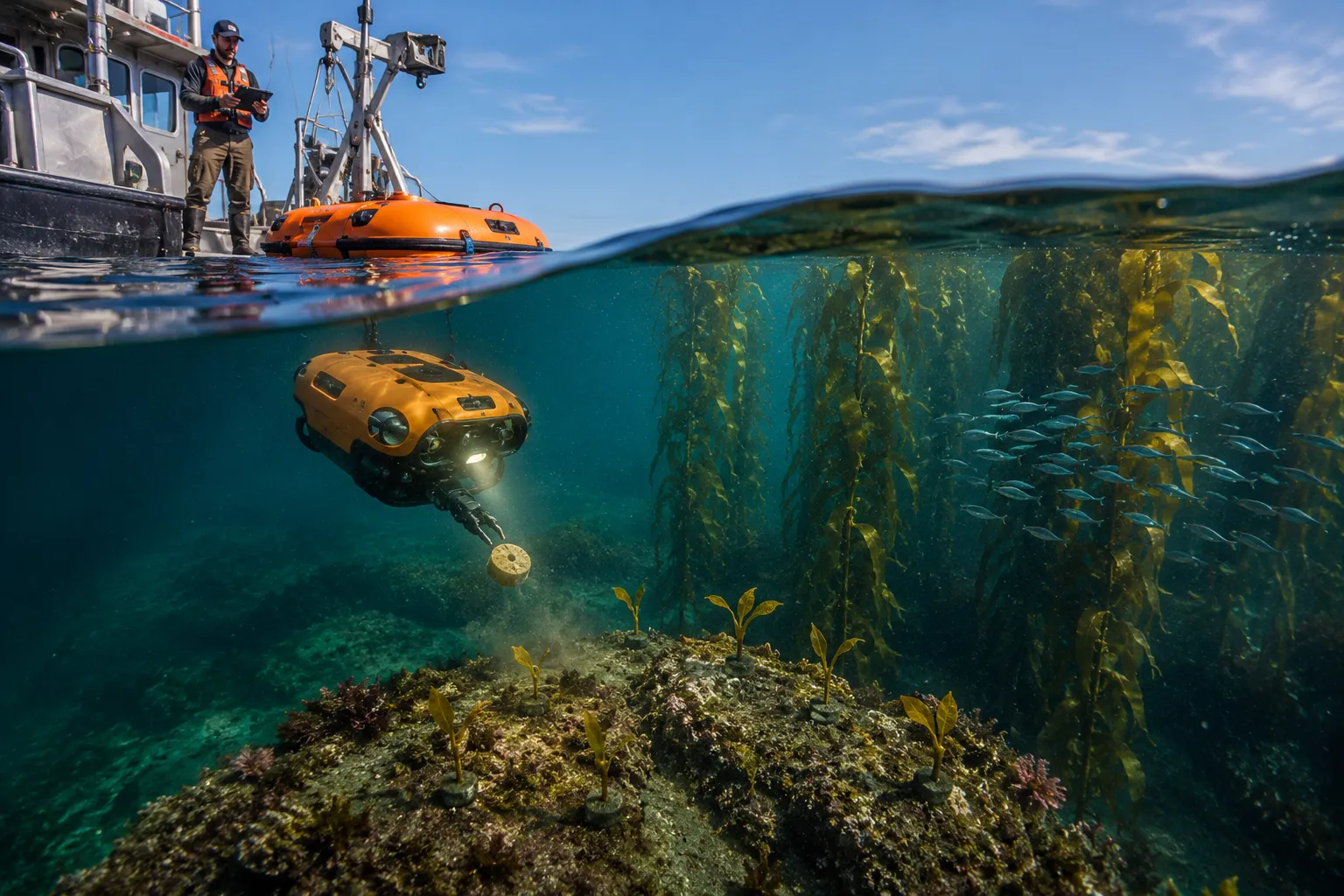
The robot dives without hesitation. It is shaped like a torpedo, painted bright orange, and guided by a single onboard camera and a set of inertial sensors. Thirty feet below the surface, in water so cold it aches, the robot reaches its target: a bare rock outcrop on a seafloor that was once a dense, swaying forest of sugar kelp. From a storage bay, the robot releases a small biodegradable disk. The disk contains a young kelp sporophyte, no larger than a grain of rice, attached to a short length of twine. The robot presses the disk against the rock, fires a single biodegradable nail, and moves to the next coordinate. In six hours, it will plant 10,000 of these disks. In three months, if all goes well, the rocks will be covered in golden-brown fronds, and the fish will begin to return.
The Mycelium Underground: How Fungal Networks Are Becoming the World's Smartest Infrastructure
TechMay 26, 2026

The Mycelium Underground: How Fungal Networks Are Becoming the World's Smartest Infrastructure

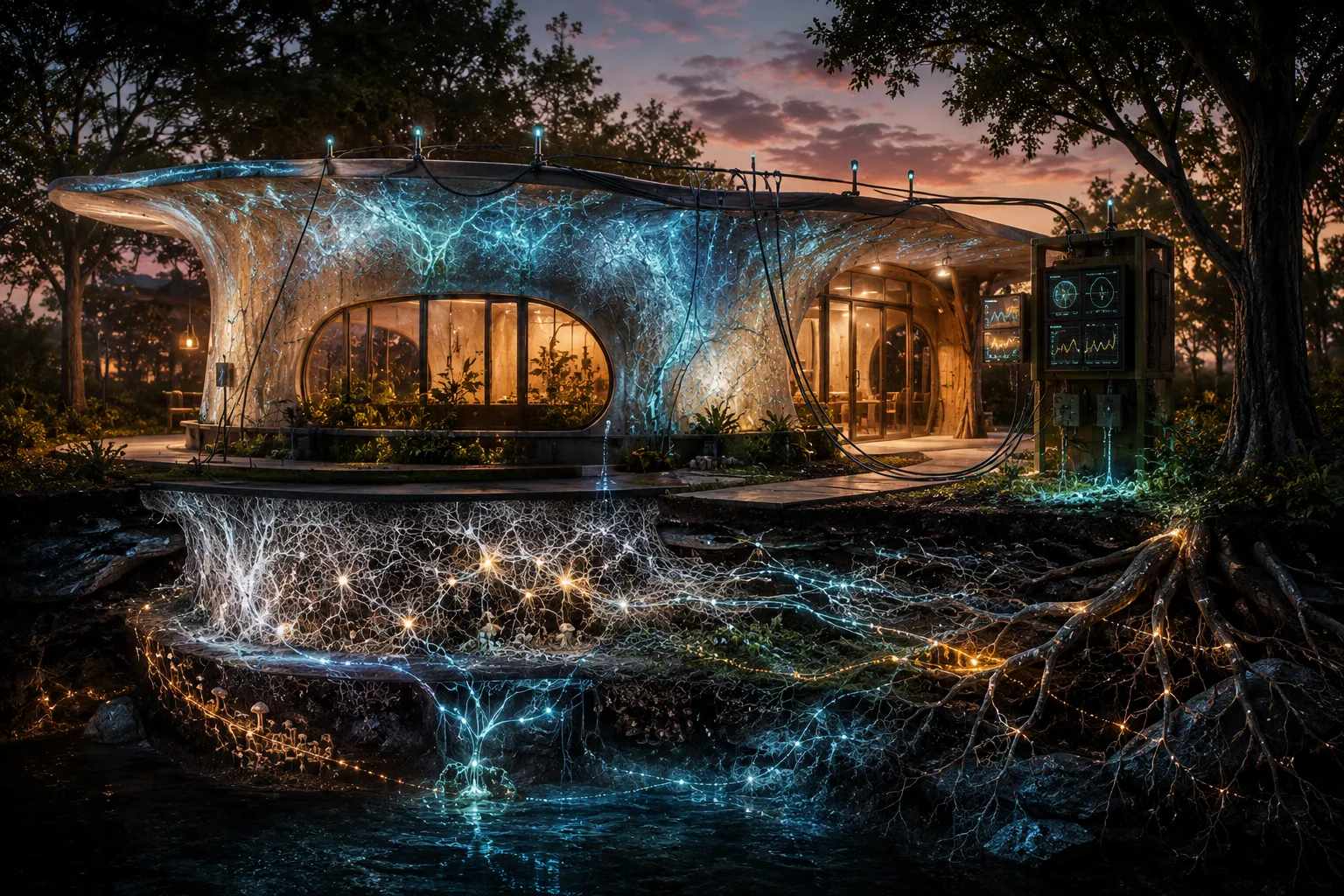
The largest living organism on Earth is not a blue whale. It is not a sequoia tree. It is a fungus. In the Blue Mountains of Oregon, a single individual of Armillaria ostoyae covers nearly four square miles and weighs an estimated 35,000 tons. It has been growing for at least 2,400 years. You would never know it is there, because almost all of it is underground—a vast, interconnected web of thread-like hyphae that collectively form what scientists call the mycelium

The Living Battery: How Scientists Are Turning Bacteria into Power Plants for Your Devices
TechMay 26, 2026

The Living Battery: How Scientists Are Turning Bacteria into Power Plants for Your Devices

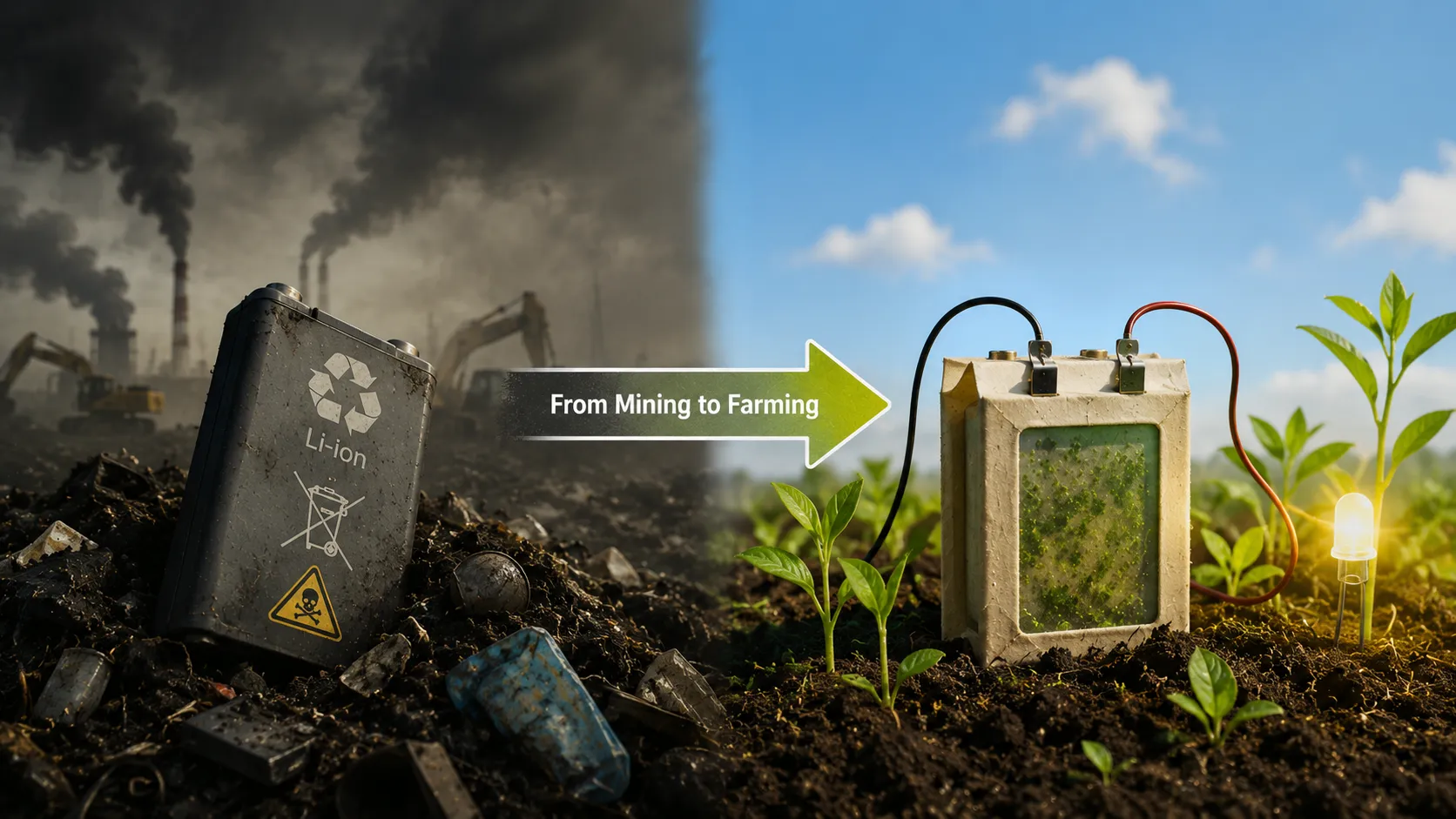
The battery is alive. You cannot see it with the naked eye—its power source is a single drop of water containing billions of Shewanella oneidensis, a bacterium that breathes metal the way humans breathe oxygen. The battery sits on a laboratory bench, connected by thin copper wires to a small LED. The LED glows a steady, faint green. It has been glowing for three months, powered entirely by the metabolic waste of microbes that cost less than a dollar to grow. When the light finally dims, the researchers will add a few drops of wastewater—the bacterial equivalent of a sugar rush—and the LED will brighten again.

The Silent Network: How Underground Mesh Radio Is Becoming America's Backup Internet
TechMay 26, 2026

The Silent Network: How Underground Mesh Radio Is Becoming America's Backup Internet

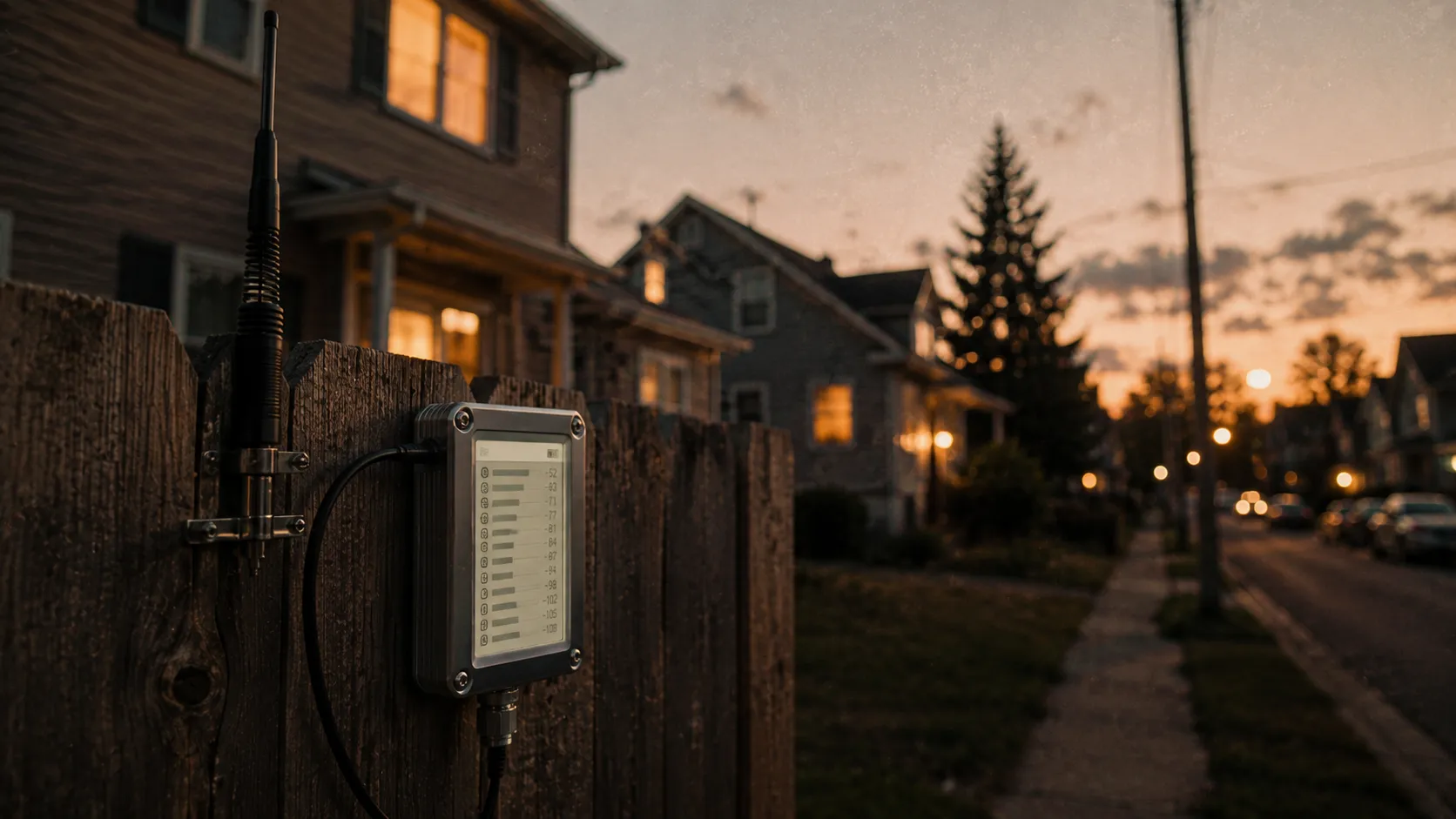
The first thing you notice is the antenna. It is not the sleek, white plastic of a Starlink dish or the black mast of a cellular repeater. It is a collapsible, military‑surplus whip antenna, clamped to a balcony railing with a hardware‑store bracket, connected by a thick coax cable to a small metal box no larger than a paperback novel. The box contains a LoRa radio chip—a low‑power, long‑range transceiver originally designed for agricultural sensors and smart meters—running custom firmware. The screen shows a list of nodes: KF7XYZ (range 4.2 miles), WA6ABC (range 7.8 miles), N8DEF (range 11.3 miles). No internet. No cellular. No central server. Just a mesh of neighbors, passing text messages and small files from one antenna to another, hop by hop, until they reach their destination.

The ₹5,000 Crore Fortress in Shirdi: How a Pune Engineer Built India's Largest Private Weapons Factory on 200 Acres—And Just Flagged Off Its First 300-Kilometre Rocket
StartupsMay 26, 2026

The ₹5,000 Crore Fortress in Shirdi: How a Pune Engineer Built India's Largest Private Weapons Factory on 200 Acres—And Just Flagged Off Its First 300-Kilometre Rocket

On a Saturday morning three days ago, Defence Minister Rajnath Singh stood on a dusty construction site in the shadow of the world's most famous pilgrimage town and declared that India was building a "fortress of self-reliance" in the land of Chhatrapati Shivaji. The fortress in question was not a medieval stone structure. It was a 200-acre defence manufacturing complex—the largest private weapons factory ever built in India—that will produce half a million artillery shells a year, manufacture advanced missile and space technologies, build autonomous defence platforms, and house the country's first indigenous 300-kilometre Universal Rocket Launching System. Its name is Suryastra. Its range is the distance from Delhi to Jaipur. And its first units were flagged off to the Indian Army at the inauguration ceremony itself.

14 Days to 100 Days, 25 Kg to 350 Kg, One Moon to a Space Station: Inside India's Great Space Acceleration
StartupsMay 26, 2026

14 Days to 100 Days, 25 Kg to 350 Kg, One Moon to a Space Station: Inside India's Great Space Acceleration

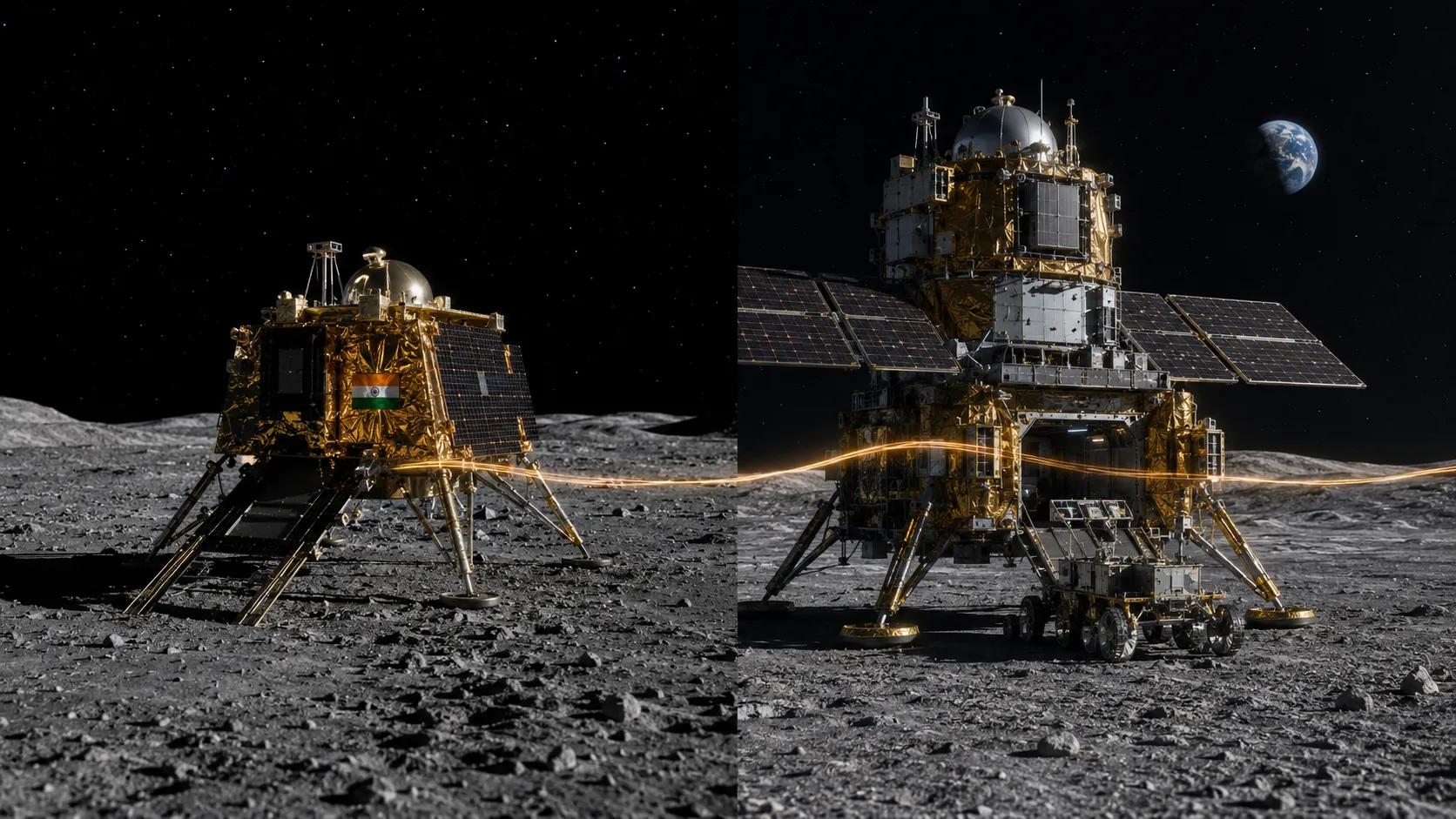
In August 2023, a four-legged lander named Vikram touched down on the lunar surface near the Moon's south pole, and India became the fourth nation in history to achieve a soft landing on another world. The mission was designed to last 14 days. The rover it carried weighed 25 kilograms. When the sun set on the lunar plain, the lander went to sleep, as planned, and did not wake up. It was, by any measure, a triumph—a demonstration of technological capability that had eluded far wealthier nations and that announced India's arrival as a serious space power.

The Venture Capital Renaissance: Heavy Concentration and Strategic Intents Shape Tech Funding
FundingMay 25, 2026

The Venture Capital Renaissance: Heavy Concentration and Strategic Intents Shape Tech Funding

The global venture capital landscape is witnessing a massive revival, driven by an intense concentration of capital into foundational AI, deep-tech infrastructure, and resilient regional marketplaces. Data shows that Indian startups alone have secured upwards of $12 billion in the opening months of the year, punctuated by rapid early-stage momentum in agentic AI platforms and specialized consumer brands. Concurrently, international private markets are breaking records with massive multi-million dollar megadeals, signaling a market that rewards deep technological moats, structural profitability, and clear enterprise-workflow integration over speculative growth.

"I Was 39 With the Body of a 49-Year-Old": The Zomato Co-Founder Who Reversed His Biological Age—and Built a Health-Tech Startup With His Wife That Ranbir Kapoor Just Bet Millions On
StartupsMay 25, 2026

"I Was 39 With the Body of a 49-Year-Old": The Zomato Co-Founder Who Reversed His Biological Age—and Built a Health-Tech Startup With His Wife That Ranbir Kapoor Just Bet Millions On

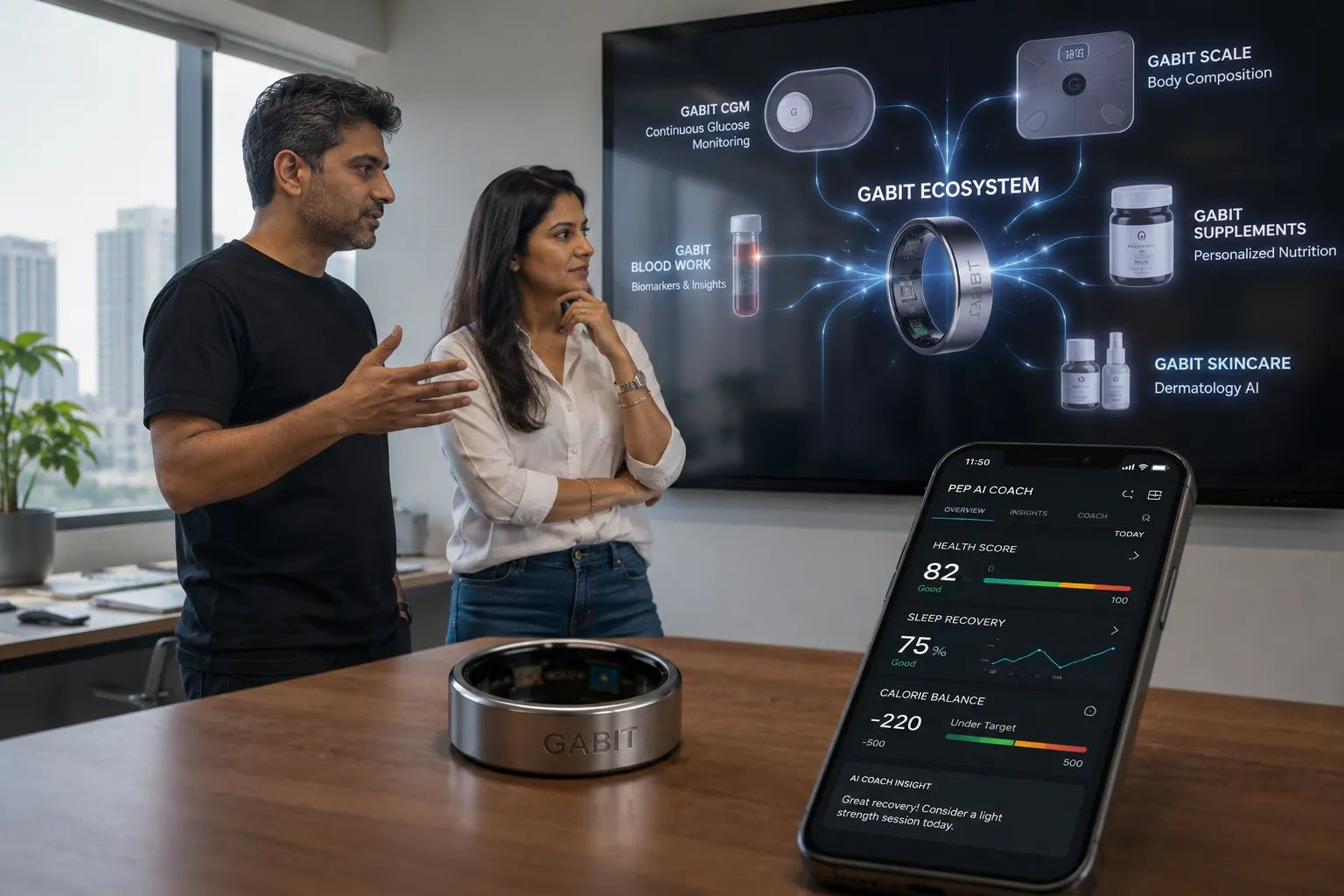
Gaurav Gupta was one of the architects of India's food-tech revolution. As a co-founder of Zomato, he spent more than a decade building the infrastructure that turned a restaurant-discovery website into India's largest food-delivery platform—a company that now serves hundreds of millions of users across multiple countries, that went public in 2021, and that fundamentally changed how India eats. He was, by any conventional measure, extraordinarily successful. He was also, by his own quiet admission, falling apart.

The Physicist Who Quit IBM to Build India's First Quantum Computer: How Dr. Nagendra Nagaraja Is Racing to Take His 25-Qubit Machine Public—Before the Americans and Chinese Lock Up the Market
TechMay 25, 2026

The Physicist Who Quit IBM to Build India's First Quantum Computer: How Dr. Nagendra Nagaraja Is Racing to Take His 25-Qubit Machine Public—Before the Americans and Chinese Lock Up the Market

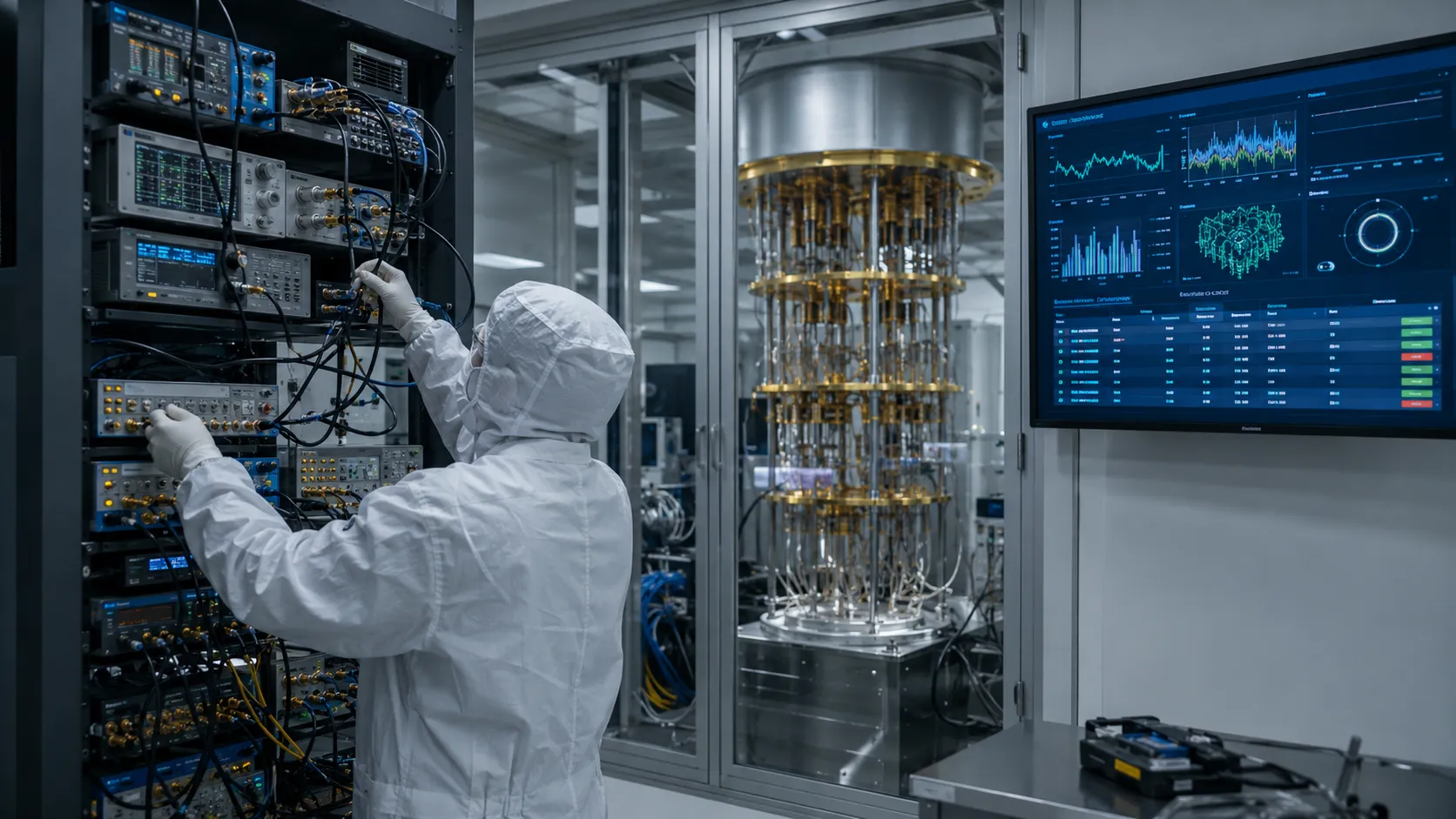
In 2019, Dr. Nagendra Nagaraja was a senior quantum scientist at IBM Research, working on some of the world's most advanced superconducting quantum processors at the company's Thomas J. Watson Research Center in Yorktown Heights, New York. He had a comfortable salary, a prestigious position, and a front-row seat to the development of the hardware that would eventually power the world's largest quantum computing network. He was exactly where any ambitious quantum physicist would want to be—and he was restless. The machines he was building would be deployed everywhere except the country he came from. India, with its deep pool of scientific talent and its virtually nonexistent quantum hardware industry, was invisible in the quantum computing revolution. Nagaraja could not change that from Yorktown Heights. So he quit.

Load More Results