Results (122 found)

The Celebrity Wellness Industrial Complex: How Bollywood Stars Built a ₹5,000 Crore Health Empire—And Why Most of It Is Built on Science, Not Just Fame
MagazineMay 29, 2026

The Celebrity Wellness Industrial Complex: How Bollywood Stars Built a ₹5,000 Crore Health Empire—And Why Most of It Is Built on Science, Not Just Fame

In 2020, as the pandemic shut down film sets and forced the most famous people in India into the same confinement as everyone else, Akshay Kumar did something that, in retrospect, marked the beginning of a new era in the Indian celebrity economy. He launched a vegan protein brand. Not an endorsement deal. Not a licensing arrangement. A company—co-founded with a sports nutrition expert, backed by his own capital, and built around the same philosophy that had transformed his own body over the previous decade: plant-based, high-protein, no shortcuts.
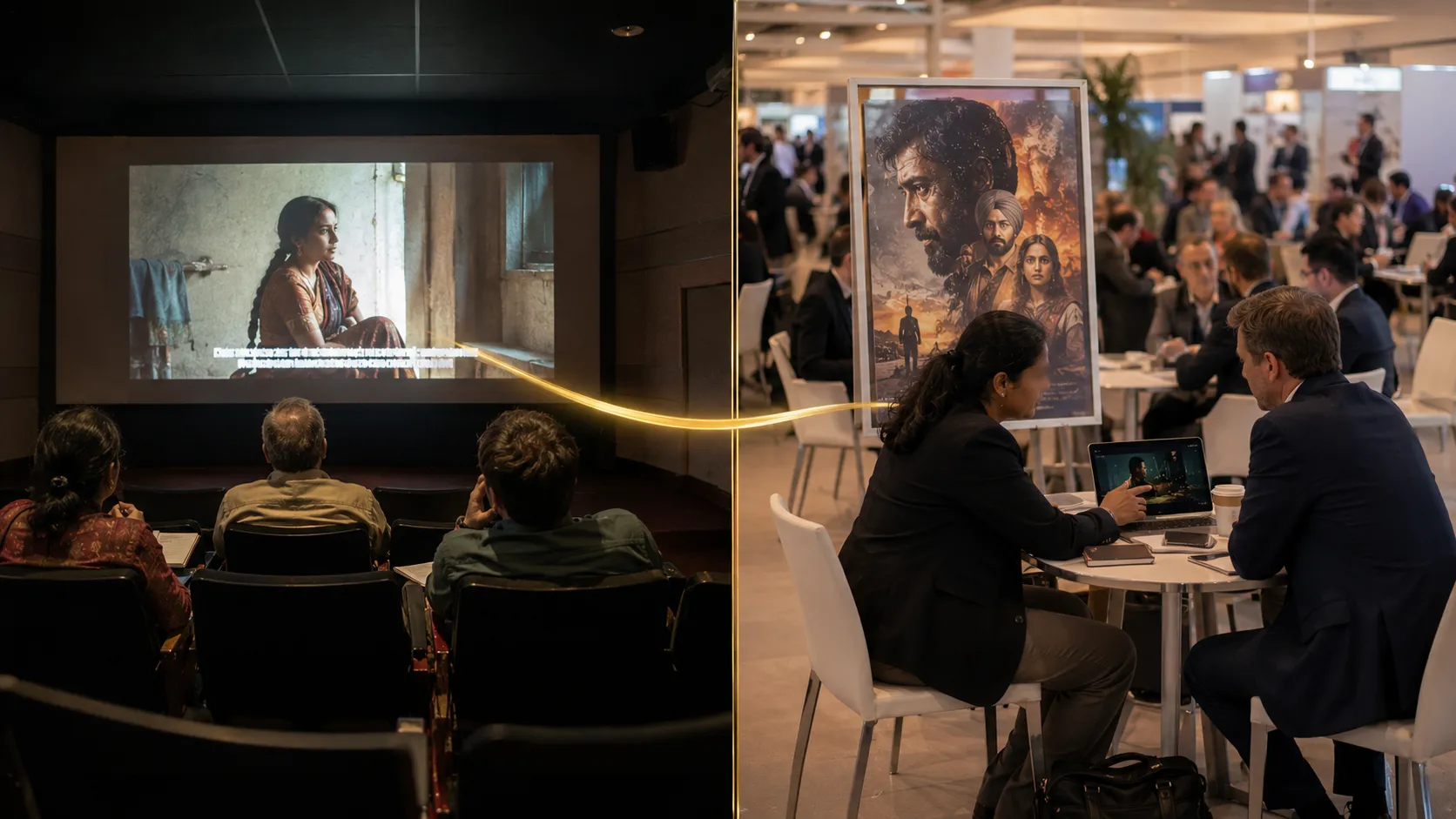

The Red Carpet Is Now a Distribution Pipeline: How Indian Indies and Regional Cinema Turned Cannes, Busan, and Sundance Into Their Most Valuable Theatrical Trailer
MagazineMay 29, 2026

The Red Carpet Is Now a Distribution Pipeline: How Indian Indies and Regional Cinema Turned Cannes, Busan, and Sundance Into Their Most Valuable Theatrical Trailer

For most of Indian cinema's history, the international film festival was a gilded door that almost never opened. It was a place where a handful of auteurs—Satyajit Ray, Mrinal Sen, Adoor Gopalakrishnan—were celebrated by critics and ignored by audiences, where the applause of a Cannes audience was considered its own reward, and where the journey from festival premiere to commercial distribution was so rare, and so fraught, that most producers treated it as an impossibility. The festival was an honour. It was not a business.

The Billion-Dollar Hangover: Why George Clooney and Dwayne Johnson Built ₹10,000 Crore Liquor Empires—And Why No Bollywood Star Has Come Close
MagazineMay 29, 2026

The Billion-Dollar Hangover: Why George Clooney and Dwayne Johnson Built ₹10,000 Crore Liquor Empires—And Why No Bollywood Star Has Come Close

In June 2017, George Clooney sold the tequila company he had co-founded four years earlier to the British spirits conglomerate Diageo for $1 billion. The deal—$700 million upfront, another $300 million in earn-outs—was not the largest celebrity exit in history, but it was the most consequential. It demonstrated, to an entire generation of famous people, that a celebrity's name on a bottle could be worth more than their name on a poster. It launched a gold rush that has since produced Dwayne Johnson's Teremana (valued at over $3 billion), Ryan Reynolds' Aviation Gin (sold for $610 million), and a wave of celebrity-backed spirits that has reshaped the global liquor industry. And it raised a question that, nine years later, the Indian film industry has still not answered: if George Clooney can build a billion-dollar tequila brand, why can't Shah Rukh Khan?

The South Indian Studios That Out‑Hollywood Hollywood: How Hombale, Mythri, and Vyjayanthi Built Vertically Integrated Franchise Machines That Bollywood Cannot Copy
MagazineMay 29, 2026

The South Indian Studios That Out‑Hollywood Hollywood: How Hombale, Mythri, and Vyjayanthi Built Vertically Integrated Franchise Machines That Bollywood Cannot Copy

On the morning of May 28, a press note issued by the Telangana State Film Chamber of Commerce landed in the inboxes of journalists across the country, and the single-sentence announcement it contained—"The old rental system in theatres will be completely abolished from July 3"—was the culmination of a war that had been building for nearly four decades. The war was not fought between stars and studios, or between producers and directors, or between any of the glamorous combatants who dominate the business pages of the entertainment press. It was fought between the people who own the screens and the people who make the films, and it was fought over a question so fundamental that the industry had never thought to ask it: when a film earns a rupee at the box office, who deserves to keep it?

The ₹7 Lakh vs. ₹45 Lakh Question: How the Telangana Theatre War Became a Battle for the Soul of Indian Cinema
MagazineMay 29, 2026

The ₹7 Lakh vs. ₹45 Lakh Question: How the Telangana Theatre War Became a Battle for the Soul of Indian Cinema

On the morning of May 28, a press note issued by the Telangana State Film Chamber of Commerce landed in the inboxes of journalists across the country, and the single-sentence announcement it contained—"The old rental system in theatres will be completely abolished from July 3"—was the culmination of a war that had been building for nearly four decades. The war was not fought between stars and studios, or between producers and directors, or between any of the glamorous combatants who dominate the business pages of the entertainment press. It was fought between the people who own the screens and the people who make the films, and it was fought over a question so fundamental that the industry had never thought to ask it: when a film earns a rupee at the box office, who deserves to keep it?

The ₹500 Crore Floor: How the New Indian Blockbuster Got So Expensive, So Global, and So Unforgiving
MagazineMay 29, 2026

The ₹500 Crore Floor: How the New Indian Blockbuster Got So Expensive, So Global, and So Unforgiving

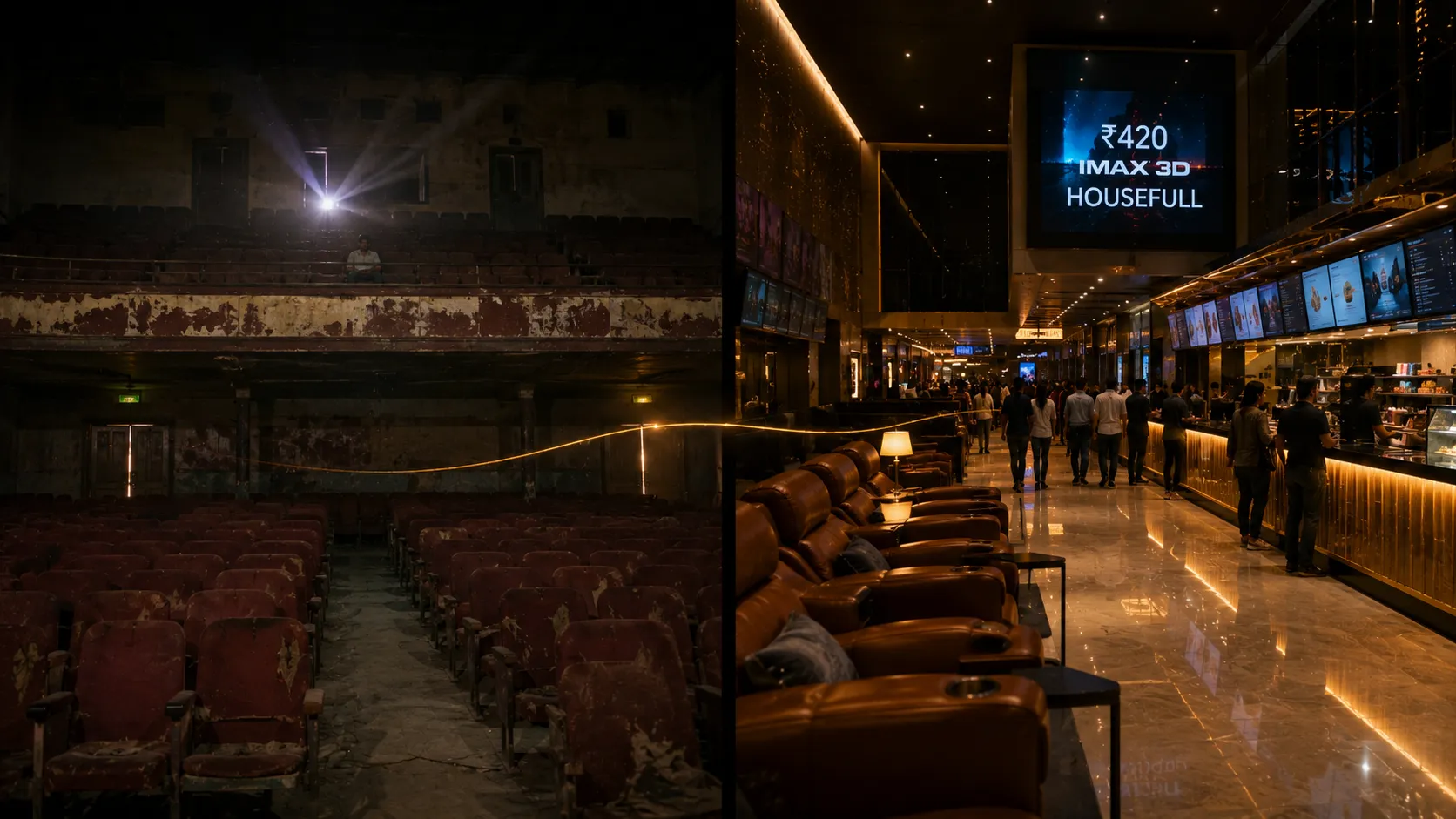
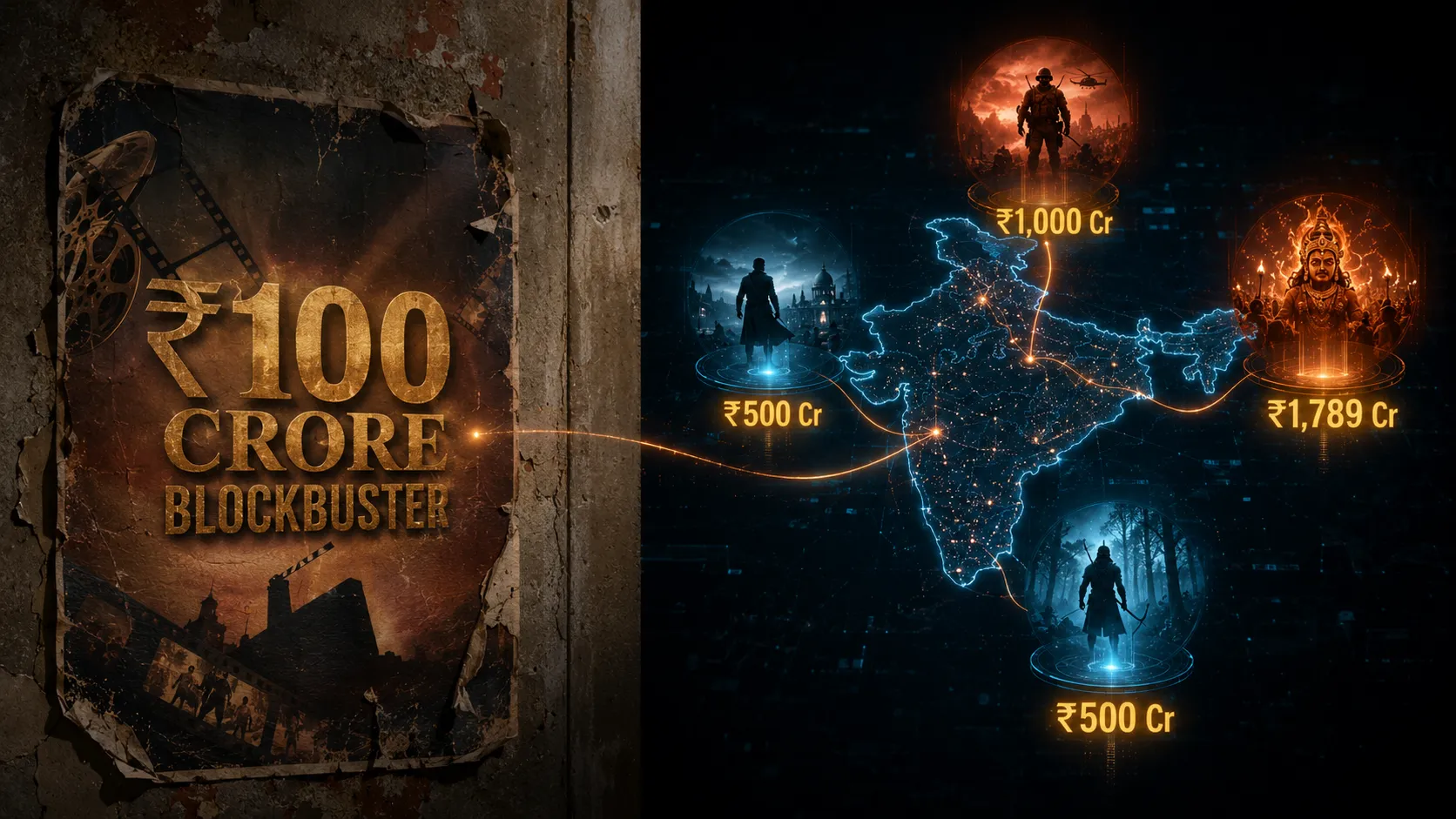
There was a time, not very long ago, when a film that earned ₹100 crore was a blockbuster. The number was round, aspirational, and attainable only by the largest stars in the largest languages, and it conferred a status that no marketing campaign could manufacture. That era is over. It ended quietly, without ceremony, somewhere between the second weekend of Dhurandhar 2 and the first Monday of Border 2, when the trade stopped asking whether a film would cross the century mark and started asking, with the casualness of people who have recalibrated their expectations, whether it would cross ₹500 crore. The floor has risen. The ceiling has disappeared. And the economics of the ₹500 crore blockbuster—the budgets required to produce it, the marketing spends required to open it, the distribution networks required to deliver it, and the profit margins that determine whether it was worth making at all—have become the central obsession of the Indian film industry.

"You Want Ryan Reynolds Money?": The Star vs. Studio War That Will Define Bollywood's Next Decade
MagazineMay 29, 2026

"You Want Ryan Reynolds Money?": The Star vs. Studio War That Will Define Bollywood's Next Decade

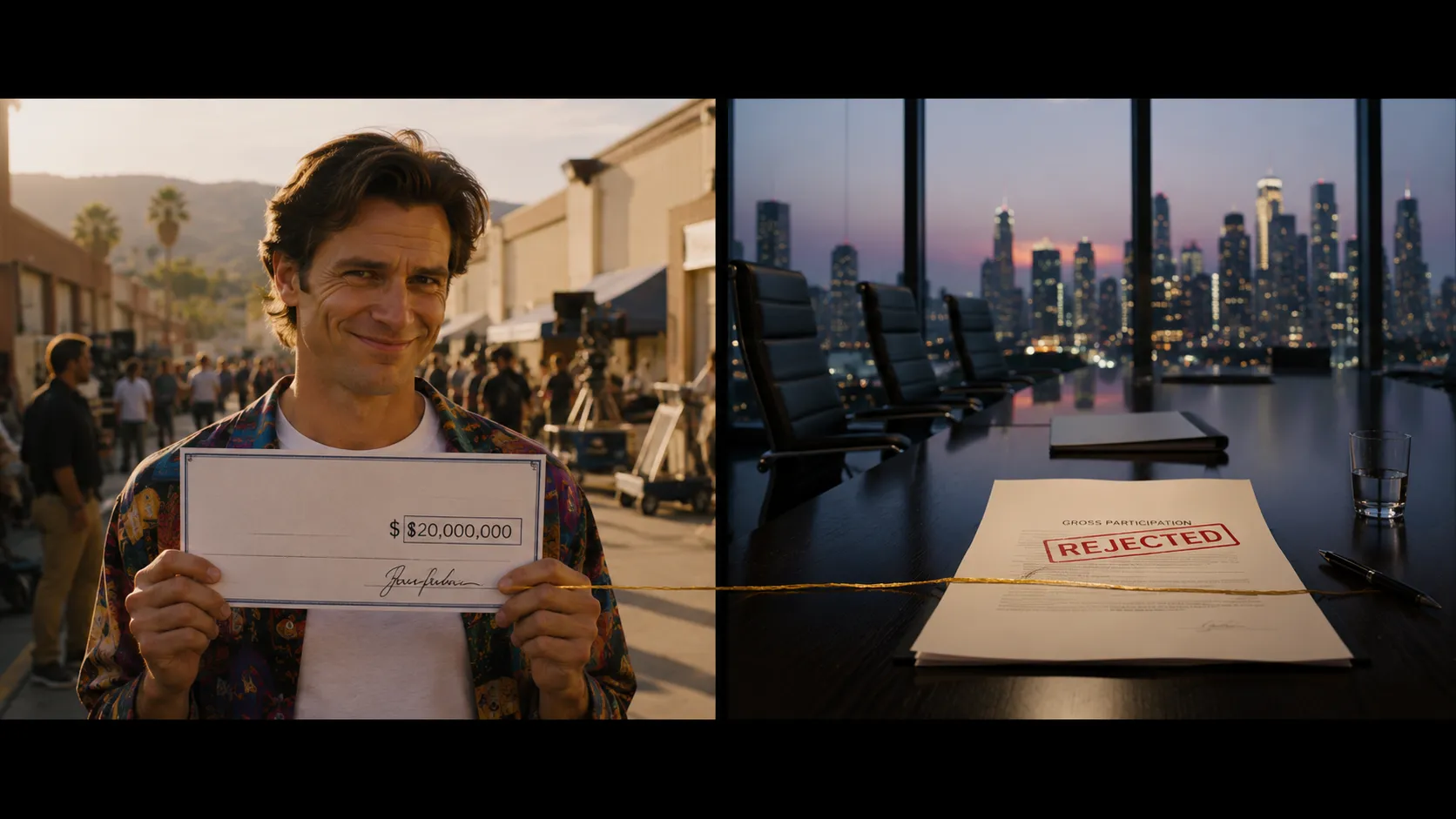
Sometime in the spring of 2026, in a conference room at a Bandra‑Kurla Complex high‑rise, a negotiation took place that, in retrospect, will be remembered as the moment the old Bollywood died. The details remain private—the parties involved have signed NDAs that will outlast the film they were discussing—but the broad strokes are known because they have been repeated, with variations, in every studio and talent agency in the city. A star, whose last two films had together grossed over ₹1,700 crore, asked for a back‑end deal. Not a signing fee. Not a profit share disguised as a producer credit on a shell company that existed only on paper. A real, Hollywood‑style, gross‑participation contract: a percentage of the film's revenue, paid from the first rupee, regardless of whether the studio turned a profit.

The Thalaivar's Trillion: How Rajinikanth Built a ₹1,200 Crore Empire on Style, Devotion, and One Signature Flick
MagazineMay 28, 2026

The Thalaivar's Trillion: How Rajinikanth Built a ₹1,200 Crore Empire on Style, Devotion, and One Signature Flick

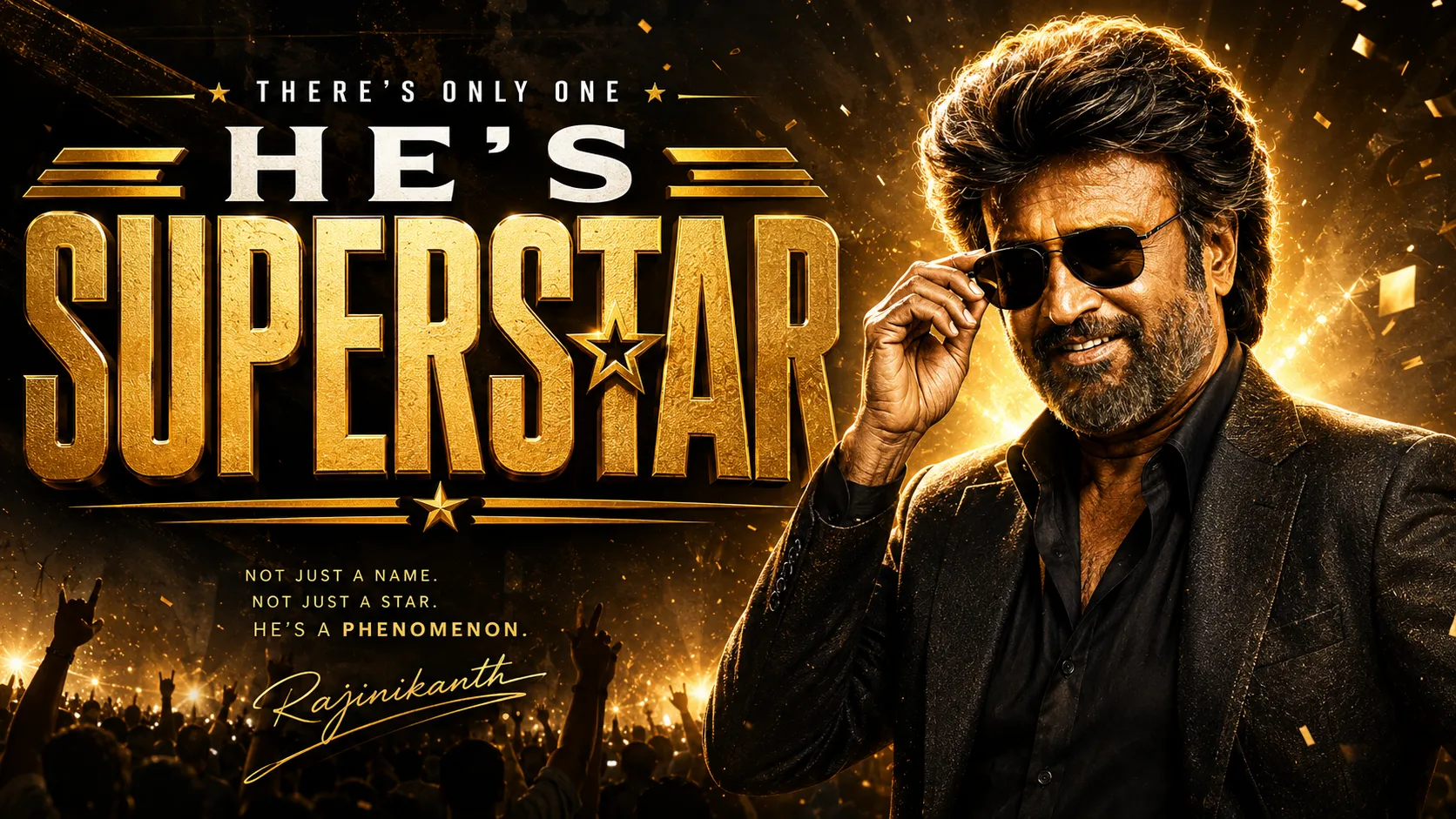
He is the only Indian actor whose fans bathe his cutouts with milk. The only one whose film releases are treated as festivals, with state holidays declared and tickets selling for ₹5,000 on the black market. The only one who, at 75, commands a per-film fee of ₹200 crore – the highest in Indian history. And the only one who has never needed a pan-Indian strategy, because he has always been universal. Rajinikanth – or simply "Thalaivar" (The Leader) to his millions of devotees – has an estimated net worth of ₹1,200 crore (approximately $145 million) , making him the wealthiest actor in South India and second only to Shah Rukh Khan nationally. His brand valuation, according to Kroll 2025, is $180 million . He owns a production house (V Creations, run by his son-in-law), a sprawling real estate portfolio, a fleet of vintage cars, and the unwavering loyalty of a generation. But the numbers are almost besi

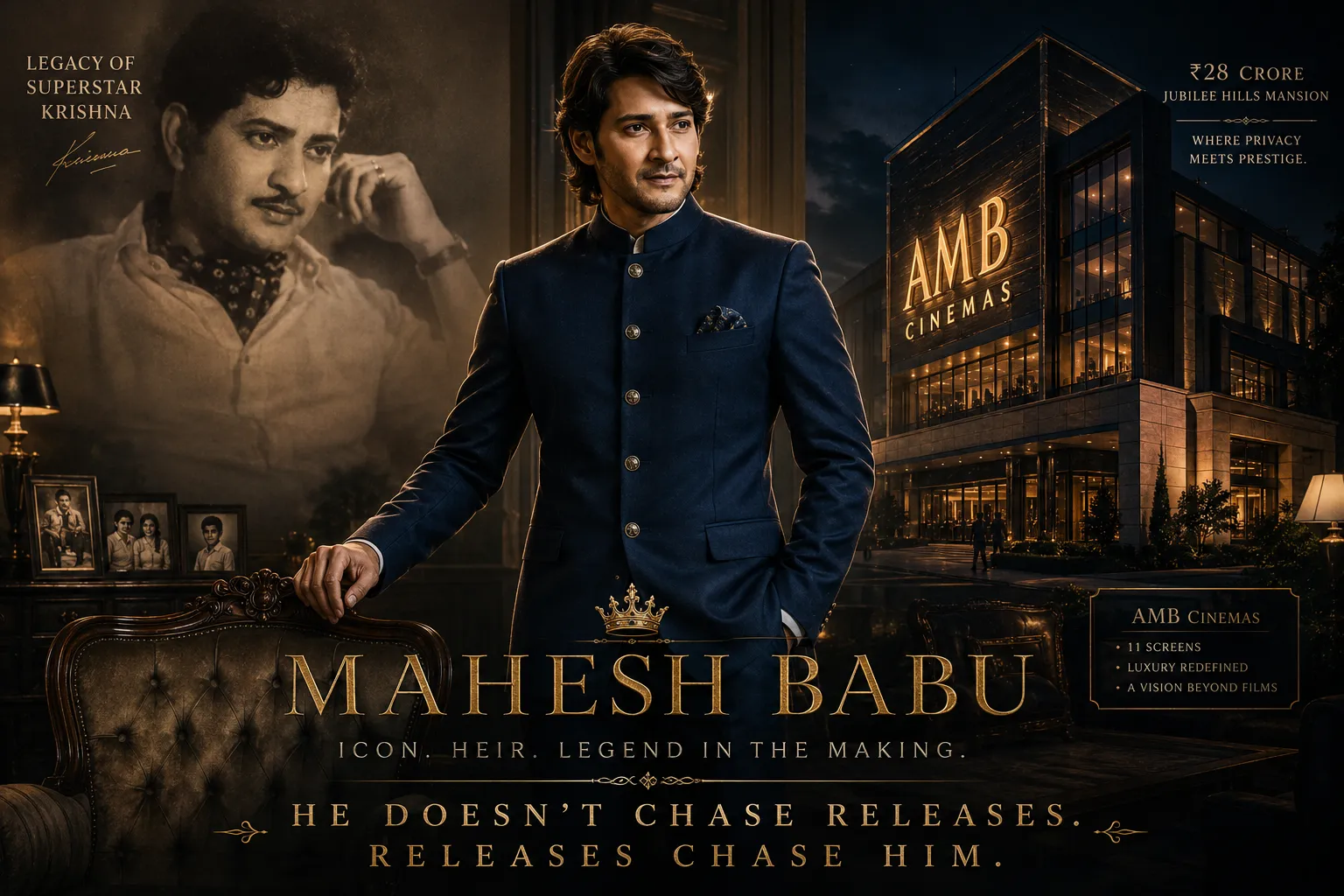
The Prince of Tollywood: How Mahesh Babu Built an ₹850 Crore Kingdom on Silence, Selectivity, and SS Rajamouli
MagazineMay 28, 2026

The Prince of Tollywood: How Mahesh Babu Built an ₹850 Crore Kingdom on Silence, Selectivity, and SS Rajamouli

In an industry that glorifies speed — four films a year, constant social media chatter, relentless brand visibility — Mahesh Babu has chosen the opposite path. He makes one film every two years. He posts on Instagram once a week (if that). He endorses fewer than a dozen brands at a time. And yet, when Sarkaru Vaari Paata crossed ₹100 crore in four days in 2022, or when the mere announcement of his collaboration with SS Rajamouli broke the internet, the world was reminded of a simple truth: scarcity creates value.

The Charan Empire: How Ram Charan Built a ₹1,100 Crore Kingdom on Legacy, RRR, and Global Ambition
MagazineMay 28, 2026

The Charan Empire: How Ram Charan Built a ₹1,100 Crore Kingdom on Legacy, RRR, and Global Ambition

When RRR released in March 2022, the world witnessed something unprecedented: a Telugu film that transcended language, region, and even the Oscars. Ram Charan's portrayal of Alluri Sitarama Raju – the revolutionary who walked into a British compound and emerged a legend – earned him a Golden Globe nomination and a global fanbase. But RRR was not Ram Charan's first blockbuster. It was the culmination of a 15-year journey from "Chiru's son" to one of the highest-paid actors in Asia. His estimated net worth today is ₹1,100 crore (approximately $132 million) – second only to Prabhas among South Indian stars. He commands ₹120 crore per film plus profit share, endorses over 20 brands, owns a production house (V Mega Pictures), and has built an investment portfolio that spans agriculture, tech, and real estate. This is not just a star. This is a dynastic empire, carefully modernized for a global audience

Load More Results