Results (439 found)

Bollywood’s Alcohol Gold Rush — Why SRK, Ajay Devgn and Sanjay Dutt Are Betting Big on Premium Spirits
StartupsJun 9, 2026

Bollywood’s Alcohol Gold Rush — Why SRK, Ajay Devgn and Sanjay Dutt Are Betting Big on Premium Spirits

India’s $52.4‑billion alco-bev industry is attracting A-list celebrities like never before. Shah Rukh Khan and his son Aryan Khan partnered with Radico Khaitan to launch D’Yavol tequila. Ajay Devgn launched a single malt priced at ₹60,000 per bottle. Sanjay Dutt’s Scotch whisky brand The Glenwalk has reportedly earned him ₹15 crore in 45 days. This article examines the economics of celebrity-owned liquor brands, the shift from mere endorsements to ownership, and why premium spirits have become Bollywood’s most intoxicating investment.

Kriti Sanon — From National Award-Winning Actor to Strategic D2C Investor and Builder
StartupsJun 9, 2026

Kriti Sanon — From National Award-Winning Actor to Strategic D2C Investor and Builder

Kriti Sanon isn’t just a celebrated actor—she is also the co‑founder of Hyphen and has recently invested in GIVA, a popular D2C jewellery brand, playing a multi‑faceted role beyond her financial contribution. This article dissects how Kriti is mirroring the global trend of actors becoming strategic investors and ecosystem enablers, using her platform to propel brands that align with her personal style and values. We explore the economics of her partnership with GIVA, the launch and growth of Hyphen, and how she balances acting with active brand building

The New D2C Gold Rush — How Content Creators Are Quietly Becoming India’s Most Savvy Entrepreneurs
StartupsJun 9, 2026

The New D2C Gold Rush — How Content Creators Are Quietly Becoming India’s Most Savvy Entrepreneurs

Kusha Kapila launched her shapewear brand Underneat in April 2025. Within eight months, it clocked ₹150 crore in annual recurring revenue, turned EBITDA positive, and raised $6 million in pre‑Series A funding. She is not alone. From Rhea Chakraborty building a ₹40 crore clothing empire to Parul Gulati expanding from hair extensions to a Goa hostel, Indian content creators are leading a quiet D2C revolution. This article tracks how influencers are using their parasocial capital to build real businesses, the economics of creator-led brands, and why venture capitalists are now hunting for creators, not just founders.

Ranveer Singh & Deepika Padukone — The Bollywood Power Couple Rewriting the Rules of Celebrity Investing
StartupsJun 9, 2026

Ranveer Singh & Deepika Padukone — The Bollywood Power Couple Rewriting the Rules of Celebrity Investing

They are Bollywood’s most bankable stars, with a combined Instagram following of over 100 million. But Ranveer Singh and Deepika Padukone are not just actors—they are venture capitalists in disguise. From Ranveer’s early bets on D2C unicorns like SUGAR Cosmetics and boAt to Deepika’s skincare brand 82°E and her investment in consumer goods platform Noto, the couple has quietly built a portfolio worth over ₹1,000 crore. This article traces how they moved from endorsements to equity, the strategic thinking behind their investments, and how their combined star power creates a flywheel for the brands they back. We also analyze the unique “power couple” advantage—how two celebrities can amplify each other’s business interests without diluting their individual brands.

Beyond the Screen — How Indian Stars Are Quietly Building Billion‑Dollar Investment Portfolios
StartupsJun 9, 2026

Beyond the Screen — How Indian Stars Are Quietly Building Billion‑Dollar Investment Portfolios

Almost every Indian believes Bollywood stars make a run for the bank only from their movies. But today, these celebrities are savvy investors, diversifying their wealth into startups, companies, stock markets, and venture capital opportunities. From Shah Rukh Khan’s family office co‑investing ₹100 crore with Ashika Group to Juhi Chawla’s net worth of ₹7,790 crore from cricket and real estate, Bollywood has transformed into a serious wealth engine. This article decodes the "secret portfolios" of SRK, Salman Khan, Aamir Khan, and others, revealing how they earn more from business than from box office collections.

OTT vs Theatres — How India’s ₹13,000 Crore Box Office Boom is Reshaping the Streaming Economy
StartupsJun 9, 2026

OTT vs Theatres — How India’s ₹13,000 Crore Box Office Boom is Reshaping the Streaming Economy

For a brief period after the pandemic, it seemed like Indian cinema had fundamentally changed forever. Big films were arriving on streaming platforms within weeks—some skipping theatres entirely. But in 2025, the industry swung back. The Indian box office hit a record high of ₹13,000 crore, up 14% from the previous year, while digital and OTT revenues for films declined 7% year-on-year to ₹2,900 crore. This article analyzes the great theatrical resurgence, the economics of the 8–12 week window, and how OTT platforms are pivoting from blockbuster acquisitions to smarter, data-driven content bets. We also explore what this means for producers, exhibitors, and the future of movie-watching in India.

Sanjeev Bikhchandani — The Man Who Bet His Savings on a Job Portal When India Had No Internet Jobs
StartupsJun 8, 2026

Sanjeev Bikhchandani — The Man Who Bet His Savings on a Job Portal When India Had No Internet Jobs

In 1995, Sanjeev Bikhchandani was a 32-year-old marketing professional with a steady job. He and his wife invested their life savings — ₹8 lakh — to start a small business in his father's backyard shed. Their idea: a job portal called Naukri.com. The problem? India had barely 10,000 internet connections, and almost no one looked for jobs online. Everyone said he was crazy. But Sanjeev believed that the internet would change everything. Today, Naukri.com is India’s largest online job portal, with over 70 million registered users and 150,000+ recruiter clients. His company, InfoEdge, is a $10 billion publicly traded giant that has also funded successful startups like Zomato, PolicyBazaar, and Swiggy. This article traces Sanjeev's journey from a backyard startup to a pioneer of Indian internet, and from a job portal founder to one of India’s most respected angel investors.

Mukesh Bansal — The Engineer Who Sold T-Shirts Online and Then Built India’s Largest Health & Fitness Platform
StartupsJun 8, 2026

Mukesh Bansal — The Engineer Who Sold T-Shirts Online and Then Built India’s Largest Health & Fitness Platform

In 2007, Mukesh Bansal was a software engineer in the US, earning a comfortable salary. He wanted to return to India but didn’t know what to do. He noticed that Indians were becoming more fashion-conscious, but online shopping for clothes was almost non-existent. So he founded Myntra, an online personalized gift store that pivoted to fashion e-commerce. He grew Myntra into a $300 million business before selling it to Flipkart. Then he started Cure.fit (now Cure.Fit), a health and fitness platform that combines gyms, yoga, mental wellness, and healthy food delivery. This article traces Mukesh’s journey from a BITS Pilani engineer to a serial entrepreneur who built two category-defining companies. We analyze his “pivot or die” philosophy, his obsession with customer experience, and his ability to spot trends before they become mainstream.

A Decade of Startup India: Why the Most Important Chapter Has Always Been the Women Writing It
WomenJun 8, 2026

A Decade of Startup India: Why the Most Important Chapter Has Always Been the Women Writing It

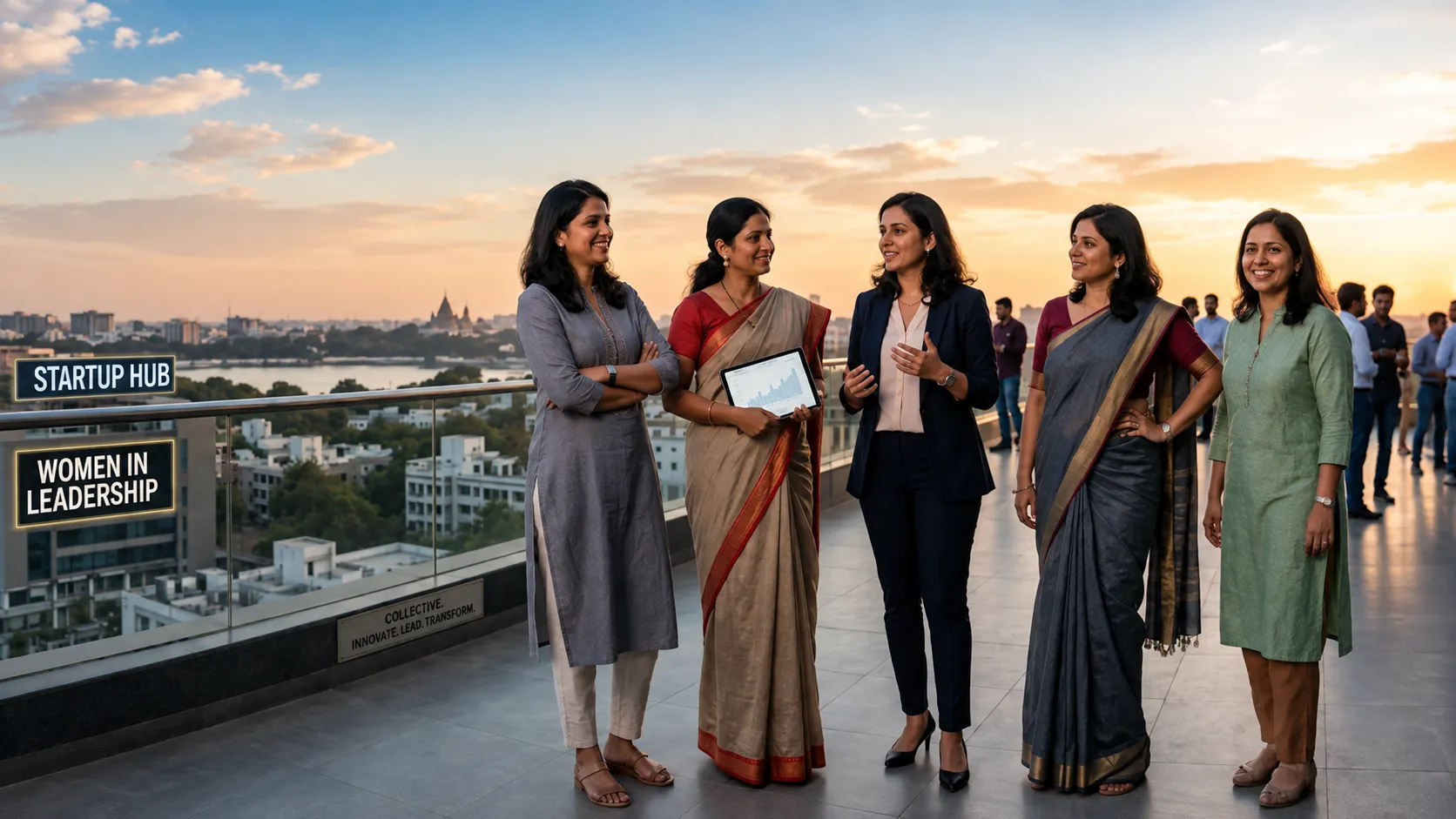
National Startup Day 2026 marks ten years of the Startup India initiative — a decade that has produced 207,000 startups, 132 unicorns, and a cultural transformation in what Indian entrepreneurship means. But its most consequential and least fully recognized achievement may be the growing leadership of women founders. We examine the decade's women-led revolution.

Load More Results