Results (2453 found)

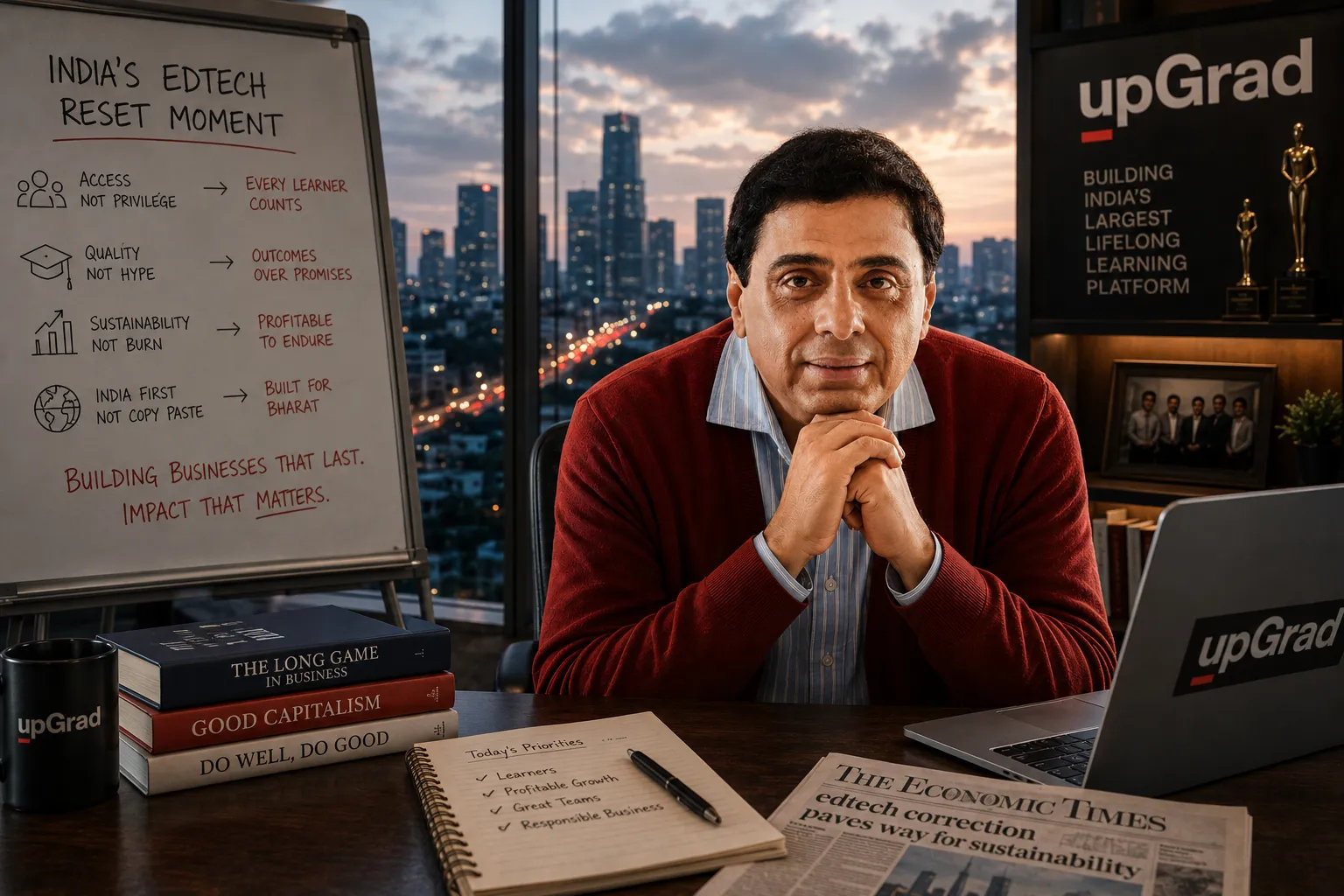
The $3.44 Billion Wake-Up Call: How Ronnie Screwvala Is Consolidating the Rubble of India's Edtech Crash — and Building Something That Might Actually Last
StartupsMay 20, 2026

The $3.44 Billion Wake-Up Call: How Ronnie Screwvala Is Consolidating the Rubble of India's Edtech Crash — and Building Something That Might Actually Last

In the autumn of 2021, Unacademy was worth $3.44 billion. Its founder, Gaurav Munjal, was 27 years old. The company had raised nearly $900 million from SoftBank, Tiger Global, and Sequoia Capital. It had acquired a dozen startups, launched a graph-novel platform, opened a chain of physical coaching centers, and sponsored every major cricket tournament in India. The narrative was intoxicating: a young, aggressive founder building the Amazon of education, a generational company that would teach India everything it needed to know, from cracking the civil service exam to mastering code. The pandemic had accelerated online learning, and Unacademy was surfing the wave with the bravado of a company that believed the wave would never break.

The Elephant in the Cloud: How India's First AI Unicorn Just Pivoted, Turned Profitable, and Quietly Built a Fortress That Silicon Valley Can't Touch
StartupsMay 20, 2026

The Elephant in the Cloud: How India's First AI Unicorn Just Pivoted, Turned Profitable, and Quietly Built a Fortress That Silicon Valley Can't Touch

There is a particular kind of silence that follows a pivot. Not the silence of failure — failure is loud, messy, public. This is the silence of a company that has stopped trying to be everything and decided, with the clarity that only a near-death experience can provide, to be one thing exceptionally well. It is the silence of a founder who has looked at the money, looked at the market, looked at the geopolitics of the moment, and made a bet so contrarian that it borders on heresy.

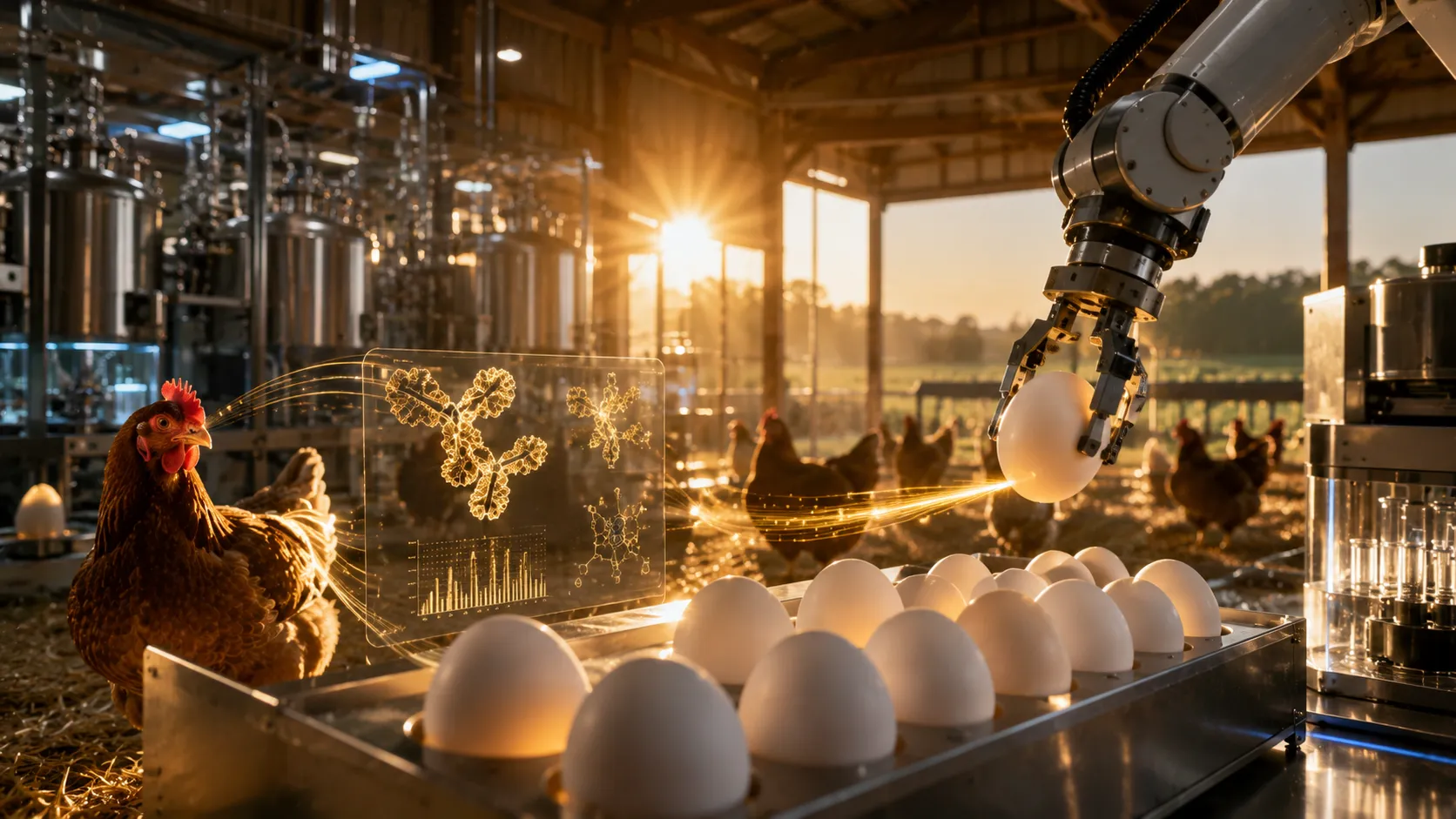
The Chicken, the Egg, and the $11M Bet to End $1,000-a-Gram Medicine: How Two Outsiders Are Rewiring Biomanufacturing from a Davis Farm
StartupsMay 20, 2026

The Chicken, the Egg, and the $11M Bet to End $1,000-a-Gram Medicine: How Two Outsiders Are Rewiring Biomanufacturing from a Davis Farm

Sam Levin is an evolutionary biologist. He thinks in geological time. He has spent his career studying how nature solves problems — how a bird's immune system packages antibodies into the sterile, self-contained universe of an egg; how natural selection, over hundreds of millions of years, has built protein factories that make the stainless-steel tanks of modern pharmaceutical plants look like crude stone tools by comparison. His co-founder, Dimi Kellari, is an aerospace engineer who spent four years building autonomous vehicle technology before concluding, with the clarity of a systems thinker, that the most consequential frontier was not in space or on the road, but inside a hen.

The Boy from the Coffee Hills Who Is Building India's Eye in the Sky — and Its First AI Data Center in Orbit
StartupsMay 20, 2026

The Boy from the Coffee Hills Who Is Building India's Eye in the Sky — and Its First AI Data Center in Orbit

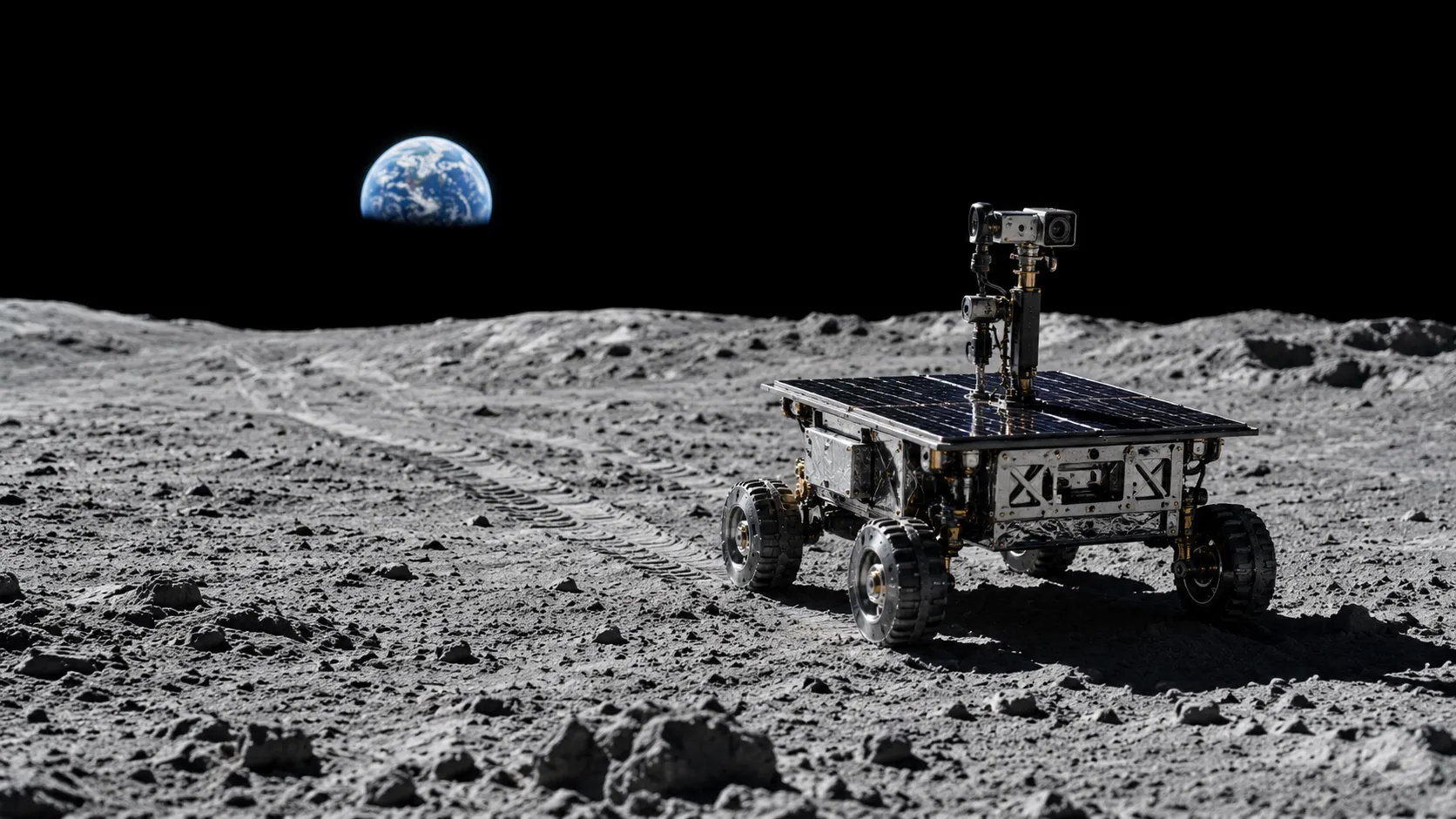
Justin Cyrus had exactly 25 minutes to decide. It was a Friday morning in late March, and Cyrus, the 32-year-old founder and CEO of Lunar Outpost, had just watched NASA Administrator Jared Isaacman appear on a livestream from the agency's Ignition event at Kennedy Space Center and announce, with no advance warning to the commercial contractors whose fortunes depend on the Artemis program, that NASA was abandoning its Lunar Terrain Vehicle acquisition strategy. The three companies competing to build the moon's first crewed rover — Lunar Outpost, Astrolab, and Intuitive Machines — would not, as they had expected, be awarded a contract that day. Instead, Isaacman told them to go back to their factories and design something simpler, faster, and cheaper. The new deadline for a flight-ready rover: the end of 2027. The new mandate: get it done now.

The Lunar Land Grab: How a Colorado Startup Is Racing to Build the First Industrial Park on the Moon
StartupsMay 20, 2026

The Lunar Land Grab: How a Colorado Startup Is Racing to Build the First Industrial Park on the Moon

Justin Cyrus had exactly 25 minutes to decide. It was a Friday morning in late March, and Cyrus, the 32-year-old founder and CEO of Lunar Outpost, had just watched NASA Administrator Jared Isaacman appear on a livestream from the agency's Ignition event at Kennedy Space Center and announce, with no advance warning to the commercial contractors whose fortunes depend on the Artemis program, that NASA was abandoning its Lunar Terrain Vehicle acquisition strategy. The three companies competing to build the moon's first crewed rover — Lunar Outpost, Astrolab, and Intuitive Machines — would not, as they had expected, be awarded a contract that day. Instead, Isaacman told them to go back to their factories and design something simpler, faster, and cheaper. The new deadline for a flight-ready rover: the end of 2027. The new mandate: get it done now.

Load More Results