Results (2453 found)

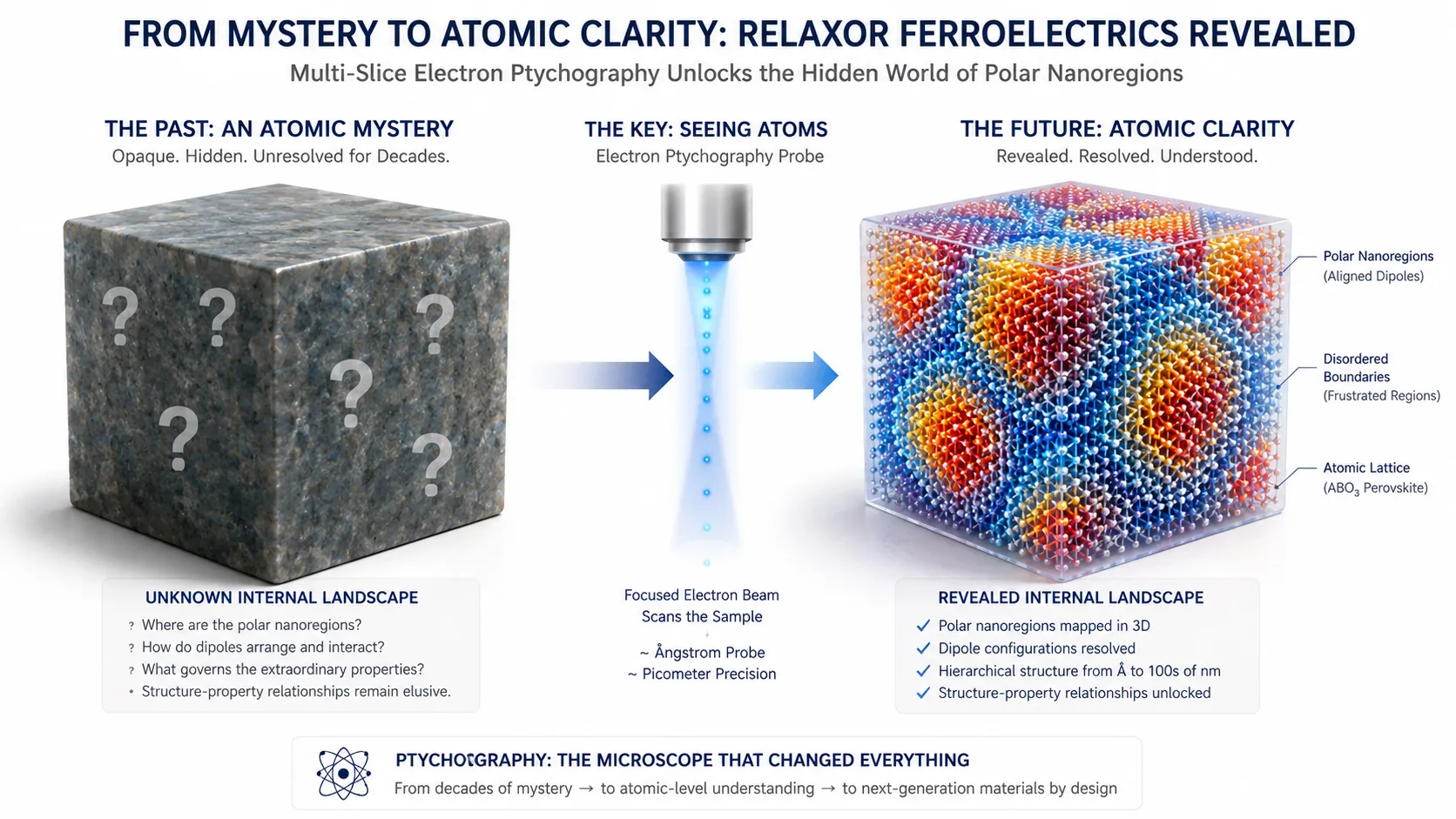
The Decades-Old Mystery Inside Your Ultrasound Machine—Solved by a 3D Atomic Map
TechMay 16, 2026

The Decades-Old Mystery Inside Your Ultrasound Machine—Solved by a 3D Atomic Map

For decades, a class of materials called relaxor ferroelectrics has powered technologies that touch nearly every human life. Ultrasound machines that image unborn children. Sonar systems that navigate submarines. Precision microphones that capture sound. Actuators that move with nanometer precision. These materials are everywhere, hidden inside devices that work so reliably that no one thinks to ask how.
The Hidden Gap That Could Break Moore's Law—And the Global Race to Close It
TechMay 16, 2026

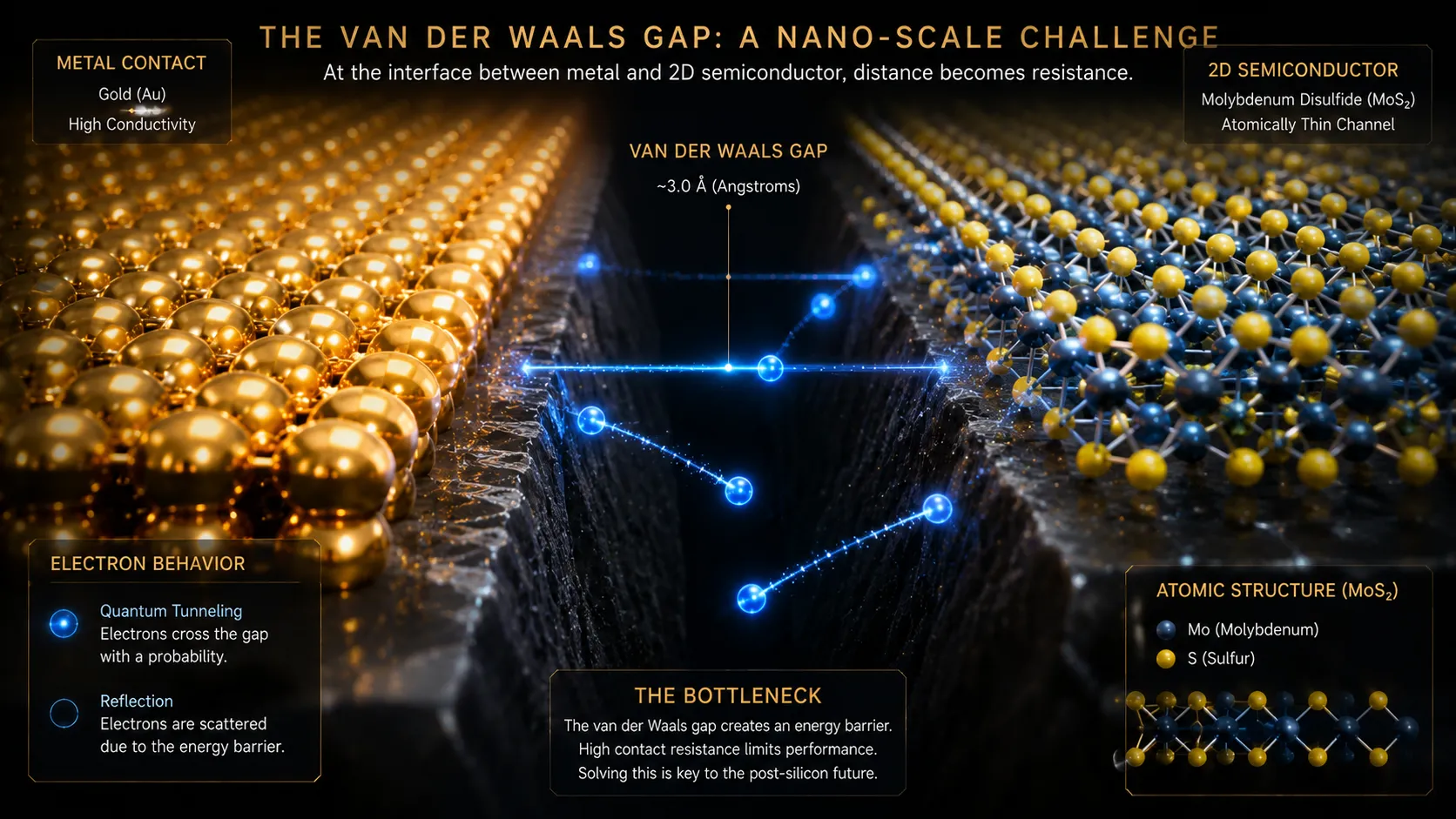
The Hidden Gap That Could Break Moore's Law—And the Global Race to Close It

For half a century, the semiconductor industry has been governed by a single, relentless principle: make the transistor smaller, and everything gets better. Smaller transistors switch faster, consume less power, and pack more densely onto a chip. Moore's Law, the observation that transistor density doubles roughly every two years, has been the drumbeat of progress, and the industry has marched to it with extraordinary discipline.

The Molten Salt Alchemy: How a 160x Conductivity Breakthrough Just Unleashed the Next Generation of Ultra-Thin Materials
TechMay 16, 2026

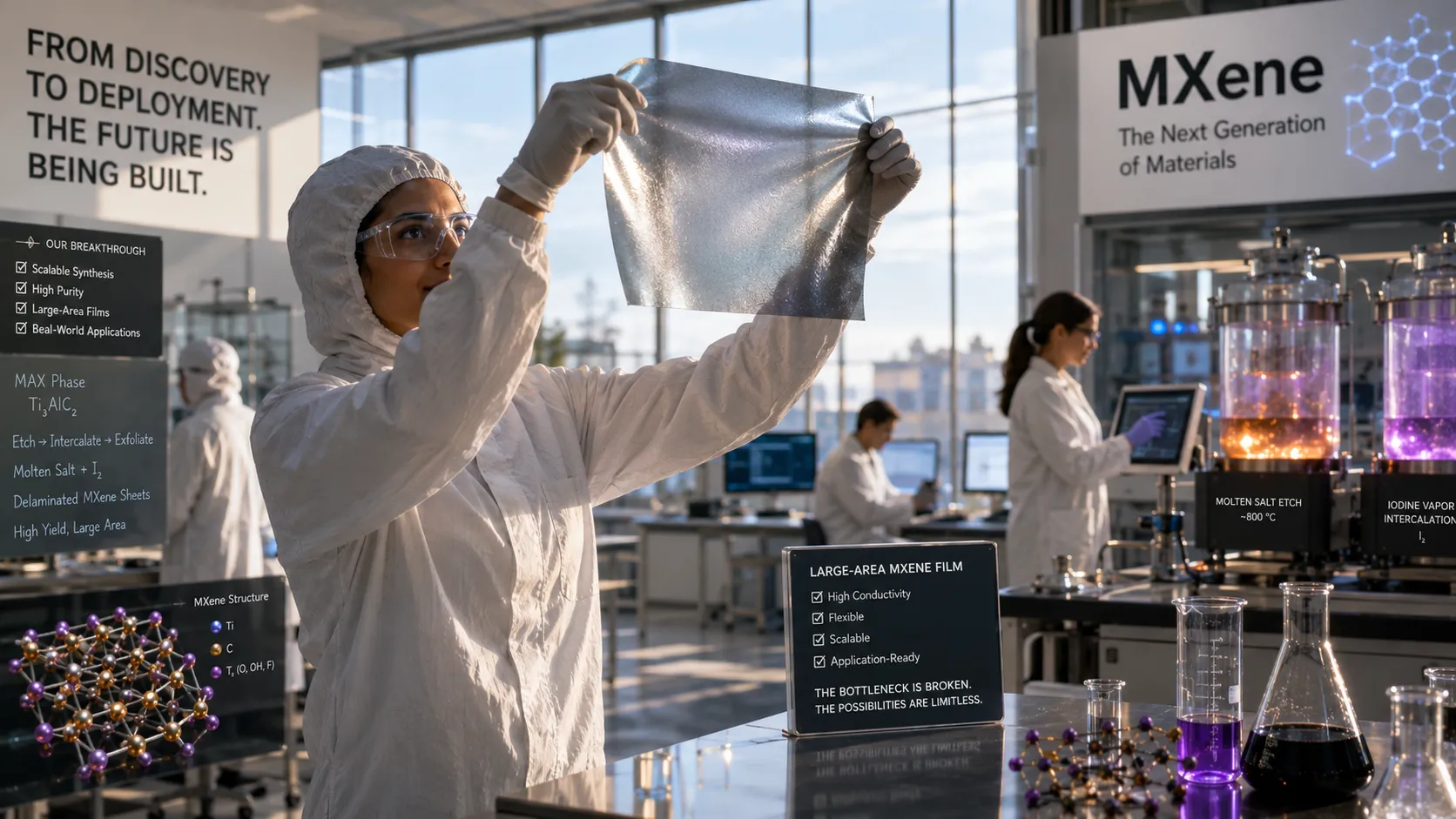
The Molten Salt Alchemy: How a 160x Conductivity Breakthrough Just Unleashed the Next Generation of Ultra-Thin Materials

In 2011, a team of materials scientists at Drexel University discovered a new family of ultra-thin materials that seemed almost too good to be true. Called MXenes, these atomically thin layers of transition metal carbides and nitrides promised extraordinary electrical conductivity, mechanical strength, and chemical versatility. They were touted as candidates for next-generation batteries, supercapacitors, electromagnetic shields, water purification membranes, and more. Papers proliferated. Patents were filed. Excitement built.

The $600 Billion Machine: Inside the AI Infrastructure Boom That's Reshaping the Global Economy—and Flirting With a Bust
TechMay 16, 2026

The $600 Billion Machine: Inside the AI Infrastructure Boom That's Reshaping the Global Economy—and Flirting With a Bust

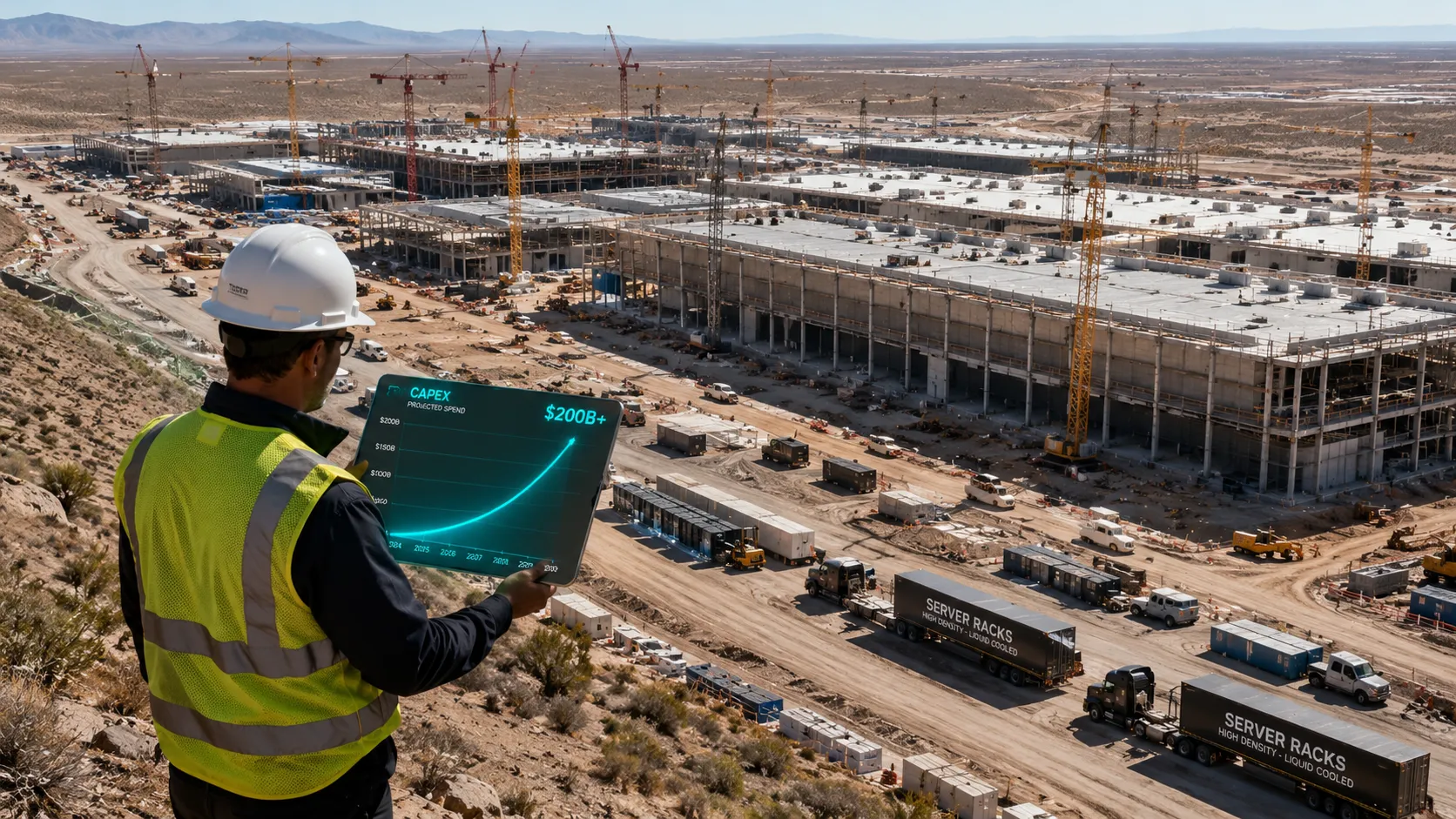
Some numbers are too large to feel. The human mind can grasp a hundred, a thousand, perhaps a million with effort. Beyond that, the figures blur into abstraction. So when the five largest technology companies on Earth—Amazon, Microsoft, Alphabet, Meta, and Oracle—announce that their combined capital expenditures will exceed $600 billion in 2026, a 36% increase over 2025, the number floats past comprehension. It is roughly the GDP of Sweden. It is more than the world spends on primary education. It is, by any historical measure, the largest concentrated infrastructure buildout in the history of private industry

The Photon, the Quantum Dot, and the 270-Meter Miracle That Just Brought the Quantum Internet One Giant Leap Closer
TechMay 16, 2026

The Photon, the Quantum Dot, and the 270-Meter Miracle That Just Brought the Quantum Internet One Giant Leap Closer

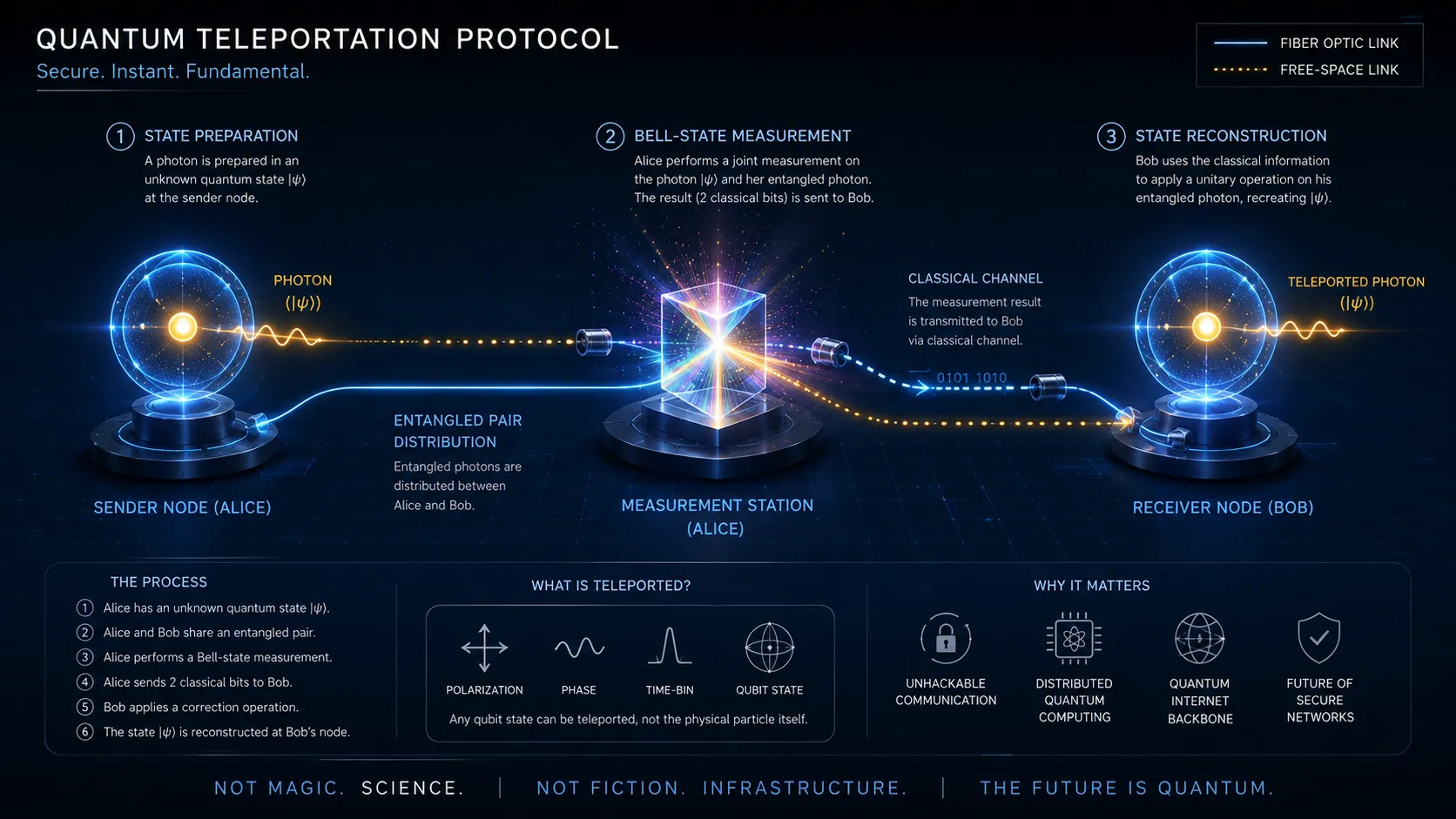
Two university buildings in Rome, separated by 270 meters of open air, a busy street, and the accumulated atmospheric chaos of an ancient city. In one building, a quantum dot—a semiconductor particle small enough to be governed by the strange laws of quantum mechanics—emitted a single photon. In the other building, a second quantum dot, physically different from the first, waited. What happened next, measured by instruments sensitive enough to detect the polarization state of a single particle of light, was something no one had ever done before: the quantum state of the first photon was teleported to the second, across the open-air gap, without either photon ever physically crossing the space between them.

The Invisible Shield: How a Berkeley Startup's Edible Coating Is Winning the War on Food Waste
StartupsMay 16, 2026

The Invisible Shield: How a Berkeley Startup's Edible Coating Is Winning the War on Food Waste

The world wastes roughly 1.3 billion tons of food every year. An estimated 13% of food is lost between harvest and retail. Another 19% is discarded by consumers. The total economic cost approaches $1 trillion. The environmental cost—in water, land, fertilizer, and carbon—is incalculable. And a significant share of this waste has a single, preventable cause: fresh produce does not stay fresh long enough.

Agnikul Cosmos and the Great Indian Space Race: Rockets on Startup Timelines
StartupsMay 16, 2026

Agnikul Cosmos and the Great Indian Space Race: Rockets on Startup Timelines

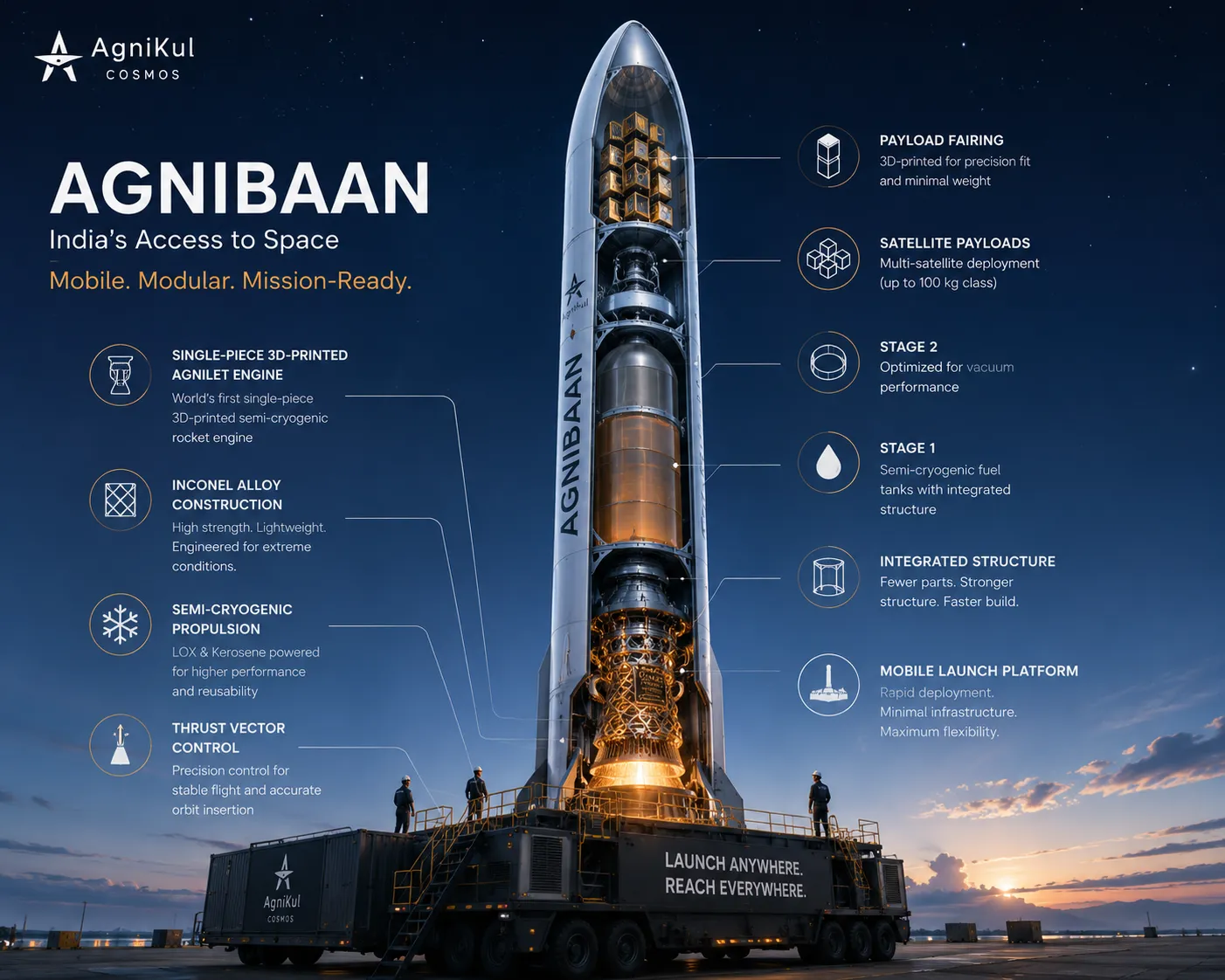
In May 2024, a rocket lifted off from India's Satish Dhawan Space Centre that did not look like any rocket India had launched before. It was 6.2 meters tall—small by orbital standards—and powered by a single-piece 3D-printed semi-cryogenic engine called the Agnilet. The launch was suborbital. The payload was symbolic. The significance was not. For the first time in history, a privately built Indian rocket had flown, and it had done so using an engine that was manufactured in a single piece rather than assembled from hundreds of components. The company was Agnikul Cosmos. The message to the global space industry was unambiguous: India's private space era had begun.

The Fintech That Thinks Monthly SIPs Are a Colonial Hangover—And Just Raised $12M to Prove It
StartupsMay 16, 2026

The Fintech That Thinks Monthly SIPs Are a Colonial Hangover—And Just Raised $12M to Prove It

There are approximately 300 million self-employed people in India. They run kirana shops, jewellery stores, automobile dealerships, tea stalls, and tailoring businesses. They earn money daily, in irregular pulses that swell during festivals and contract during monsoons. They are, by any measure, the productive backbone of the Indian economy. And the modern financial system, with its monthly SIPs, its fixed-deposit ladders, and its credit scores built around salaried income, was not designed for them. It was designed, in a sense, against them.

The Swedish Startup Making Home Energy as Simple as a Netflix Subscription
StartupsMay 16, 2026

The Swedish Startup Making Home Energy as Simple as a Netflix Subscription

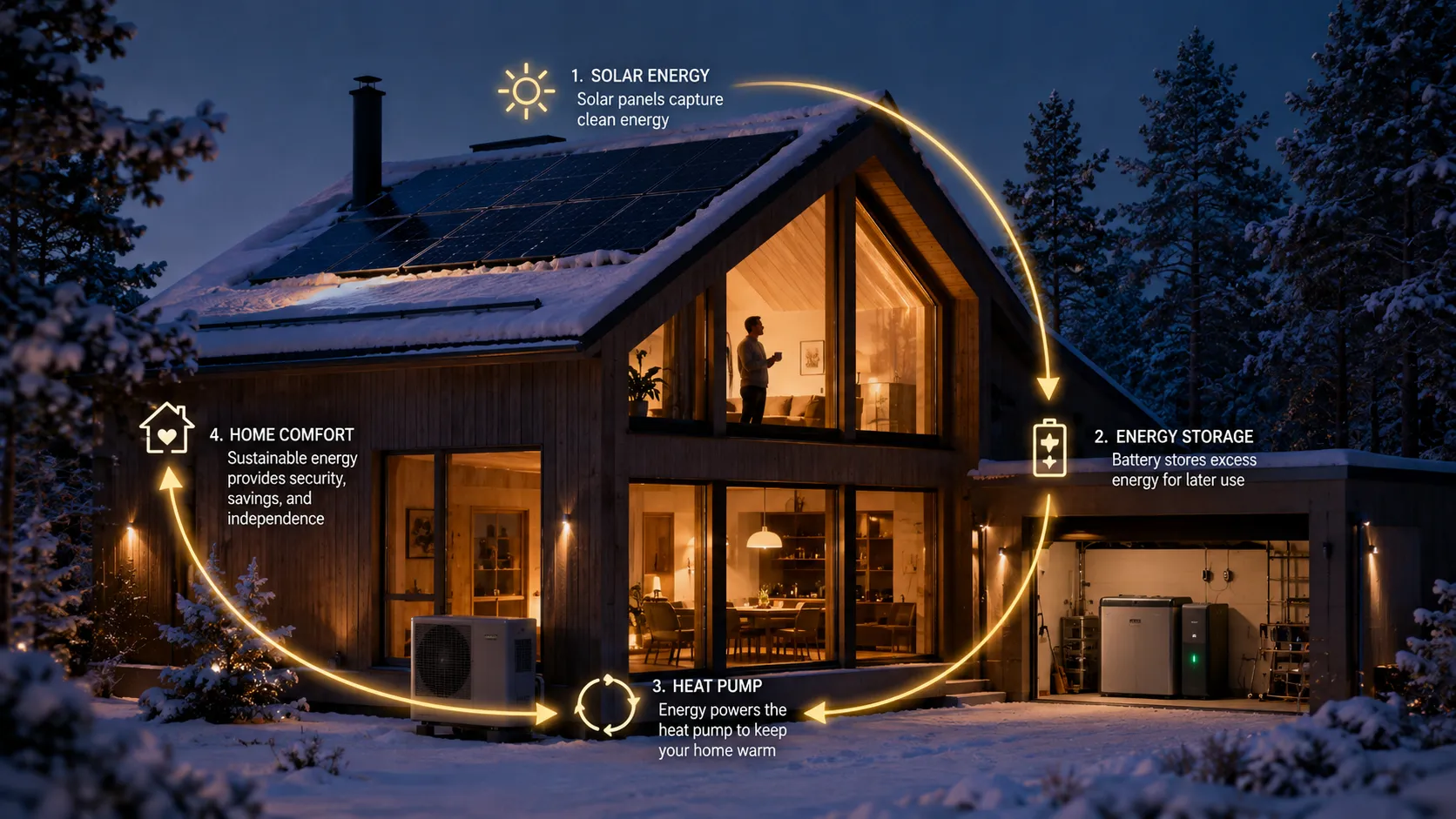
Sweden is facing an electricity crisis. The country's nuclear fleet, which once provided the backbone of its famously clean energy grid, is aging. New nuclear plants are over a decade away. Transmission bottlenecks between the hydro-rich north and the power-hungry south have turned what was once Europe's most stable electricity market into a source of anxiety for millions of households. In December 2025, a fierce storm knocked out power to tens of thousands of homes, some of which waited days for reconnection. The Swedish energy system, long a model of reliability, is showing cracks.

Load More Results